
01 November 2024
Lowering the Bar – Making compressed air cheaper
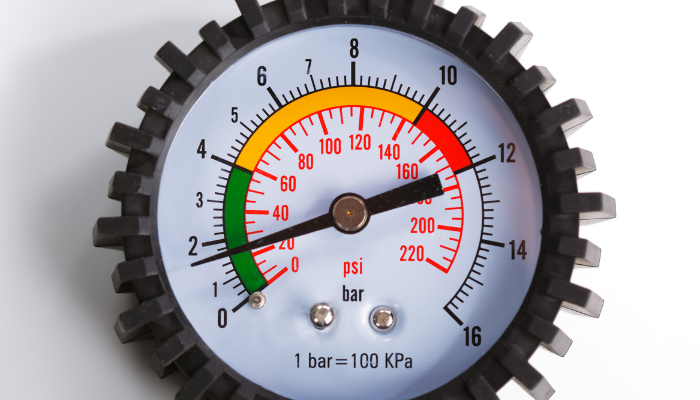
Kieran Keane discusses cost-saving tips for pig farms using compressed air, focusing on reducing compressor operating hours, minimizing leaks, lowering air pressure, utilizing heat recovery, selecting appropriate equipment, and maintaining compressors.
Most pig farms have at least one air compressor and most run 24 hours a day, 7 days a week, 52 weeks a year maintaining a constant pressure. Although important, the compressor is often forgotten about; that is until it stops. But while fresh air might be free, compressed air definitely isn’t. The cost of running an industrial compressor around the clock for the year is in the thousands of euros. Compressed air is also quite inefficient to produce. Ninety percent of the electrical energy used in a compressor is converted into heat, which we often waste or worse use more electricity to extract this heat from the compressor room. It’s estimated that 10% of all electrical use from industry is consumed by compressors. Here are some tips for saving energy and more importantly money when it comes to compressors.
Reduce running hours
Most farms compressors run around the clock but do they need to? If the compressor is operating a feed system which is off for a long period overnight then why not have the compressor on a timer and save some of the unloaded running costs. A compressor will typically use 25% as much energy unloaded as it will on full load so why not have it off as much as possible. Some feed systems can even be adapted to control the compressor and only have it running when needed.
Check for leaks
It is estimated that more than 20% of compressed air is lost through leaks. A 2mm hole in an airline could cost you over €1000 per year. Most farms will have hundreds of meters of airline circuits running all around the farm. A big air leak might be heard if the environment is quiet, but small leaks may not and a small leak could still be costing a few hundred euros per year. So it is definitely worth carrying out periodic leak detection checks – whether this be with an ultrasonic leak detector or just walking the route of the airline when rooms are empty. Alternatively you could install metering devices or gauges to check pressure at different points.
Reduce the pressure
As a general rule of thumb for every 1 bar of pressure reduction in a compressor’s configuration it reduces the running costs by 7%. It also reduces the impact of air leaks by 13%. If the compressor is set to its lowest required working pressure a lot of money can be saved. Often compressors are set at 10 bar and then the air is run through a pressure reducer at some point and brought down to say 6 bar for example – a lot of money can be saved here. A word of caution however- there will be a pressure drop over long lines so it’s worthwhile putting in a pressure gauge at the end of a line and checking that the pressure on the last valve is sufficient.
Heat recovery
As already stated it’s expensive to run a compressor and a lot of this expense is in turn converted into heat. A lot of the time this heat is left off into the atmosphere while we pay for more heat somewhere else to keep a canteen or office warm or to heat water for showers. So why not use the “waste heat” from the compressor? Heat recovery systems for compressors usually pay for themselves in a short period of time and can be simple to install.
Select the correct compressor
When buying a new compressor it’s important to note that the actual cost of the compressor itself is about 15-20% of the compressors lifetime cost – i.e. the running costs will be a multiple of the initial outlay. Therefore it is important that you choose the right compressor based on running costs. The wrong size compressor could cost you a lot in the long run through energy costs, maintenance or loss of production due to downtime. So before buying its worth checking the following:
- Pressure required
- Air flow needed
- Are there plans for future expansion?
- Is a drier needed?
- Can heat recovery be used?
- Would a variable speed drive be advisable?
Variable speed drive (VSD) compressors can save 35% of running costs. On a fixed speed compressor there is a set number of starts per hour regardless of air demand. A VSD compressor will ramp up and down and only run when air is needed. This would work well on farms as air demand is variable throughout the day.
Don’t forget maintenance
Regular preventative maintenance is the best way to avoid downtime, increase efficiency of the compressor and increase the lifespan of the compressor.