
23 April 2023
Maize or beet an option for tillage farms?
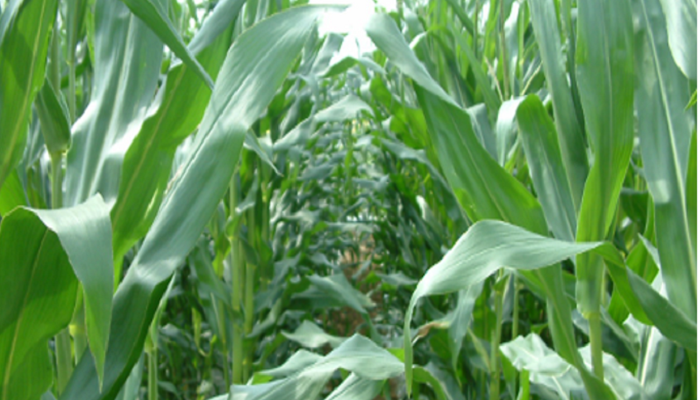
The establishment of many spring crops has been delayed by challenging weather conditions over recent weeks. And now that soil conditions have finally become workable, the spring planting options available to tillage farmers have become somewhat limited.
Addressing last week’s meeting of the Fertiliser Sub-group of the National Food and Fodder Security Committee (NFFSC) in Teagasc Oak Park, Teagasc Tillage Specialist Shay Phelan commented that late-sown crops of beans, oats and spring wheat tend to yield poorly due to their late-harvesting nature, thus limiting the spring cropping choices to just spring barley.
However, he noted, were appropriate agreements are in place between livestock and tillage farmers, the production of fodder crops such as fodder beet and maize may be an option for the 2023 season.
An extended indoor period on many livestock farms – both dairy and beef – has resulted in fodder reserves, particularly the overhang of fodder that some farmers carry from one winter into the next, being exhausted. This is particularly the case from farmers operating in the south and east who had to delve into their winter feed arsenal earlier than desired last autumn on account of drought.
With the grazing season getting back into full swing over recent days, the rebuilding of fodder stocks for next winter needs to become a priority. The creation of a 20% buffer of above normal winter feed requirements to insulate against future weather shocks, such as those experienced this spring or late last summer, should also be included.
Contract cropping may be one such option available to farmers to build fodder reserves for the winter ahead. Such arrangements have largely worked well between tillage and livestock farmers in the south and east over recent years, creating an alternative cropping option for tillage farmers and bank of fodder for livestock producers.
Contract cropping is an arrangement where a tillage farmer enters into a contract with a livestock farmer to grow a forage crop such as maize or fodder beet. Tillage farmers have the expertise and in many cases the machinery to grow high quality forage crops. This type of arrangement enables livestock farmers to focus on their grass-based systems, while having the benefits of a high quality forage crop as part of their annual feed budget.
The specimen agreement, available on the Teagasc website, has been prepared with maize and fodder beet in mind and identifies the key areas for discussion between the grower and the purchaser. Farmers are advised to seek the advice of their agricultural advisor to help them complete the terms of their bespoke agreement. The agreement identifies key areas including: the farmers involved; a three stage payment structure; the lands involved; and the details of the crop that is grown.
Tillage farmers considering entering into such a cropping arrangement in 2023 need to be fully aware of the costs, inputs, margins obtainable and agronomy associated with producing a fodder crop on contract. The Crops Costs and Returns 2023 is available here, which provides an indicative guide to crop margins. However, land suitability, rotation, risk avoidance and husbandry skills must also be considered before entering into such an arrangement.
For livestock farmers, it is highly recommended that a forward fodder budget is completed to establish their winter feed requirements in advance of entering into a contract cropping arrangement. The completion of this fodder budget now will identify any deficits on the farm, thus allowing the livestock farmer to meet his/her fodder needs through a secure contract agreement with a tillage farm.
Also read: Using slurry to reduce the cost of growing cereal crops