
Making improvements to silage quality on organic farms
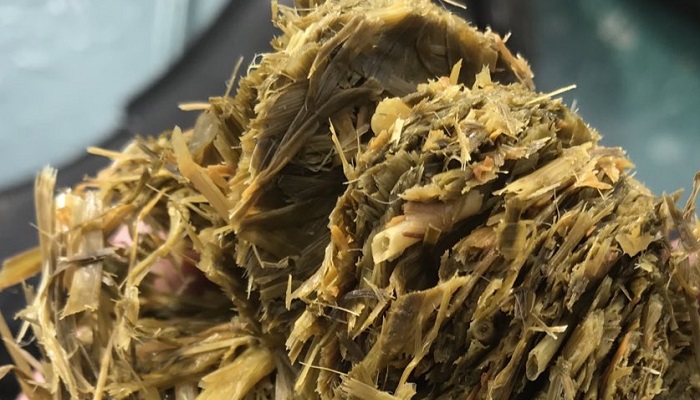
With the spring finally breaking through, thoughts on winter feeding are moving further from farmers’ minds. However, the decisions you make on your farm over the coming months will have an impact on how your animals perform next winter.
The silage quantity versus quality debate is an annual occurrence on many farms. Grass silage is the most common preserved forage used on Irish organic farms over the winter months, so developing a strategy that delivers is critical.
As part of the Teagasc Growing Organics Programme, the Teagasc Organic Advisory team has recently completed an in-depth national analysis of silage quality on organic farms, identifying significant differences between top-quality silage and lower-performing forage. The results highlight the critical impact silage quality can have on animal performance, liveweight gain, and overall farm profitability within organic livestock systems.
To bring these findings to farm level and to help organic farmers improve the quality of silage they produce, Teagasc will host a series of six organic farm walks in late March and early April. These events will demonstrate the practical animal performance and financial consequences of poorer-quality silage, using real on-farm examples to illustrate the true cost of sub-optimal forage. Other topics, including agroforestry, liming and soil fertility may also be covered at these walks.
For further details and to find information on the events nearest to your farm, visit here.
For those that cannot make the farm walks, a webinar will also be held on April 1st at 7.30pm to go through in details the results of the trial. Join the Teagasc Organics team and guest speakers online for an episode of Let’s Talk Organics which will focus on making quality grass silage on organic farms.
Further details of the Let’s Talk Organics webinar are available here.