
Managing grass during the mid-season
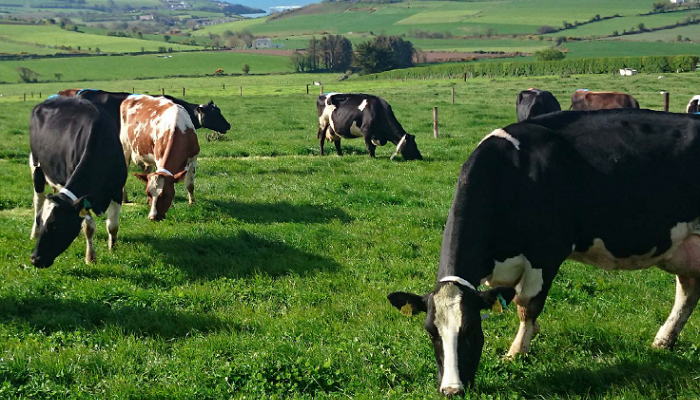
Sarah Cussen, KT Masters Student, Teagasc Portlaoise, shares some importance considerations for managing grass during the mid-season period.
Mid‑season represents the period of peak grass growth on Irish farms. Teagasc data consistently shows that growth rates during the summer months can exceed 70–90 kg DM/ha/day, creating both an opportunity and a management challenge.
Over 50% of the farm’s grass dry matter is produced during the mid-season period. The objective is to maintain high‑quality leafy swards, match supply with herd demand and prevent the accumulation of stem that reduces animal performance. Effective mid‑season management therefore requires a combination of grazing control, fertiliser strategy, and timely removal of surplus grass.
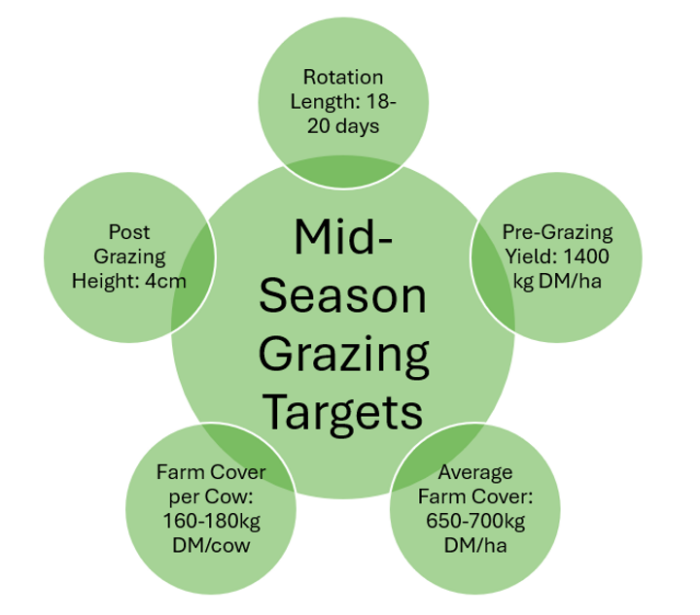
Figure 1: Key mid-season grazing targets for Irish dairy farms
Maintaining pre‑grazing covers
Teagasc recommends maintaining pre‑grazing covers of 1,300–1,500 kg DM/ha during mid‑season to ensure animals graze a leafy sward at the 2.5–3 leaf stage, which maximises digestibility and supports high intake.
June is the main heading phase for perennial ryegrass, so good grazing management is vital to minimise stem content. Where covers become heavy, stem content increases which reduces digestibility and therefore impacts milk performance. Heavier covers also make it difficult for the cows to achieve ideal residuals of 4cm.
High growth rates mean grass availability changes rapidly. Maintaining these targets requires grass measurement every 5 to 7 days to inform grazing decisions.
Remove surplus grass
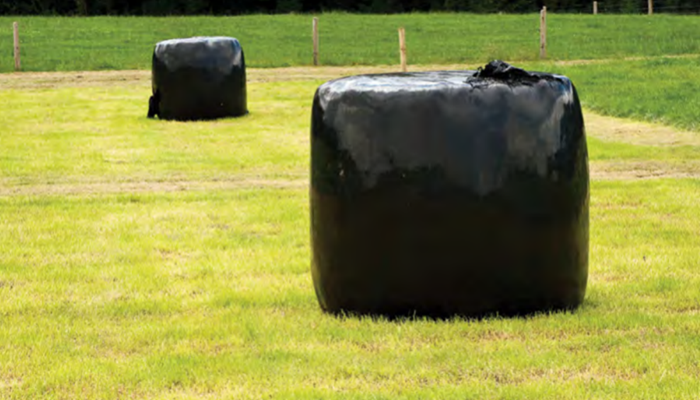
Surplus grass is inevitable during strong growth periods. Once pre-grazing yields exceed target levels, paddocks should be removed promptly for high‑quality silage. This practice helps to maintain target pre-grazing yields across the platform and provides a valuable feed source that can be used in periods of drought or as winter feed.
Fertiliser Strategy
Teagasc mid‑season guidelines emphasise maintaining nitrogen supply to support regrowth.
- Follow N applications after each grazing, preferably using protected urea.
- Target a Sulphur application of 15-20 units/acre by early July. Sulphur is an important nutrient to improve N efficiency and N fixation ability of clover plants.
- Clover paddocks: Mid‑season is the period when clover begins to contribute significantly to N fixation, improving both feed quality and animal performance. To maximise the benefits of clover, farms can reduce chemical nitrogen application if clover content is sufficient. Using the Teagasc Clover Scorecard (PDF) following guide, assess sward clover content and reduce nitrogen applications accordingly.
Monitoring milk protein
Milk protein percentage is a key indicator of grassland management during the mid-season. With correct management, protein percentage should be increasing over the summer months to indicate cows are achieving sufficient energy intakes.
Sarah Cussen is a KT Masters Student based in the Teagasc Laois/Kildare/Offaly advisory region.