
Managing grazing through 2026: Do the basics right
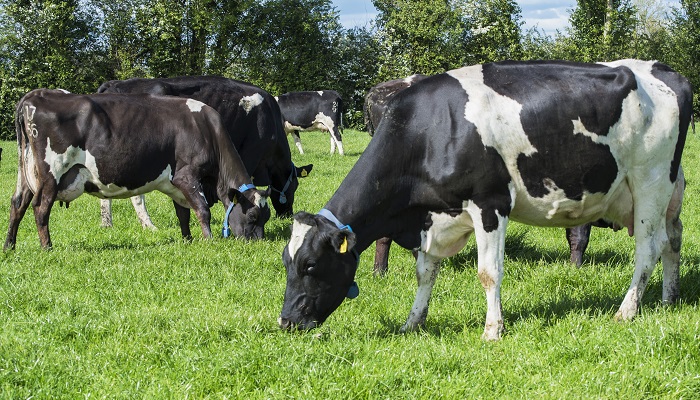
Facing a low milk price year and rising farm input costs, focusing and executing the basics of grassland management will be an essential strategy for dairy farmers in 2026, especially as herds move into mid-season grazing.
That was a key reminder issued by Professor Michael O’Donovan, Head of Grassland Science, and Dr. Joe Patton, Head of Dairy Knowledge Transfer, when joining Teagasc Dairy Specialist, James Dunne on a recent episode of the Dairy Edge podcast.
“Grazing management rules, supplementation rules, the fertiliser plan and the grassland management plan are the things that should not change too much based on milk price and costs. They might be the things that save us this year,” Dr. Patton reminded farmers.
Regardless of the milk price, Professor O’Donovan highlighted the importance of being consistent with grazing management.
“The more consistent you are at grass, the more consistent your milk production will be. The best grassland managers will show you that. The key thing is that farm cover is well monitored and the pre-grazing yield being offered to the cows is consistent. If they are inconsistent, intake is reduced, milk production is reduced and milk protein is reduced,” Professor O’Donovan commented.
Essentials in this regard are entering paddocks at the correct pre-grazing covers (1,400-1,500kg DM/ha), removing surpluses – when they occur – early, grazing to 4cm and feeding cows to their intake potential.
“Going into higher pre-grazing covers in mid-season means you are losing yield, solids, protein and you are losing grass intake.”
Stressing the importance of maintaining a focus on grassland management, Dr. Patton reaffirmed that the most profitable farms tend to remain the most profitable in high or low milk price years.
“Over high or low milk price years, we do not tend to see that much re-ranking of farms. Farms that have a good level of pasture production and utilisation, are sensible about concentrate supplementation and have a good-quality cow in place, do not tend to change their system or management practices based on milk price,” he added.
“It’s been a tough year in terms of the economics of milk price, but if there is one thing that is going to save you, don’t change too much, get the right targets in place on grazing management and stick to them,” Dr. Patton added.
Adding to this, Professor O’Donovan said: “People need to focus on residuals now, milk protein and the consistency of what they have in front of the cows.”
For full insights, listen to the full episode of the Dairy Edge podcast below: