
Managing reduced grass growth on dairy farms
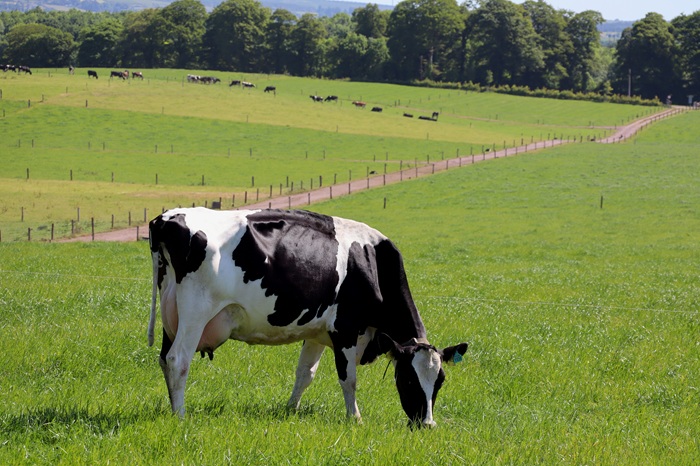
Soil moisture availability is limited across much of the South and South‑East and there is little to no rain forecast in the coming days across the country. Several farms are experiencing below average growth rates, and MoSt grass growth predictions are reducing across most of the country. Dr Caitlin Looney, Teagasc Moorepark, tells us more.
Now is the time to walk the farm, assess individual paddock growth rates and act when grass growth is reducing on farm.
Things to consider
- Grass DM is 20% + across the country, don’t underestimate feed available
- Maximise grass utilisation to cows by using a strip wire (12-hour breaks)
- Decisions need to be farm and paddock specific
- Hold rotation length at 25 days
- Ensure stock have constant access to water and install extra troughs where needed
- In this weather cows can drink more than 100L/cow/day
- Do not spread fertiliser on paddocks with growth below 35 kg DM/ha
Reduce demand on farm
- Sell surplus animals (empties, culls, low yielders)
- Selling 10 cows out of 100 can save about 180 kg grass/day or effectively give ~2 kg extra DM/day per retained cow on a 90-cow herd
- Remove young stock from the milking platform
- Put calves/heifers onto out‑farms or silage ground
- Bring silage ground back into grazing to increase grazing area where possible
- Buffer feeding – feed concentrates and good‑quality bales to reduce grazing demand and stretch grass
- Implement strip wire to avoid leaving grass behind
- Example feed mix: if 6 kg feed is needed, use 4 kg meal + 2 kg high‑quality round bale as a good balance
- Zero‑grazing is an option for some systems
If growth falls further after 7–10 days consider grazing off remaining covers to reset sward quality for when rain returns
Fertiliser and slurry guidance
During reduced growth is important to match nitrogen applied to growth rates. Do not spread N on paddocks that will not respond – brown base, old swards or paddocks with growth <35 kg DM/ha. On paddocks with over 50 kg DM/ha growth it is important to target the best paddocks for any N application – reseeds from last 3 years, paddocks with optimum soil fertility and heavier ground show best response.
If applying watery slurry to paddocks growing 50 kg DM/ha it is best to target in the evening where possible, it gives a better growth response in dry spells.
Water and infrastructure
Cows water requirements per day increase in warm weather. It is important to ensure every grazing group has quick, easy access to troughs; add temporary troughs in long paddocks or collecting yards if needed. Check water lines, valves and float systems now; clean troughs and ensure flow rates are adequate. During warm spells check water more than once daily and provide shade/shelter if possible.
Tools and support
Utilise PastureBase Ireland to record grass walks, look at herd demand and use the predicted wedge to help with decision making on farm.
If you need bespoke support, contact your local Teagasc advisor.