
Maximising weaning weights: small details deliver results
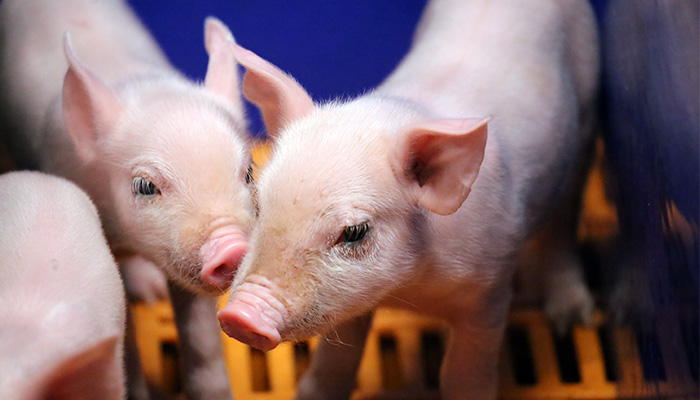
The farrowing house is the foundation of pig performance, health, and farm profitability. Louise Clarke, Teagasc Pig Specialist, outlines practical recommendations for effective farrowing house management.
Start with clear targets
Every farm should establish realistic goals for the farrowing house.
Key targets include:
- Rearing at least 11 piglets per sow.
- Maintaining pre-weaning mortality at or below 11%, in line with current Irish performance figures.
- Weaning sows without excessive body condition loss so they can return to service efficiently.
Newborn piglets are particularly vulnerable. Create a warm, dry and draught-free environment immediately after birth. Provide shredded paper or bedding to reduce draughts beneath the slats, use heat lamps during farrowing and ensure heat pads and creep areas are functioning correctly. Observe piglets for signs of discomfort. Comfortable piglets will rest quietly together.
Ensure newborns receive adequate colostrum
Colostrum provides piglets with the antibodies needed to protect them during the first weeks of life. However, their ability to absorb these antibodies declines rapidly after birth. Ensure piglets suckle as soon as possible after birth. A calm, comfortable sow is central to achieving this. Correct crate size, minimising stress and appropriate pain relief after farrowing all encourage the sow to lie comfortably, nurse frequently and achieve good milk let-down.
Give extra attention to weaker piglets by helping them locate a teat or provide supplemental colostrum where necessary. Split suckling can also improve colostrum intake.
Cross-fostering is a valuable tool but should be carried out carefully. Where possible, do not move piglets during the first 12hrs to allow them a chance to receive colostrum from their dam. Ideally, foster piglets within the first 24hrs to minimise disruption and disease transmission, and only cross foster once and keep track of fostered pigs with a tag to avoid repeated fostering. The number of piglets should never exceed the number of functional teats available on the sow. Match litter size to teat number rather than piglet weight, as competition for teats can reduce milk intake throughout lactation.
Where litter sizes exceed sow milk supply, supplementary milk can provide valuable additional nutrients if provided fresh, prepared correctly and with strict hygiene. Equipment should be cleaned thoroughly and mixing instructions followed carefully. Creep feed should be introduced from 7–10 days of age in small, fresh amounts to encourage gut development and ease weaning. Placing feeders near the sow’s head can increase creep feed intake by encouraging piglets to feed alongside her. Excellent piglet performance depends on excellent sow performance. High feed intake during lactation drives milk production and ultimately weaning weight. Daily feed intake targets are approximately:
- 6.7 kg/day for gilts
- 7.4 kg/day for sows
Monitor actual feed intake rather than relying solely on feed curves, particularly where wet feeding systems are used. If intakes are below target, factors such as body condition, gilt management, feed-to-water ratio and farrowing room temperature should all be investigated.
Weaning age has a major influence on weaning weight
Piglets typically gain 250–300 g/day during lactation, meaning every additional day with the sow contributes significantly to final weaning weight. While weaning age varies between farms depending on facilities and management, aiming for around 30 days of age can help achieve weaning weights of 7.5–8.0 kg, producing stronger pigs that cope better with post-weaning challenges.
Weaning is one of the most stressful events in a pig’s life
Some farms are now allowing neighbouring litters to mix in the farrowing room before weaning. This early socialisation reduces fighting after weaning and can improve creep feed intake and growth. Elsewhere in Europe, systems are also being developed where piglets remain in the farrowing pen after weaning while the sow is removed, reducing environmental change and easing the transition onto solid feed.
Good biosecurity is essential for protecting both sows and piglets
- Operate all-in/all-out management.
- Clean, disinfect, and dry thoroughly between batches
- Wear gloves when handling piglets.
- Use dedicated equipment for each room.
- Manage foot dips correctly by removing dirt before disinfecting.
- Maintain buildings by repairing cracks, leaks and damaged pen divisions.
Most producers are already carrying out many of the above management practices. The challenge is ensuring they are performed consistently and correctly every day by everyone working in the farrowing house.