
Plan backwards: Fodder budget first, mower second
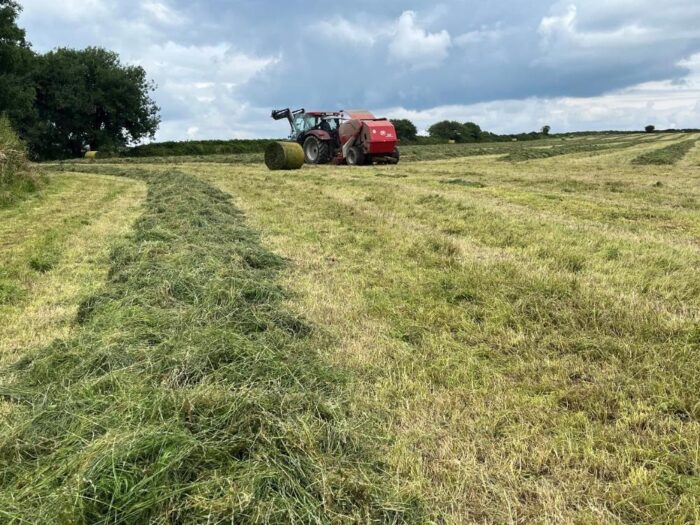
The temptation, especially after a long winter, is to ‘bulk up’ the first cut and feel reassured by a big pit or a yard full of bales. However, Teagasc Advisor, John Galvin reminds farmers of the importance of matching silage quality to the stock on farm.
After a winter that seemed to drag on and a spring that never quite settled, many farms only stopped feeding bales a few weeks ago. Yet we’re already back at the most important harvest on Irish drystock farms: first‑cut silage. Grass silage typically accounts for a quarter to a third of total feed on these farms, so the decisions made now will directly influence animal performance and feed costs next winter.
The temptation, especially after a long winter, is to ‘bulk up’ the first cut and feel reassured by a big pit or a yard full of bales. But quality, not bulk, drives output. That quality is largely determined by dry matter digestibility (DMD), which governs energy value and, critically, intake. National average silage DMD remains in the mid‑60s, which is only suitable as a maintenance feed for dry suckler cows in good condition. Growing and finishing cattle require silage in the low‑ to mid‑70s DMD to perform properly without excessive concentrate input.
Matching quality to stock
Too often, silage becomes a focus only in the week before cutting or after the pit is opened. At that stage, it’s too late to influence quality. The real gains come from planning, specifically completing a fodder budget and matching quality to stock type.
For example, a farm wintering 25 suckler cows, 25 weanlings and 25 finishers over five months might aim to produce a block of high DMD silage for younger stock, with more moderate silage for dry cows. This aligns well with production targets: cows will perform adequately on mid 60s DMD, but growing stock require higher quality feed.
The key is to set a target cutting date and work backwards.
Timing
Grass growth stage at cutting is the biggest driver of silage quality. Once seed heads emerge, DMD is typically around 70% and can drop by one point every two to three days thereafter. In practical terms, a delay of two weeks can turn excellent silage into average feed.
Teagasc Grange work highlights the trade‑off clearly delaying the cut increases yield but reduces intake and liveweight gain over the winter.
Table 1: Effect of first‑cut date on silage feeding value (Teagasc Grange)
| DMD (%) | 75 | 70 | 65 | 60 |
| Harvest date | 20-May | 02-Jun | 15-Jun | 28-Jun |
| Silage yield (t DM/ha) | 4.8 | 6 | 7 | 7.7 |
| Intake (kg DM/day) | 9 | 8.3 | 7.6 | 7 |
| Liveweight gain (kg/day) | 0.83 | 0.66 | 0.49 | 0.31 |
Earlier silage is leafier silage, and leafy grass is what stock convert efficiently. Higher DMD silage delivers winter performance and reduces concentrate feeding.
Second cut starts as soon as the first leaves
Once first cut is harvested, attention should immediately turn to second cut. On many farms, this is key to rebuilding depleted reserves after a long winter.
Second‑cut crops are typically lighter than first cut, so nutrient management is critical. Slurry should be applied as soon as possible, ideally 2,000 to 2,500 gallons per acre, providing a valuable source of nitrogen, phosphorus and potassium. This should be followed by a targeted nitrogen application based on expected yield, generally 1 bag of ProUrea should suffice.
Sulphur is often overlooked but is increasingly important, particularly in higher rainfall areas. Applying 16 units per acre per cut improves nitrogen efficiency and supports grass protein production.
A final word: silage time is high‑risk time
Silage season brings long days, pressure to make weather windows and extensive machinery use. It is one of the highest risk periods on farms. Planning is critical. Keep yard layouts simple, manage traffic flow carefully, and minimise the number of people in active work areas. Children and vulnerable individuals should be kept well clear at all times.
No crop is worth taking risks. A safe harvest is a successful harvest.