
Missing daily liveweight gain targets could cost beef finishers
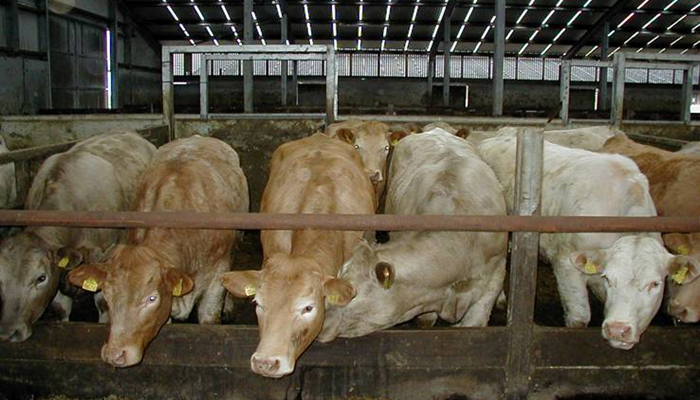
Achieving target daily liveweight gains is critical to the profitability of beef finishing systems, according to Teagasc Cattle Specialist, David Argue.
Joining Teagasc Beef Edge podcast host Catherine Egan on a recent episode of the weekly podcast to coincide with the release of the Teagasc Beef Budgets 2026, David Argue stressed the importance of regularly weighing cattle to ensure they are achieving the daily liveweight gain targets.
The Teagasc Beef Budgets, he explained, are based on cattle achieving specific levels of daily liveweight gain, and that falling short of these targets can significantly increase costs.
“It’s one of the most important things. If we are not achieving these target daily liveweight gains, we are putting a huge cost against the whole system,” he said, as reduced daily liveweight gains can delay the entire finishing system.
“If we have a plan to get cattle in in October and out in February, and then another batch in in February and out in May or June, if we are not achieving these daily liveweight gains, we are delaying the whole system.”
As to the ramifications, he continued: “We are putting more cost against it in terms of silage, meal and even potentially losing out in terms of a higher beef price if beef prices are on a downward trend and cattle aren’t fit to kill.”
David Argue outlined the daily liveweight gain targets for different categories of cattle, noting that these have remained relatively unchanged through previous versions of the Teagasc Beef Budgets. For weanlings housed indoors, the target is 0.6kg/head/day, while cattle returning to grass should gain between 0.9kg and 1kg/day. For finishing cattle, the targets vary depending on the type of animal. Continental steers should achieve 1.3kg/day, while continental heifers have a target of 1.2kg/day. The targets for dairy-beef steers and heifers are 1.2kg/day and 1.0kg/day, respectively, while young bulls should achieve between 1.5kg and 1.6kg/day.
“The key thing is to make sure we are weighing our cattle, and they are achieving those targets,” the Teagasc Cattle Specialist said.
Highlighting the financial implications of failing to meet these targets, Argue outlined the impact of a 0.4kg/day reduction in liveweight gain over a 100-day finishing period.
For continental bullocks, this reduction would result in animals being 40kg lighter at the end of the feeding period. This equates to a loss of approximately 22-23kg in carcass weight, which, at current beef prices, this reduced performance could potentially cost farmers €150/head over a 100-day finishing period.
“Putting today’s money on it, that’s €150 behind where you need to be with those cattle because of not achieving those daily liveweight gains,” he said.
For more, listen to the full episode of the Beef Edge podcast below:
Teagasc Beef Budgets
Every autumn Teagasc produces a set of financial budgets as a guide to beef farmers who are buying cattle for finishing over the following 18 months. Each budget calculates a breakeven selling price (cents/kg carcase weight) for the particular system and takes account of the purchase price and all the associated variable and fixed costs incurred.