
21 January 2024
Monitor ewe body condition score
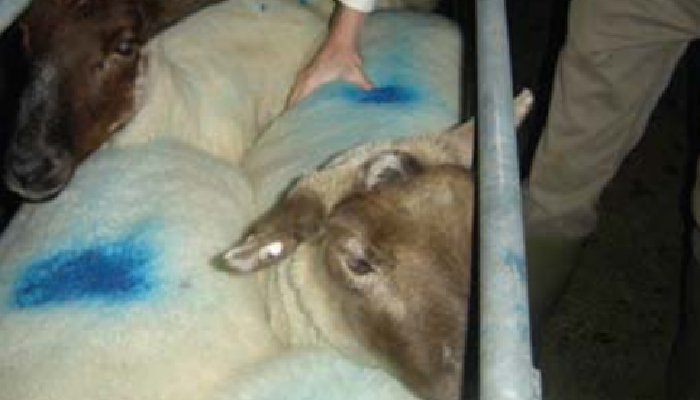
Despite relatively good grass growth last year, ewe body condition score (BCS) is back in many flocks. Maintaining ewe BCS mid pregnancy is essential for ewes that are in sub-optimal BCS at mating time.
We have seen some flocks where 30-40% of the ewes are in sub-optimal BCS. This will lead to problems at lambing and poor lamb performance in 2024.
Problems of poor BCS
Ewes that lamb in poor BCS have lower milk yield and poorer lambing outcomes regardless of the quality of nutrition during late pregnancy / early lactation.
Steps to take with ewes in poor BCS are:
- Ensure ewes have adequate forage to maintain or gain BCS in mid pregnancy;
- Ewes outdoors will need supplementation once grass supplies run out – supplement with good quality forage plus or minus concentrate;
- Where forage quality is poor, consider supplementing ewes in poor BCS with 300-500g per head per day (will cost €5-8 per head);
- And, housing ewes and feeding them indoors will result in better performance during periods of adverse weather but will incur extra bedding costs.
Organic farms
On organic sheep farms where concentrate inputs are reduced due to higher costs, extra vigilance is required to identify and preferentially feed thin ewes in mid pregnancy. Feeding straight cereals such as oats or barley to ewes in BCS <2.75 in mid pregnancy should be considered to prevent the need for much higher levels of more expensive concentrates in late pregnancy and early lactation.
This article, by Michael Gottstein, Head of Sheep Knowledge Transfer at Teagasc, first appeared in the Teagasc Sheep Advisory Newsletter for January. To access the full publication, which includes advice on grassland management and liver fluke control, click here.
Also read: Pregnancy scanning and using the results
Also read: A preview of the National Sheep Conference