
New factsheet on heifer synchronisation programmes
08 May 2025 New factsheet on heifer synchronisation programmes The Teagasc Future Beef Programme has published a new factsheet, offering suckler farmers essential tips and advice on implementing effective heifer synchronisation programmes. Detailing two recommended synchronisation programmes, one based on a progesterone device and the other using prostaglandin treatments, the Synchronisation Protocol for Heifers […]
08 May 2025
New factsheet on heifer synchronisation programmes
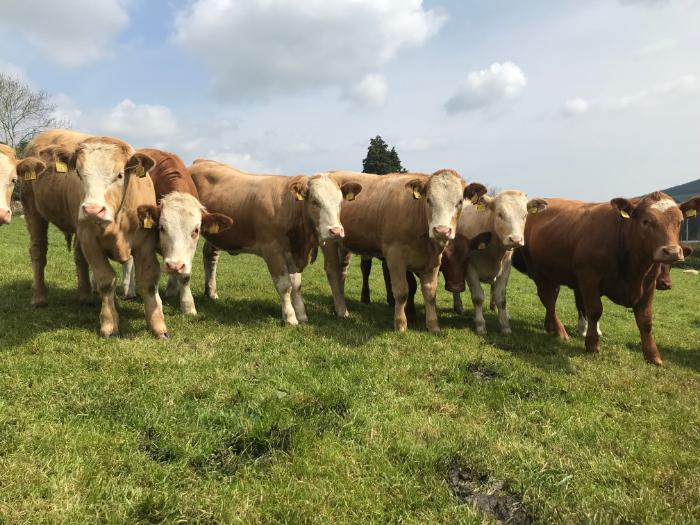
The Teagasc Future Beef Programme has published a new factsheet, offering suckler farmers essential tips and advice on implementing effective heifer synchronisation programmes.
Detailing two recommended synchronisation programmes, one based on a progesterone device and the other using prostaglandin treatments, the Synchronisation Protocol for Heifers factsheet details key considerations for timing of treatments, heat detection, heifer target weights and sire selection when following an observed heat or fixed time AI programme.
Commenting on the publication of the factsheet, Manager of the Future Beef Programme, Martina Harrington said: “The use of synchronisation programmes within the suckler herd, especially for heifers, provide farmers with many opportunities.
“When successfully implemented, synchronisation allows farmers to shorten the breeding season for heifers. It also facilitates earlier calving of the heifer next spring, a practice that greatly improves their chances of being retained within the herd. This comes as early calved heifers will have more time to recover post calving next spring.”
With many farmers retaining their own replacements, the use of a synchronisation programme can also facilitate the greater use of AI within the suckler herd, allowing the targeting of sires with high reliability for calving ease for use of heifers.
“Care is needed when picking a suitable sire for heifers and only well proven sires with low calving difficulty percentages (7% or less, heifer calving difficulty and >80% reliability) should be considered,” Martina Harrington explained, adding: “Although easy calving stock bulls are available, AI sires tend to have higher reliability for calving ease, especially when we consider that some may have thousands of calves born on Irish farms already. Synchronisation is one avenue to facilitate the use of AI within the suckler herd.”
Although there is a cost associated with following these synchronisation programmes, Martina Harrington added: “The tips and advice shared in the Future Beef Synchronisation Protocol for Heifers Using Observed Heat or Fixed AI Factsheet are backed by research at Teagasc Grange and when implemented at farm level can greatly improve reproductive performance and calving compactness.”