
No permit, no future? Lessons from Flanders and the Netherlands
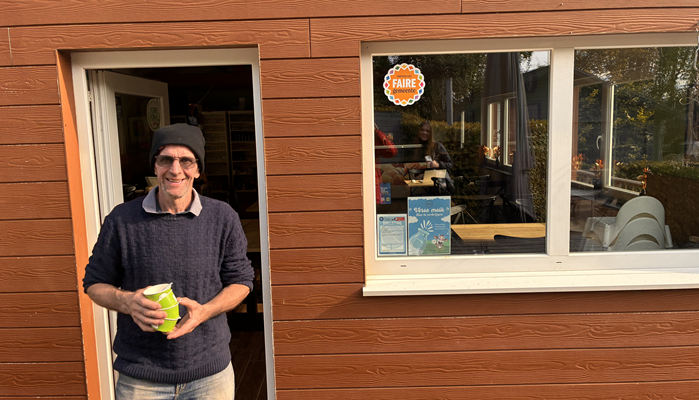
A recent visit to Flanders, Belgium, brought Barry Caslin, Teagasc Energy and Rural Development Specialist, to a farm where a thriving family business faces an uncertain future-not because of its customers, but because of its permit.
On the banks of the canal at Groenendijk, close to Sint-Gillis-Waas around 25 kilometres west of Antwerp, Dairy Farm De Boey looks like the kind of farm that rural development policies are designed to support.
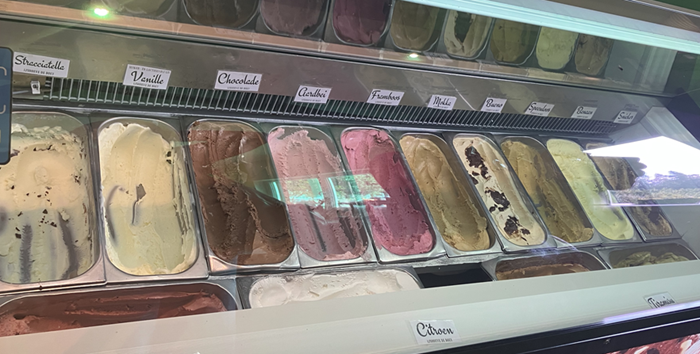
The farm is surrounded by poplar-lined dikes, old fishermen’s cottages and a landscape shaped by agriculture, water and nature. The buildings are well maintained, and the business has developed far beyond the sale of raw milk. The De Boey family milks Jersey cows, processes its own milk into ice cream and welcomes visitors to the farm for pancakes, waffles, milk desserts and tours.
Yet behind the attractive farmyard and successful local food business is a serious problem. The farm’s current operating permission is due to expire at the end of November 2026. Unless a new or extended permission is secured, the family faces the possibility of having to operate without the long-term certainty needed to run the business, invest in the buildings or plan for the next generation.
That is what makes Dairy Farm De Boey such a powerful example of the situation facing farmers across Flanders. This is not a farm that has ignored its surroundings or failed to invest. It is a modern family business that has built a strong connection with consumers, diversified its income and created a product that is known throughout Sint-Gillis-Waas. But like many other farms in the region, its future is now tied to a permitting system affected by ammonia emissions, protected habitats and legal challenges under the EU Habitats Directive.
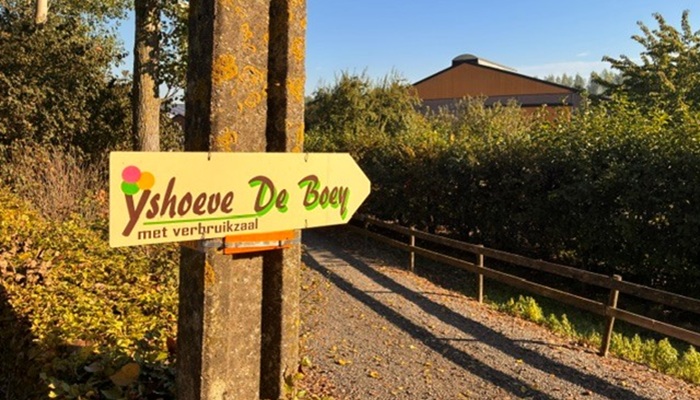
The canals, poplar-lined dikes and surrounding countryside form the distinctive rural setting
A family farm with a public face
Marc and Christine De Boeys’ farm has been in the family for generations. In 1989, they moved the dairy business to Groenendijk, a distinctive location surrounded by green space and a rich natural landscape.
The setting is part of the farm’s identity. The dikes, poplars, canal and nearby nature are not simply scenery. They are also what makes the farm attractive to walkers, cyclists, horse riders and visitors looking for locally produced food.
In 2015, the family began processing its own farm milk through IJshoeve De Boey. Their daughter Liselotte helped turn the idea into a working business, and since 2025 their son Maarten has also become involved. The ice cream farm now includes a dining area and summer terrace, where customers can enjoy homemade ice cream, pancakes, Brussels waffles and other milk-based desserts.
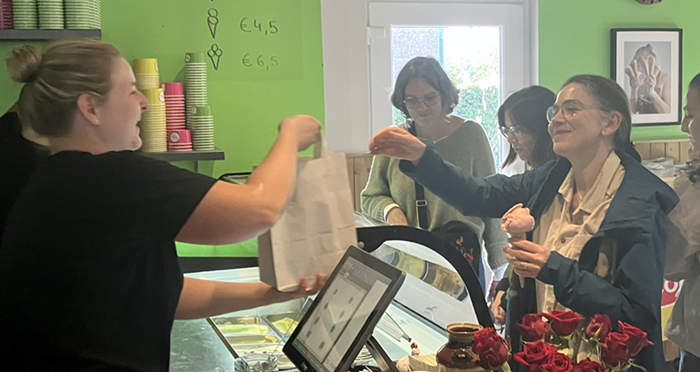
Image courtesy of Anne Kinsella
The business is built around a short supply chain; cows are milked on the farm, the milk is processed locally, and the finished product is sold directly to the public. Visitors can see the animals, learn about daily farm life and hear how the milk is turned into ice cream.
That direct connection with consumers is important. Many people who buy the ice cream know the farm, know the family and understand that the product begins with the cows grazing and being cared for on the same holding.
Jersey cows and A2A2 milk
The farm’s Jersey cows are smaller than many modern Holstein dairy cows, but they are well known for producing milk with a high concentration of milk solids. Jersey milk is often valued for its rich flavour and creamy texture, which makes it particularly suitable for products such as ice cream.
The De Boey farm also uses A2A2 Jersey milk. To understand what this means, it helps to separate two different milk proteins.
Milk contains a protein called beta-casein. The two most-commonly discussed forms are A1 beta-casein and A2 beta-casein. Cows inherit the relevant gene from both parents, so they may produce milk containing A1 and A2 beta-casein, or milk containing only A2 beta-casein.
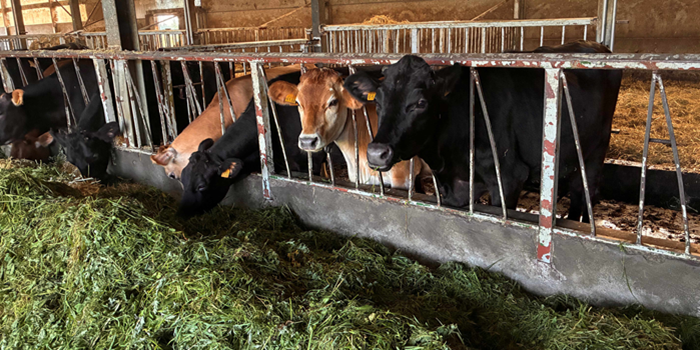
Jersey cows at Dairy Farm De Boey, where A2A2 milk is part of the farm’s distinctive product story and ice-cream branding.
A cow with two copies of the A2 variant is described as A2A2. Milk from those cows contains A2 beta-casein and does not contain A1 beta-casein. A cow with one A1 and one A2 copy is described as A1A2, while an A1A1 cow produces milk containing the A1 form.
A2A2 milk is not the same as lactose-free milk. It still contains lactose, and people with a medically diagnosed lactose intolerance may still react to it. Nor should A2A2 milk be presented as a treatment for illness. The evidence about whether A2 milk is easier for some people to digest remains an area of continuing research.
What can be said clearly is that A2A2 describes the beta-casein profile of the milk. It does not describe the amount of lactose, and it does not automatically make the milk suitable for people with a milk allergy.
At De Boey, the A2A2 Jersey milk is used as part of the farm’s identity and product quality. The family describes it as having a velvety texture, rich flavour and good suitability for ice cream. Every ice cream mix is carefully pasteurised before sale, which is an important food-safety step and allows the product to be enjoyed by a wide range of customers.
A farm in a beautiful but sensitive location
The same location that gives the farm its identity also places it within a sensitive planning and environmental context.
Flanders is densely populated and has a high concentration of livestock farms, industry, housing and transport infrastructure. Many farms are located close to protected habitats. One of the main environmental concerns is ammonia, which is released from livestock manure and slurry.
Ammonia is a sticky gas which can be emitted in animal housing, during manure storage and when slurry is spread. It can then be deposited on nearby habitats. In areas that are already receiving more nitrogen than sensitive plants can tolerate, even a relatively small additional contribution may become important in an environmental assessment.
Under the EU Habitats Directive, authorities must consider whether a plan or project could significantly affect a protected site. In Flanders, this has made permits increasingly difficult for farms close to vulnerable habitats.
The issue is not limited to building a larger shed or increasing cow numbers. A farmer may also need permission to renew an existing operation, expand slurry storage or make changes intended to improve environmental performance.
That is the difficulty facing De Boey. The farm has buildings, land, cows, customers and a younger generation becoming involved in the business. It also has an entrepreneurial model that brings the public onto the farm and adds value to its milk. But the business cannot plan properly without certainty about the permission under which it can continue to operate.
Why a short-term permit creates a long-term problem
For a family farm, a permit is closely connected to finance and succession.
Suppose a farmer wants to borrow money to upgrade a parlour, improve slurry storage or renovate livestock housing. The bank will ask whether the farm will be allowed to operate for long enough to repay the loan. A permission lasting 20 years provides a reasonable planning horizon. A permission that expires at the end of this year does not.
The farm may continue operating in the immediate term, but uncertainty affects every major decision. Should the family invest in the sheds? Should the next generation take on debt? Should the business expand the ice cream operation? Should the family employ staff or sign long-term contracts with suppliers and retailers?
These questions cannot be answered confidently if the underlying farm permission is uncertain. This is why farmers in Flanders describe themselves as being in limbo. The problem is not necessarily that they have been told to stop farming tomorrow. The problem is that they cannot secure the long-term permission needed to invest, borrow and hand the farm on.
The wider Flemish problem
Environmental organisations are challenging farm permits in Flanders using the Habitats Directive. The main issue is whether farms can demonstrate that their emissions will not cause significant harm to protected habitats.
The legal uncertainty has affected both expansion and sustainability investment. A farmer may want to install new technology, improve manure storage or make the farm more efficient, but still face objections because the project could alter ammonia emissions or the movement and spreading of slurry.
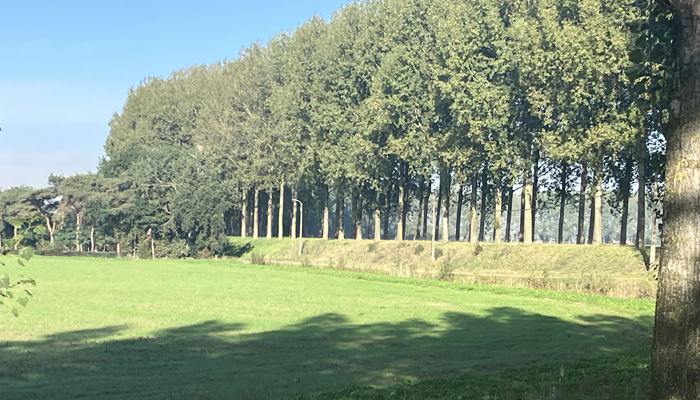
Image courtesy of Anne Kinsella
Flemish farmers are also expected to reduce ammonia emissions. But a reduction target does not, by itself, solve the permit problem. Farmers need to know which measures will be accepted, how their emissions will be calculated and whether those measures will provide secure permission for the future.
The De Boey farm illustrates the contradiction. It is an attractive, diversified and consumer-facing business. It makes use of its own milk, creates employment and brings visitors into the countryside. Yet those strengths cannot compensate for the absence of a secure operating permit.
The farm’s future depends on whether the family can obtain permission to continue operating at the required scale and under conditions that allow the business to remain economically viable.
The lesson for Ireland
Ireland has a different farming system. Irish cattle spend more time outdoors, farms are generally less intensive and the geography and population density are different from Flanders. The Flemish experience cannot simply be transferred to Ireland.
The legal principle is still relevant. Ireland is also required to protect habitats and water quality under European and national law. Irish farmers are already dealing with the 170 kg organic nitrogen per hectare limit, changes to the nitrates derogation and increasing attention on ammonia emissions.
Organic nitrogen and ammonia should not be confused.
The 170 kg organic nitrogen limit per hectare concerns the amount of nitrogen in livestock manure and organic fertiliser applied to land. Ammonia is a gas released mainly from manure and slurry. A farm can comply with the organic nitrogen limit and still face an ammonia-related habitat or planning issue.
For example, a farm may have enough land for its manure but be close to a sensitive nature area. Another farm may be far from a protected habitat but lack enough land for its organic nitrogen. The two farms face different problems, even though both are dealing with nitrogen.
The case of Dairy Farm De Boey shows why Irish farmers need clear rules before making long-term investments. Environmental measures must be based on reliable science, and farmers who adopt approved systems need confidence that those systems will continue to be recognised.
Most importantly, farmers need to know what the rules mean for the next generation. A business cannot be passed on successfully if a successor cannot obtain finance because the farm permission is due to expire within a few years.
At Groenendijk, the De Boey family has built a successful bridge between farming and the public. The cows provide the milk, the family processes it into ice cream and customers come to the farm to enjoy the finished product.
The central question now is whether the permission system will allow that family story to continue.
Related reading:
ReNure: A New Opportunity for Irish Dairy Farmers Facing Nitrates Limits