
October grazing – a guide from the Future Beef team
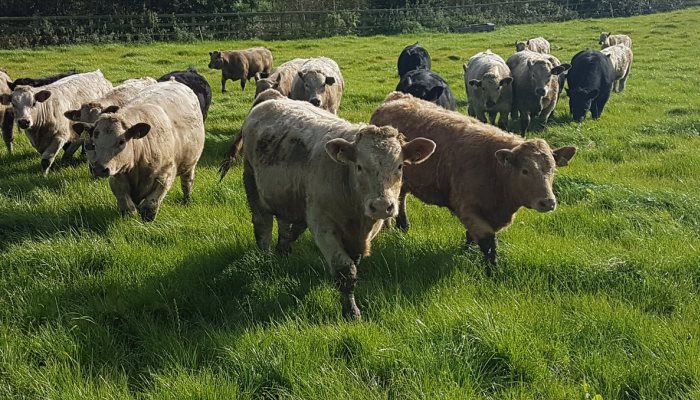
October is the most important month in the Irish grassland calendar, and a well-managed autumn rotation planner is key to setting up next spring for success.
The Teagasc Future Beef Programme team have recently prepared a very useful factsheet, allowing beef farmers to keep stock grazing for as long as possible without eating into next spring’s grass supplies.
Outlining and detailing the concept of an autumn rotation planner, the Future Beef guide expands on the simple principle of autumn grazing – close 60% of the farm by November 1, so that grass is available in February and March, with the remaining 40% of ground closed throughout November and grazed from April onwards.
Detailed within is key advice on when to close paddocks – whether operating on a dry or wetter farm – what paddocks to close first and the benefits that following an autumn rotation plan can bring to your beef farm’s finances.
From a financial perspective, the Future Beef team outline, following an autumn rotation planner offers clear benefits.
Every extra day at grass in spring is worth around €1.80 per cow. For a 40-cow suckler herd, a fortnight longer at grass could save over €1,000. Benefits also include healthier stock, reduced housing pressure, lower meal bills, improved cow fertility and better-quality silage next year.
The Future Beef team has reminded farmers to assess their grazing progress now: if behind target, graze lighter covers and maximise stock at grass; if ahead, slow rotation with housing or meal.
To read the full Future Beef guide on the Autumn Rotation Planner (PDF), click here.
Find out more on the farmers enrolled and planned events from the Future Beef Programme here.
To have the latest tips and advice from the Future Beef team delivered directly into your email inbox, sign up to the monthly Future Beef Programme newsletter here.