
25 April 2023
Oversowing white clover in sheep swards
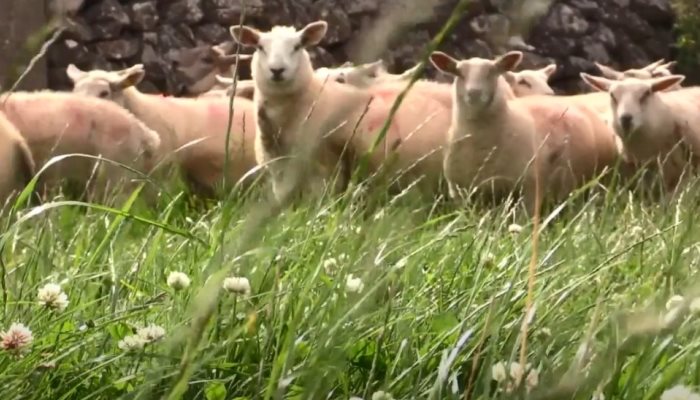
White clover has the potential to reduce the amount of chemical nitrogen fertiliser required for grass production and also has been shown to improve lamb performance when included in grazing swards.
While incorporating clover as part of a reseeding programme is the easiest way to introduce clover swards, oversowing into existing swards is another option to take advantage of the benefits of white clover. Philip Creighton, Teagasc, Animal and Grassland Research and Innovation Centre, Mellows Campus, Athenry, Co. Galway, outines some of the key areas to focus on when oversowing white clover.
Key points
- A full reseed is the most reliable method but oversowing is a simple and low-cost method;
- Choose fields carefully – good fertility, high production potential, low weed content;
- Sow as early in the year as possible (April onwards) to allow chance to establish;
- Keep grazed at low grass covers to maximise light to base of sward.
Soil fertility
Soil pH should be between 6.0 and 6.5, and soil P and K levels should be adequate (target index 3).
Sward type
For oversowing to work, the clover seed has to come in contact with the soil. Therefore, oversowing will work only where there is a reasonably open sward. For old, dense swards and swards heavily infested with broad-leaved weeds, reseeding is a better option.
Weed control
Weeds, especially docks, should be controlled before oversowing; once the clover is established the range of herbicides that can be used are more expensive and restrictive as a clover safe option must be selected.
Preparation
Graze the sward you want to oversow tight <4cm or cut for silage to remove as much of the grass as possible.
Sowing time and method
The best time to oversow is from April to July, while soil temperatures are high, to allow for good establishment. Moist soil conditions during and after oversowing are crucial to success. Sow 6.0-7.5kg seed per hectare (2.5-3.0kg/ac) of a small leaf clover variety. Small leaf clovers are more persistent under sheep grazing. Stitching the clover seed in with a drill/harrow works better with sheep grazed swards due to the denser nature of a sheep grazed sward compared to broadcasting into more open cattle swards.
Post sowing
Roll the seeds in if possible to ensure good seed soil contact. Reduce chemical nitrogen applications post sowing to give the clover seedlings a chance to compete with the existing grass sward. Graze frequently at low covers ~7cm (1,000kg DM/ha) to allow as much light as possible into the base of the sward to allow for clover establishment and development.
For more on the benefits of white clover, click here.