
Articles
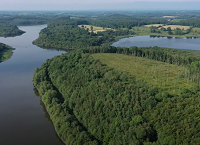
Woodlands and Lough Oughter – from the air
Woodlands and Lough Oughter – from the air Lough Oughter is a complex of lakes on the river Erne in Co. Cavan covering about 9,000 hectares. The area is a designated Natura 2000 site and is also part of the UNESCO Marble Arch Caves Geopark. Kevin O’Connell, Teagasc Forestry Development Officer discusses […]
15 July 2022
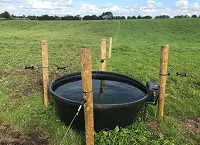
Water requirements for beef cattle
Water requirements for beef cattle In current dry weather conditions water systems may come under pressure to meet herd demand, especially if temperatures are persistently high for a number of days. Niall Kerins, Teagasc Drystock Advisor, Kilrush Co Clare, has guidelines on how to meet the water requirements for beef cattle here […]
14 July 2022
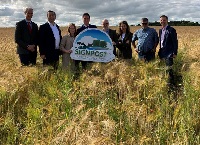
Drinks Ireland partners with Teagasc Signpost programme to support sustainable future supply of Irish grain
Drinks Ireland partners with Teagasc Signpost programme to support sustainable future supply of Irish grain The Teagasc Signpost programme has announced a partnership with Drinks Ireland, which represents Irish drinks manufacturers and suppliers, to further reduce the environmental footprint of grain production, which is key to underpinning the future sustainability needs of […]
14 July 2022
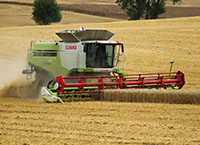
Tillage Update – Harvest management
Tillage Update – Harvest management Harvest time is upon us and it is usually the busiest time on any tillage farm. Shay Phelan, Teagasc Tillage Specialist has simple tips here which can make the job in hand a bit more efficient and which can also have long term benefits on soil structure. […]
14 July 2022
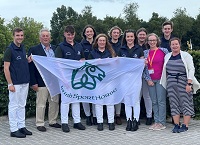
Irish Sport Horse (ISH) Young Breeders crowned World Champions
Irish Sport Horse (ISH) Young Breeders crowned World Champions The Irish Sport Horse Studbook Young Breeders team were crowned World Champions at the World Breeding Federation for Sport Horses International Young Breeders World Championships in Ermelo, Holland July 7-9 2022. Main photo above: Colin Doyle; Philip Scott, Barnfield Equestrian; Shane Donohoe; Maria […]
13 July 2022

Meet Signpost dairy farmer Jimmy Cotter
Meet Signpost dairy farmer Jimmy Cotter West Cork dairy farmer Jimmy Cotter is a Teagasc Signpost programme farmer. These farmers are leading the way to reducing GHG emissions on their farms along with improving water quality, biodiversity and increasing profit margins from farming. Teagasc dairy advisor Grainne Hurley has farm details Jimmy […]
12 July 2022

Ballyhaise’22 Dairy Open Day
Ballyhaise’22 Dairy Open Day We are delighted to invite all dairy farmers and dairy industry stakeholders to Ballyhaise’22, on Wednesday 13 July at Ballyhaise Agricultural College, Ballyhaise, Co. Cavan. “Futureproofing Irish Dairying” is the theme of this event. Find out more about what you can expect to see in the video here […]
12 July 2022
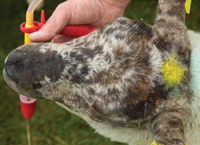
How to check if your worm dose is effective
How to check if your worm dose is effective Given the widespread issue of anthelmintic resistance and the need for good worm control it is important to check drench efficacy and to use a wormer that kills all the worms. Orla Keane, Teagasc Researcher at Grange, Co. Meath, describes how this can […]
12 July 2022
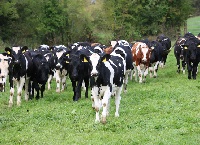
Getting dairy replacement heifer weights back on track
Getting dairy replacement heifer weights back on track Do you know the weights of your dairy weanling and yearling heifers? Knowing the weights of your replacement dairy animals and reaching target weights on time is critical for successful calving at two years of age. George Ramsbottom, Teagasc dairy specialist has the advice […]
11 July 2022

Teagasc Student Maintenance Grants 2022/2023
Teagasc Student Maintenance Grants 2022/2023 The 2022/2023 Teagasc Student Maintenance Grant Scheme is now open. Teagasc student maintenance grants are paid through Teagasc and the grant scheme is managed by Teagasc. The closing date for applications is Friday 30th September 2022. See more details on how to apply here The Teagasc Authority […]
11 July 2022