
Planning for the unexpected: Is your beef farm ready if you cannot work tomorrow?
If illness or an accident meant you could not work on your farm tomorrow morning, would someone else know what to do? Future Beef farmers recently discussed the importance of having a plan in place to keep the farm running during an unexpected absence, Teagasc Future Beef Programme Advisor, Aisling Molloy tells us more.
Farming is a demanding occupation, with many day-to-day tasks depending on the knowledge and experience of one person. From feeding livestock and managing calving to operating machinery and organising contractors, farmers often hold a significant amount of information in their heads. But what would happen if that person was suddenly unable to work due to illness, injury or an accident?
This was the question at the centre of a recent discussion with Future Beef farmers, where the importance of planning for unexpected events was highlighted. Having a back-up plan is not about expecting something to go wrong; it is about reducing the pressure on family members, neighbours and relief workers if the unexpected happens.
1). Put a farm management plan in place
One practical step is to complete a Farm Management Plan booklet which has been designed with feedback from the Future Beef farmers, and available to download below. This document is designed to provide a family member, neighbour or relief worker with the information they need to manage the farm’s day-to-day activities if the farmer is unavailable.
The first step is identifying who should be contacted and who will organise the farm work. Agree on a first and second point of contact and identify which jobs must be completed first. Ensuring livestock have access to feed and clean drinking water, and identifying any animals requiring urgent attention, should be priorities.
A list of essential contacts should also be readily available. This should include the vet, agricultural advisor, feed merchant, contractor, AI technician, mechanic, accountant, solicitor, bank and insurance provider. Include telephone numbers rather than relying on someone else to search for them.
2). Make farm information easy to find
A person unfamiliar with the farm may not know where fields are located, which paddocks are being grazed or where water supplies can be turned off. Attaching an up-to-date farm map to the management plan can make a significant difference.
The map should identify field and paddock numbers, sheds, gates, lanes, out-farms and emergency access points. It should also show the location of the main water shut-off, electricity switch, fuse board, electric fencer, water pumps and trough supplies. Where out-farms are involved, include their Eircodes or location pins.
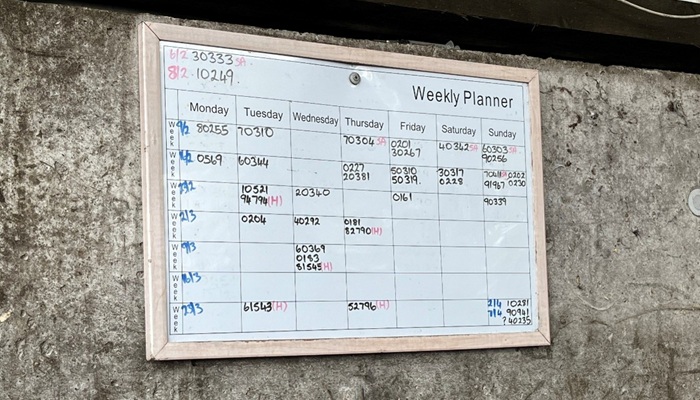
Keys for locked gates and machinery should be labelled and stored in an agreed location. A whiteboard in the farmyard can also be useful for displaying important information, such as livestock numbers, feeding instructions and expected calving dates.
3). Livestock management and daily routines
Clear livestock instructions are particularly important, as feeding and animal health routines can vary considerably between farms.
The plan should outline the number of animals in each group and provide details of grazing arrangements, winter feeding, meal quantities, minerals and morning and evening checks. Silage bales or pits should be labelled according to quality and the stock groups they are intended for. Meal bins should also be clearly identified.
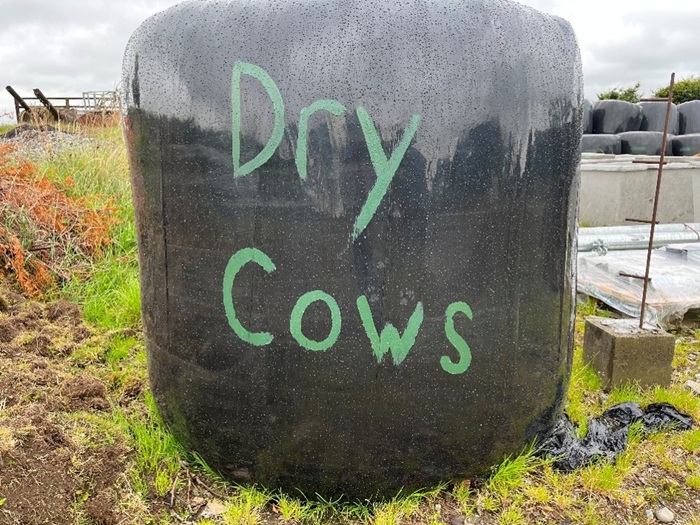
Stacks of silage bales can be labelled by stock group
Animal health information should include the herd health plan, vaccination and dosing dates, treatment records and the location of medicines. Any withdrawal periods should be clearly recorded.
For suckler farmers, breeding information is also essential. Include stock bull and AI details, breeding dates, scanning information and expected calving dates. Explain how cows and heifers are identified, where calving records are kept and how to access the calving camera. Instructions should also cover where calving equipment, spare colostrum and calf supplies are stored.
4). Machinery, contractors and farm safety
It is important that someone stepping into the farm can operate essential machinery safely. Identify the equipment needed for daily feeding and explain where keys are kept and how machinery is started and operated.
Hydraulic pipes can be colour-coded using cable ties to help identify where each pipe should be connected. This is a simple but practical measure that can reduce confusion for someone unfamiliar with the machinery.
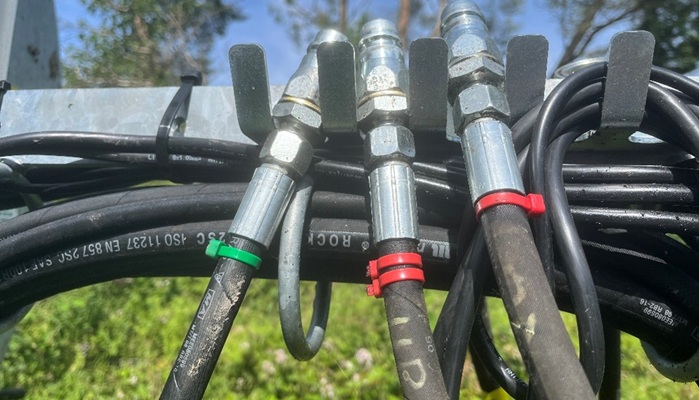
Coloured cable ties can show where hydraulic pipes are to be connected
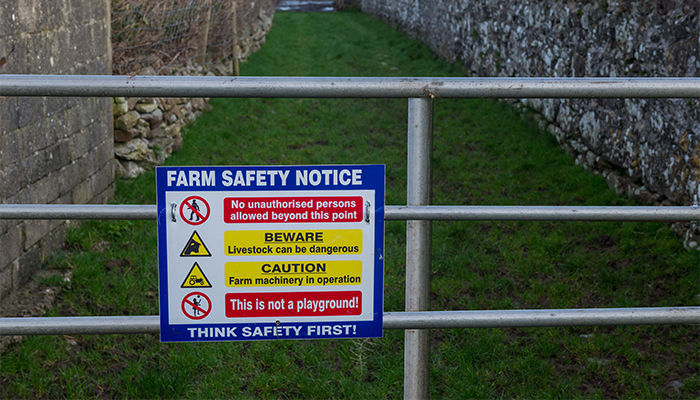
The plan should also highlight potential hazards, including difficult cattle, bulls and unsafe areas. Identify the location of the first aid kit, fire extinguisher and protective clothing. Anyone helping on the farm should only undertake jobs they can carry out safely.
Have a list of contractors and the jobs they normally undertake, including silage, slurry spreading, fertiliser application, machinery repairs and other essential work. Check that farm insurance provides appropriate cover for temporary or relief workers who may need to come onto the farm.
5). Don’t overlook financial and personal arrangements
Being prepared goes beyond knowing how to run the farm. An unexpected illness or accident can also place considerable financial pressure on a household.
Farmers should review their existing financial protection, including farm insurance, life assurance, income protection, serious illness cover and accident policies. Understand what is covered (e.g. accident, serious illness etc), what exclusions apply and how long it takes before payments begin. Check whether any benefits are available through existing farm insurance or membership schemes.
Consider how household expenses, mortgage repayments, farm bills and loan repayments would be managed if income was interrupted. Having emergency savings to cover essential expenses for one, three or six months can provide additional security.
Family members should also know where important documents are stored, including insurance policies, bank and loan details, land ownership or tenancy documents, herd number information and scheme correspondence. Access to farm accounts and online systems should be considered, with the appropriate permissions arranged in advance. Passwords and PINs should never be written into the farm management booklet.
Finally, farmers should ensure their will is up to date and discuss succession and an enduring power of attorney with their solicitor. These are separate legal arrangements from the day-to-day Farm Management Plan and should be addressed independently.
Take the first step
A Farm Management Plan does not need to be completed in one sitting. Start with the key contacts, walk the farm with a family member or neighbour, mark the important locations on a map and work through one livestock group at a time.
Importantly, involve the person who may have to use the plan. Ask them to follow the instructions and identify anything that is unclear or missing. Review the document at the start of each season and update it as farm routines change.
The key question for every farmer is simple: if you could not work tomorrow morning, could someone else keep your farm running? A little preparation now could save considerable stress for you and your family when it matters most.
The Farm Management Plan is available for download here.
The Teagasc Future Beef programme is sponsored by the meat processors under the umbrella of Meat Industry Ireland. You can read more about the Future Beef Programme here.