
14 April 2025
Pre-breeding: A stitch in time saves nine
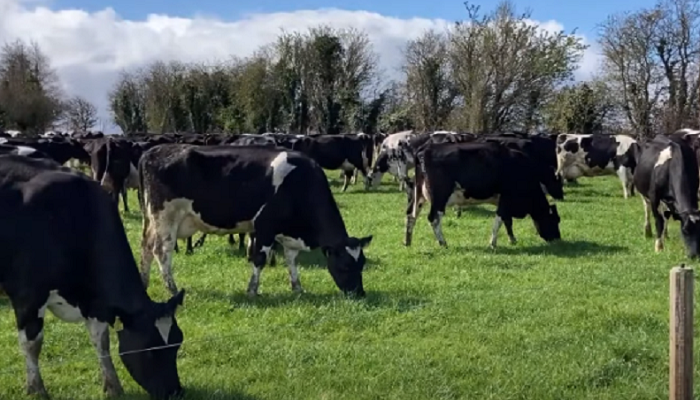
Investing time identifying problem cows and dealing with them early will pay dividends, writes Teagasc Dairy Specialist, Stuart Childs who offers tips and advice on tightening the calving spread with breeding fast approaching.
Seasonal calving depends on compact calving to match demand with supply. The national average 6-week calving rate is 68% (2024). This falls a nice bit short of the target of 90%. Research would suggest that if the average herd (94 cows) were to move from the average to the target 6-week calving rate, it would be worth €17,000 to that farm.
Another interesting statistic from ICBF is that 10% of cows were recycled in 2024, i.e. they slipped from one calving season to the next. Much of the time, these recycled cows are cows that are not cycling early in the breeding season and are not ‘spotted’ in time to address their issues to allow them to go in calf in the defined breeding season (12 weeks).
Late calvers are another group that can slip into the recycled cow category. As they calve late, they are against the clock immediately to go back in calf within the same season.
Many of these scenarios could be avoided with earlier intervention and correction of the various ailments that may be responsible.
Fertility increases with increasing number of reproductive cycles, so early intervention that corrects the reproductive cycle of non-cycling cows will increase their chances of going in calf and reduce empty rate at the end of the season (12 weeks of breeding).
How to identify the culprits
Pre-breeding heat detection, although requiring some effort, will pay dividends.
There has been a significant uptake of heat detection technology on farms in recent years and these farms will have the information at their fingertips.
Farms that don’t have this technology should tail paint the milking herd as soon as possible. Topping up paint over the next 2-3 weeks is all that should be done and note any cows bulling as they are seen at milking time.
It is important not to over invest time in pre-breeding heat detection, as you don’t want to be weary before the season starts in earnest.
Cows that don’t have tail paint removed prior to the breeding season should be drafted for examination by your vet. The vet will also recommend a course of action to correct the issue.
Late-calving cows should be drafted at the earliest opportunity and synchronisation may be considered for both groups of cows to submit them for breeding as soon as possible (min 40 days post calving).
While only some of the cows will go in calf to this initial intervention, it is hugely important as it kickstarts the breeding cycle and the chances of them going in calf subsequently increases with each cycle.
As there are only three-four opportunities in defined breeding seasons (12 weeks), the sooner the better to get cows on the road to recovery from whatever has knocked them off kilter reproductively.
Some will argue that these cows have poor fertility and should be left move on but in most cases, it is a management issue (calving disorder, BCS etc.) rather than a genetic issue that is the cause of the problem.
While cull animal value is exceptional at the moment, the cost of replacing a cow or the opportunity cost of selling a high value cow or heifer has similarly increased, so investing time identifying these problem cows and dealing with them early will pay dividends.
For more tips and advice on Dairy Breeding, visit here.
More from Teagasc Daily: Analysing the first milk recording reports of the year
More from Teagasc Daily: Breeding choices deliver more beef in Co. Tipperary