
Pre-harvest crop walks – some of the most valuable hours of the farming year
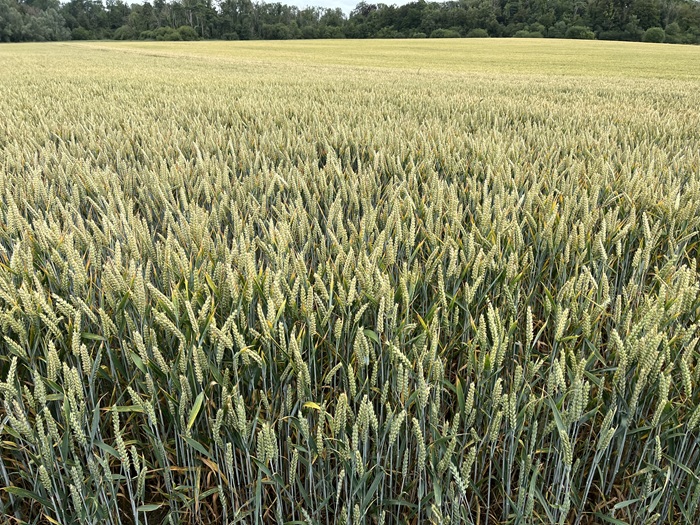
Before harvest tunnel vision sets in, Teagasc Crops Specialist, Ciaran Collins reminds growers that a few hours assessing crops now can lead to better decisions, improved crop performance and increased profitability in the seasons ahead.
Many people say that the combine is the ultimate judge of crop performance, and it is difficult to argue with that.
Once the grain passes over the weighbridge, the season’s successes and disappointments are measured in tonnes. However, by the time the combine enters the field, many of the opportunities to understand why a crop performed as it did have already been missed.
A valuable time for assessing crops
The period between now and the start of harvest is one of the most valuable times of the year for assessing crops. It is an opportunity to evaluate everything from establishment and variety choice to nutrition, disease control and weed management. The aim is simple, identify what worked, what did not and use that knowledge to improve crop performance and profitability next season.
Crop production is an expensive business, with little room for unnecessary costs or lost yield. Small improvements in agronomy often add up to significant gains in profit. While winter barley is now approaching harvest and there is relatively little that can be taken from it, most other crops still have much to teach us before the combines arrive.
Assessing crop establishment
One of the first things to assess is crop establishment. Simply asking whether a crop is thin or thick, or carrying out a few shoot counts, can provide valuable information. Were target plant populations achieved? Did establishment suffer because of seedbed conditions, drilling date or pest damage? These observations are easily forgotten once harvest begins but can influence drilling decisions for years to come.
The impact of disease
This season, barley yellow dwarf virus (BYDV) has been one of the major talking points, particularly in winter wheat and spring barley. Pre-harvest is an ideal time to assess its true impact:
- Are there patches of stunted or uneven crop?
- Are symptoms still visible? How do treated and untreated areas compare?
- What does the grain look like in affected patches?
- Most importantly, once the combine passes through these areas, what is the yield penalty?
These are the observations that help refine future BYDV management strategies.
Variety choice
Variety choice is another area where there is always something new to learn. New varieties continue to enter the market, while the strengths and weaknesses of existing varieties become clearer each season. Visiting cereal variety trials is an excellent way to compare performance, but there is no substitute for evaluating varieties under the conditions on your own farm.
This year has highlighted some clear varietal differences. The warm, humid conditions during flowering have increased the risk of fusarium infection in winter wheat, particularly in the south. Yellow rust has also been a significant challenge in many crops. Comparing how different varieties have performed against these diseases, or against septoria where that is the greater threat, can provide invaluable guidance when selecting varieties for next season.
Disease control programmes
Disease control programmes also deserve scrutiny. Rhynchosporium and net blotch were more prevalent than many expected in spring barley this year. Which fields remained greener for longer? Did fungicide programmes provide the expected level of protection? If disease broke through, was it due to product choice, application timing, rate or simply disease pressure exceeding expectations? Standing in the crop at this time of year often provides answers that are impossible to see once the field has been cut.
Crop nutrition
Nutrition is another area where a short walk can uncover valuable information. Weak patches are often easy to spot at this stage. The important question is why they occurred.
Is the problem nutritional, or is it related to soil structure, drainage or compaction? A quick inspection with a spade can reveal restricted rooting, poor soil structure or other underlying issues.
Similarly, where trace element deficiencies occurred earlier in the season, now is the time to ask whether corrective measures were successful or whether a different approach is needed next year.
Nitrogen remains the single biggest driver of cereal yield, but the optimum rate varies considerably between fields. Pre-harvest observations can help fine tune nitrogen programmes.
Are there lodged areas that suggest nitrogen rates were too high? Equally, are there crops that lack biomass or ear numbers because nitrogen supply was insufficient?
Organic manures
Where organic manures were applied, are there visible differences in crop performance compared with fields receiving fertiliser alone? These comparisons can help optimise nitrogen use while improving both profitability and nutrient use efficiency.
Weed control
Weed control is perhaps the easiest aspect of crop management to assess because the results are so visible. If weeds are present at harvest, it is worth asking why:
- Was product choice appropriate?
- Was the application timed correctly?
- Was the rate adequate?
- Would a change in crop rotation reduce weed pressure?
In some cases, poor control may indicate herbicide resistance. Where resistance is suspected, growers should contact their advisor to arrange testing before next season’s decisions are made.
Valuable days before harvest
Once harvest begins, every farmer understandably develops tunnel vision. The focus quickly becomes making the most of every available harvesting hour, getting grain safely into store and straw baled before the weather changes. There is little opportunity for reflection.
That is why these final days before harvest are so valuable. Spending a few hours walking crops, asking questions and making notes can provide information that no yield map or harvest report can deliver on its own. The combine may tell you what the crop yielded, but a pre-harvest crop walk often explains why. Those lessons are what ultimately lead to better decisions, improved crop performance and increased profitability in the seasons ahead.