
29 October 2023
Preparation is key for dry cow therapy
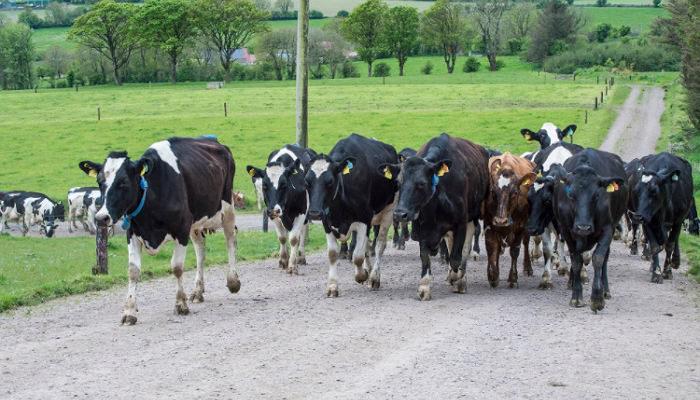
Katie Doyle, Dairy Advisor, tells us that with the upcoming drying off season and new regulations in place, preparation is key in our approach to dry cow therapy (DCT).
In 2022 under the new Veterinary Medicines Regulation EU2019/6, changes were made in how veterinary practices prescribe antimicrobial DCT. These changes were put in place to ensure the longevity of impact DCT has on farms and assist in the reduction of resistance being built up. With this in mind, the blanket DCT approach is prohibited. Each cow will be looked at as an individual case, a consultation with your vet will determine whether or not dry cow therapy or a teat sealer is sufficient.
Naturally, farmers fear the worst when they think of adopting selective DCT on their farm. There is a two week window pre/post calving where the cow is most vulnerable. The majority of issues that occur within the first two weeks post calving originate from the time the cow was dried off. Getting the basics right will help in reducing these issues.
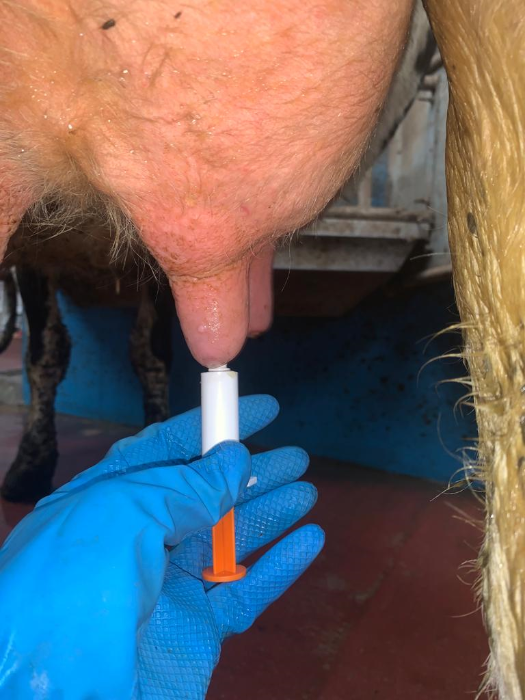
Factors that influence a successful dry cow period
- Winter housing: Housing facilities are an important aspect in reducing the cases of mastitis post calving. Ideally there should be 1:1 cubicles:cow on the farm. Cleanliness is crucial; cubicles scraped and limed twice daily.
- Hygiene at drying off: Good hygiene practices should be carried out when administering DCT or teat sealers. Cow cleanliness is important. (i.e. tails clipped, sterilising udders). Drying off should be carried out 4-6 weeks prior to calving.
- Record keeping: Going forward the farmer is advised to keep records of mastitis treatments during the year, dry cow treatments and milk recordings. It is recommended 6-7 milk recordings are completed throughout the year; 1-2 early on in lactation and 1-2 a month prior to drying off. For farms not milk recording, there are alternatives available such as bacteriology, CMT test and individual cow milk sampling. These options are not sustainable as they are not reliable, poorly recorded and should be only used as a short-term solution. Is robot milking information adequate? There is a vast amount of information available on robot milking systems. Ensuring that the machine is maintained and the SCC device is managed appropriately, the farmer and vet can interpret this information and prepare a plan for DCT for the herd. It is important to note that experience and knowledge of the system will assist in the decision making.
- Audits: Vets are being audited routinely going forward. Auditors will focus on prescriptions and request proof/reason for the prescriptions. If they find issues, the farmers will then be targeted.
What is the threshold?
Each farmer should look at the mastitis and infection records on their farm to assist the vets in the selective DCT plan. For a herd with a bulk milk SCC consistently below 200,000 cells/mL, it has been shown that an introduction of new infection during dry period is less than 10%. The selection threshold was based on mature cows with SCC consistently under 100,000 cells/ml and no previous records of clinical mastitis, for younger stock 65,000. All animals falling under these thresholds will be treated with teat sealers only. Again, records are a key driver in the selection process and a consultation with your vet will determine animals for selective DCT or teat sealer.
Discussion groups
In October, local discussion groups have started to host dry cow therapy workshops with their local Targeted Advisory Service on Animal Health (TASAH veterinary practitioner) highlighting the issues and steps on incorporating selective DCT on farm.