
Preparing for a successful calf rearing season
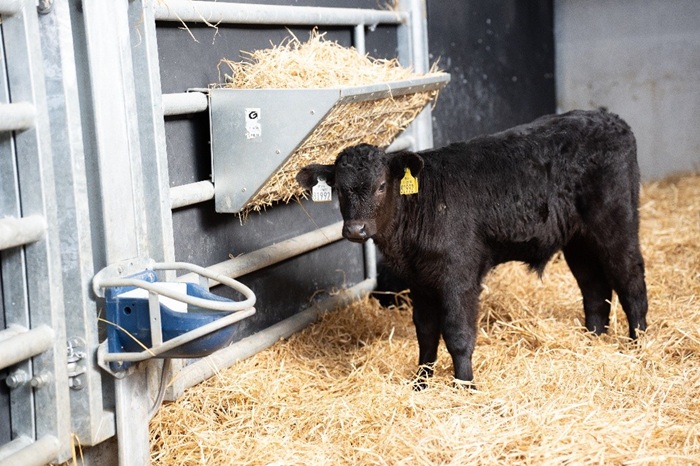
Preparing properly for the calf rearing season is one of the most important steps in ensuring a profitable and efficient calf-to-beef system, DairyBeef 500 Advisor, Tommy Cox shares some key advice.
On many Irish farms, large numbers of dairy-beef calves arrive over a short period, creating significant labour, health and management challenges. Planning in advance, good facilities and strict health protocols are essential to maximise performance and minimise losses.
Housing and facilities
Calf housing must be clean, dry, well bedded and well ventilated. Before calves arrive, sheds should be power washed, disinfected and left to dry completely.
Effective ventilation is critical to reduce the build-up of moisture and airborne pathogens, which are major contributors to pneumonia. Draught-free but well aired sheds are the goal.
Where pneumonia problems previously arose due to ventilation issues in the calf shed remedial actions should be considered, such as replacing some of the existing side sheeting with Yorkshire boarding, or – where still possible – improving air outlet by raising canopy height.
On the other hand, where sheds were cold or where calves were exposed to drafts, putting up stock boarding or canopies to provide microclimates for calves may help.
Each calf should have adequate lying space (at least 1.5m² per calf for young calves) and access to clean water and feeding areas. Pens should allow for small groups, ideally a maximum of 15 calves per pen, to limit disease spread and allow close observation. Good drainage and frequent bedding with clean straw will reduce the risk of scours and respiratory issues.
Sourcing calves
Try to source calves from as few farms as possible. Building a relationship with a regular supplier can improve calf quality and health status. When selecting calves, look for:
- Bright, alert calves that stand and move easily
- Clean, dry navels
- Good body condition and strong frames
- Calves that are over two weeks old
Talk to the seller about colostrum feeding and herd health. Calves which receive enough high-quality colostrum shortly after birth have better immunity and lower sickness levels. After transport, allow calves time to settle. Offer milk as soon as possible and monitor them closely for the first few days.
Health planning and disease prevention
Disease prevention is far more cost-effective than treatment. A herd health plan developed in consultation with your vet should cover vaccination, parasite control and biosecurity measures.
Scours and pneumonia are the main health threats during the first few weeks. Good hygiene, correct feeding rates and stress reduction are key preventative measures. Isolate any sick calves immediately to reduce spread. Early detection is critical, calves that are slow to drink, dull, coughing or showing loose dung should be examined promptly.
Vaccination against respiratory disease should be discussed with your vet, particularly where calves are sourced from multiple farms or where previous issues have arisen.
Focus on feeding
Although price is a major factor for some farmers when selecting a milk replacer, buying a lesser quality product will generally cost more in the long run. When selecting a milk replacer, choose a product based on milk-derived proteins such as skim milk powder or whey protein concentrate to ensure good digestibility and performance. Aim for a protein content above 23%, oil at 18–20%, ash below 8% and fibre under 0.15%.
Consistency in feeding is essential; therefore, the powder should dissolve easily without residue and be mixed exactly as per manufacturer guidelines using clean equipment and water at the correct temperature.
Complete a budget
With calf prices very high presently, it is vital to sit down and do the sums before buying. When you are paying strong money for calves, there is very little room for things to go wrong.
Farmers should carefully calculate the total cost of rearing each calf through to finish. This includes the purchase price, milk replacer, concentrates, forage, veterinary costs, bedding, labour and fixed costs. Once completed, look at what you realistically expect the animal to kill out at and what beef price you are budgeting for.
Ask yourself: is there a margin there if performance slips or if beef price eases? A simple budget and cashflow plan will give you a clear picture of how many calves you can afford to carry and what level of performance is needed. Taking an hour to run through the figures now can save a lot of pressure later.
Tommy Cox is an Advisor working on the Teagasc DairyBeef 500 Programme, visit the DairyBeef 500 webpage here.