
Preparing for the purchasing of dairy bred calves
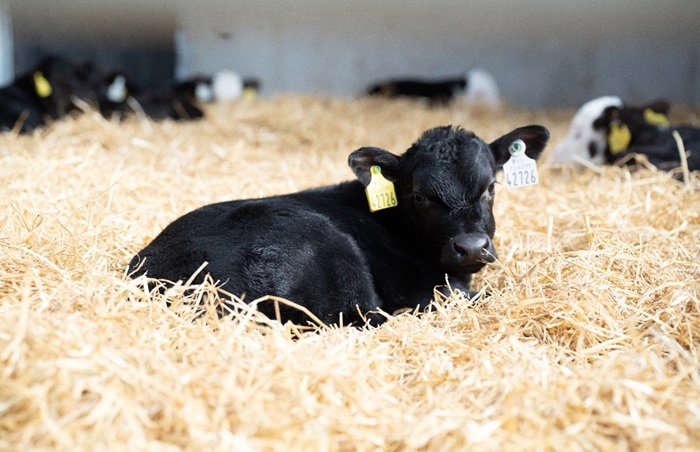
As dairy cows start to calve in earnest, DairyBeef 500 Advisor, Gordon Peppard shares a number of key tips for beef farmers in preparation for purchasing dairy bred calves over the next two to three months to rear as beef animals.
Careful preparation is essential to protect calf health, maximise growth and ensure a profitable beef system. The following ten points outline the key areas beef farmers should focus on before calves arrive on to their farm.
1). Prepare calf housing in advance
- Power-wash, disinfect and allow sheds to dry out well in advance.
- Ensure sheds are well ventilated but free from draughts at calf level.
- Provide sufficient lying space so that calves can lie comfortably and dry.
2). Bedding availability
- Ensure to have an adequate supply of clean, dry straw stored before calves arrive.
- Top up bedding regularly to keep calves warm and reduce stress.
- Wet or dirty bedding increases the risk of scour and pneumonia.
3). Source calves carefully
- Where possible, buy calves from a minimum number of sources to reduce risk of disease.
- Buying calves direct from farm allows knowledge of colostrum given, vaccinations received and which sire was used to be obtained from the dairy farmer.
- Choose calves that are bright, alert, and showing no signs of coughing, scour, swollen navels, or dullness.
4). Check calf age and size
- Target calves that are at least 2–3 weeks old and well grown for age.
- Even batches of calves perform better and are easier to manage.
- Very young or light calves are more vulnerable to disease and setbacks.
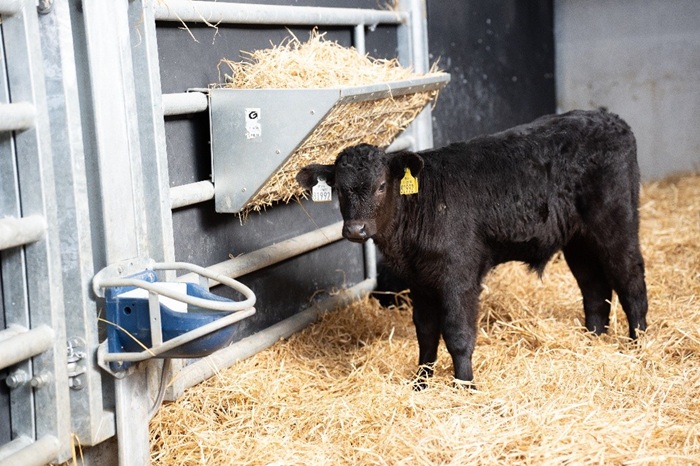
5). Plan your health programme
- Discuss vaccination options for pneumonia and clostridial diseases with your vet.
- Have electrolytes, stomach tubes, and basic medicines on hand.
- Isolate new calves for the first 7–10 days to monitor health closely.
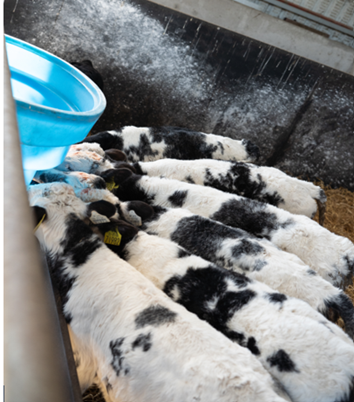
6). Milk feeding systems
- Select a high-quality milk replacer suitable for once or twice daily feeding.
- Mix milk accurately and consistently to avoid digestive upsets.
- Clean feeders and teats daily to prevent bacterial build-up.
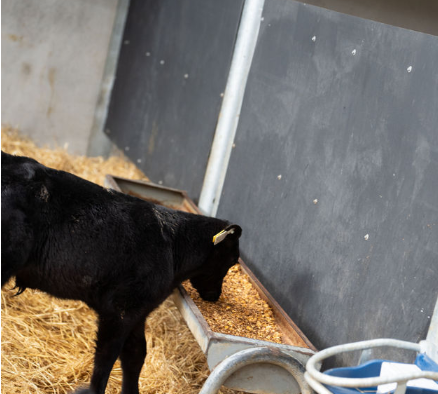
7). Introducing concentrates
- Offer a high-quality calf starter ration from day one on the farm.
- Fresh feed daily encourages early rumen development and weaning.
- Remove stale or wet meal to keep intake high.
8). Access to water
- Fresh, clean water must always be available.
- Water intake supports meal consumption and rumen development.
- Clean drinkers regularly to prevent disease spread.
9). Labour and observation
- Establish a consistent daily routine for feeding and checking calves.
- Spend time observing calves for early signs of illness or poor thrive.
- Early treatment greatly improves recovery and reduces losses.
10). Planning and recording
- Know your full cost of rearing, including milk replacer, concentrate, vet and straw.
- Keep records of purchases, treatments, and mortality.
- Monitoring performance helps identify issues early and improve margins.
Re-cap
In summary, good preparation before calves arrive on your farm is the foundation of a successful calf-to-beef system. Attention to adequate housing facilities, hygiene, health, nutrition, and daily management in the coming weeks will greatly reduce problems and ensure calves reach their full potential as profitable beef animals over the next two years.
Building a profitable dairy calf to beef system
DairyBeef 500 Manager, Alan Dillon joins Catherine Egan on the below episode of the Beef Edge podcast to discuss the key performance indicators of a sustainable, profitable dairy beef system.
Listen in below:
Teagasc DairyBeef 500 Conference
The Teagasc DairyBeef 500 Conference 2026 will take place on Thursday, January 29th at 7pm at Ballykisteen Hotel, Limerick Junction, County Tipperary, E34 VK12.
Featuring an array of expert speakers, the conference will cover some of the important areas of dairy calf to beef production. A panel discussion with farmers and advisors will discuss the areas of focus for 2026 while also reflecting on the positives from 2025.