
Preparing rams for a successful breeding season
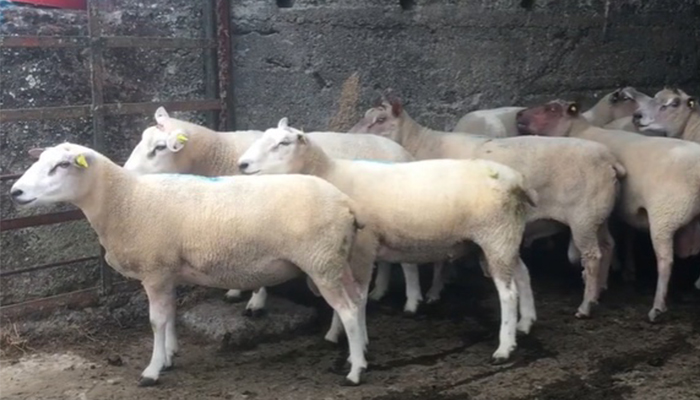
Enda Maloney, Teagasc Advisor, discusses the key steps farmers can take to prepare rams for a successful breeding season.
The old saying that “the ram is half the flock” has never been more relevant. A single ram can sire dozens of lambs each season, meaning his fertility, health and genetics will have a major influence on flock performance for years to come. Ram preparation six to eight weeks before the breeding is one of the best investments a sheep farmer can make.
A good place to start is body condition. Teagasc recommends that mature rams should be in a Body Condition Score (BCS) of 3.5 to 4 before mating. Rams can lose up to 15% of their body weight during a six-week breeding season, so they need to begin the season fit rather than fat. Thin rams should be offered good-quality grass or supplementary feeding early, as it can take up to eight weeks to regain condition. Stress during this period should also be avoided because sperm production takes around seven weeks to get back to full fertility.
A thorough health check is equally important. Feet and legs should be carefully examined, as even slight lameness can dramatically reduce a ram’s willingness to seek out and serve ewes. Any signs of footrot or scald should be treated well before breeding. Teeth should also be checked to ensure the ram can graze effectively. Broken or badly worn teeth will affect body condition and overall performance. Eyes should be bright and healthy, while the jaw should be free from swellings that could indicate dental problems.
The reproductive organs deserve particular attention. Both testicles should be firm, equal in size and move freely within the scrotum. Any lumps, injuries or abnormalities should be investigated immediately. Vaccinations, Minerals and parasite control should also be up to date before rams join the ewe flock.
While physical fitness is essential, genetics play an increasingly important role in profitable sheep production. Sheep Ireland encourages farmers to use the €uroStar indexes when selecting breeding rams. A ram chosen to breed replacement females should ideally be 4 or 5 stars on the Replacement Index, while farmers producing only factory lambs should focus on the Terminal Index. These indexes combine traits such as lamb survival, growth rate, milk, fertility and lambing ease to improve overall flock profitability.
Sheep Ireland advises that genotyped rams provide more accurate breeding values and improve the reliability of sire verification. For farmers participating in the Sheep Improvement Scheme, purchasing eligible genotyped rams is also an important scheme requirement.
Finally, don’t forget to monitor rams once breeding begins. Using a raddle harness or brisket marker allows farmers to identify served ewes and quickly detect if a ram has become injured or infertile. The raddling colour should be changed every week to two weeks as this will determine what ewes are served first and it will also leave it easier when it comes down to drafting ewes for feeding first as the ewes served first will have a lighter colour raddle. One mature ram should be capable of serving around 40 to 45 ewes under normal conditions, while ram lambs should be limited to approximately 25 ewes.
A ram represents far more than one breeding season. Careful attention to health, body condition and genetic merit before mating can deliver tighter lambing, higher scanning rates and better-performing lambs, ensuring stronger flock performance for many years to come.