
25 April 2023
Price of agricultural land to rise in 2023 – report
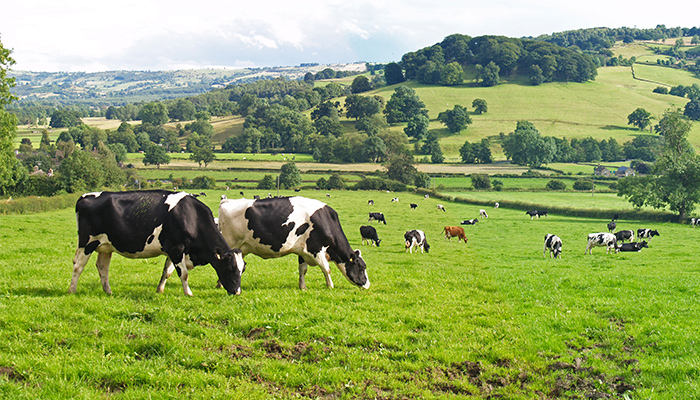
The price of agricultural land nationally will increase by 8% on average this year, underpinned by a strong dairy sector, a recent survey has indicated.
In a major survey, auctioneer and valuer members of the Society of Chartered Surveyors Ireland (SCSI), operating in the agricultural and rental markets, also say they expect national rental prices to increase at an even higher rate – an average of 14%.
They say prices will be driven by the constrained supply of land for rental and higher anticipated demand, particularly from the dairy sector, due to new environmental regulations. However, experts from Teagasc note that milk prices have fallen back somewhat this year. National average non-residential farmland prices in 2022 ranged from €5,564/ac for poor quality land – up 5% from €5,308/ac in 2021 – to €11,172/ac for good quality land – up 2% from €10,962/ac the previous year.
According to the Society of Chartered Surveyors Ireland / Teagasc Agricultural Land Market Review and Outlook Report 2023, the Central Statistics Office data shows that the share of agricultural land, which transacts for sale annually, is only around 0.5% and this is one of the main reasons for the strong agricultural land letting market which exists here.
In Munster, where land rental values increased on average by 13% last year, prices per acre ranged from €241 for grazing only to €383 for potato crops. In Leinster, rental values increased on average by 9% and ranged from €248 for grazing only to €439 for potatoes. In Connacht/Ulster, land for grazing, meadowing and silage increased by 5% to €176/ac and for grazing only by 1% to €162/ac.
According to the survey of 134 auctioneers and valuers from all over the country, the volume of land sold last year was similar to 2021, with executor/probate sales providing the main source of farmland sales.
Land market commentary
Peter Murtagh, Chair of the SCSI’s Rural Agency Committee, said strong demand for good quality land from dairy farmers is driving the market.
“83% of agents in our survey believe there is likely to be an increase in demand from dairy farmers to purchase farmland in 2023 and they are continually ranked throughout the survey as being the most likely purchasers of land across the country. However, as outlined in this report, it’s also likely that changes to the European Nitrates Directive, particularly measures aimed at protecting water quality, will have an impact on land prices, especially rental prices.”
“In order to maintain current levels of milk production – and to comply with the directive – many dairy farms will need to either increase their land area or reduce milk production. We’d expect the impact on sales and rental prices will be more acute in regions where dairy is the dominant farm enterprise and where stocking rates are higher.”
“Last year was also a good year for tillage farmers and Leinster-based auctioneers and valuers in our survey say demand for good arable land or land close to any sizeable dairy farms attracted strong interest and competitive bidding. That demand is also reflected in strong price growth in the dairy heartland of Munster where agents say one of the main drivers of the market was a heightened interest from individuals with their own funds looking to invest in land and guard against the effects of general inflation. While land prices are lower in Connacht/Ulster, the region recorded the biggest percentage increase in prices for good quality land and is forecast to do so again this year.”
“Provincially, rental values are expected to increase the most in Munster – 17%, followed by Leinster on 15% and Connacht/Ulster on 10%. Approximately 88% of agents expect the volume of farmland available for lease this year will either remain the same or increase, up from 62% last year and this is positive for the market given the constrained land supply situation” he said.
Agricultural outlook
Teagasc economist, Dr. Jason Loughrey, said Russia’s invasion of Ukraine is continuing to have a major impact on agricultural markets, at both international and domestic levels.
“As in many other countries the invasion resulted in higher energy and fertiliser prices for farmers here in Ireland, and these have remained at elevated levels despite some modest declines in recent months. The increased cost of many key inputs was a major concern throughout 2022, but these were counterbalanced by record milk prices and by significantly higher grain and meat prices.”
“However, the price output picture this year is more difficult. For example, milk prices have declined from their record levels and while still high by historical standards, the average net margin per litre is set to fall below 15c this year. While a modest overall increase in milk production is forecast, recent changes to the Nitrates Directive will limit the extent of any growth.”
“On the other hand, prices for beef and pork are forecast to be higher compared to last year with margins and incomes on cattle rearing farms predicted to rise significantly this year. However, the margins on sheep farms are expected to decline this year while the outlook for tillage farms also appears difficult with futures markets indicating significant declines in output prices at harvest time. Based on those projections, the expectation is that cereal based net margins will be negative on approximately 50% of specialist tillage farms this year.”
“Crop prices increased significantly in 2022 with an almost 50% increase in the average net margin per hectare for tillage farmers. Rental prices increased strongly in Munster and Leinster in the case of land suitable for cereal crops. Despite a difficult short-term outlook for the sector, it is expected that the competition for rented land will further increase land rental prices for tillage farmers in 2023’.
“Our analysis indicates that the impact of the banding policy on the agricultural land rental market could be highly dependent on the farming structures in a locality. Approximately one-fifth of all dairy farms operate in the highest banding category, and this is where much of the additional demand for rented land is currently emerging. The effects on land rental prices could be very location specific. Localities with a high density of farms in the highest banding category are likely to experience a larger increase in rental prices than elsewhere” Dr. Loughrey concluded.
The full report is available here.