
Priorities for spring planting
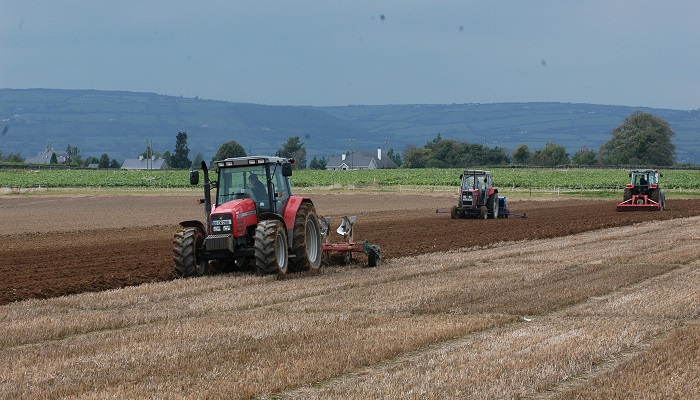
Michael Hennessy, Head of Crops Knowledge Transfer discusses priorities for spring planting, highlighting the urgency of sowing spring beans and wheat early and making cost-effective decisions in a challenging, wet season.
The weather has turned wet again and that will slow planting over the coming days. Land was just starting to dry and a good amount of ploughing had been done, so progress over the last fortnight has been encouraging. But there’s still a lot to do, and the most worrying point is that spring beans and spring wheat — both crops that benefit strongly from an early sowing — are not finished.
Key messages
- Prioritise spring beans planting first, then spring wheat. Both suffer most from late sowing.
- Spring beans typically take roughly six months from sowing to harvest — late sowing pushes harvest into unfavourable weather and can reduce yield.
- If beans slip into mid April or later, expect lower yields and a higher risk that planting the next crop in your rotation (eg. winter wheat) will be delayed. Think about rotation implications before you push on.
- Spring barley currently has relatively low returns — be careful with extra spend; only use inputs that give a clear return.
- Make the seedbed, seed quality and P&K right first. Good soil contact, correct seed depth and a firm but friable seedbed will pay off more than marginal extras.
Priority actions
Spring beans — protect yield and the rotation
- Aim to get beans in as early as conditions safely allow. The general rule of thumb is about six months from planting to harvest, so the later you sow the later and riskier the harvest.
- Avoid sowing beans into light land prone to drought
Spring wheat
- Spring wheat needs as long a spring as possible. Ideally it goes in up to mid March. We’re past that ideal window, so make it a high priority after beans. The later the sowing, the lower the yield potential and the later the harvest.
Inputs — where to spend and where to save
- Make no compromise on basic agronomy: seed quality, correct seed rate and depth, soil P & K levels and a good seedbed are nonnegotiable.
- Nitrogen: current guidance used on many farms is up to about 135 kg N/ha for spring barley; a higher total (eg 150 kg N/ha) should be reserved only for fields with a proven history of very high yields. Adjust to your field yield potential.
- Timing of herbicides, fungicides and trace elements matters — they give best value when applied at the right stage, not necessarily by applying extra products.
- Ask for each input: “Will this give a return?” Small costs add up quickly if repeated; in a low margin year only invest in items with clear benefit.
Practical checklist for wet conditions
- Do not work fields that are too wet. Save yourself from long term compaction damage.
- Roll and firm seedbeds if needed to ensure seed to soil contact after sowing, but avoid unnecessary trafficking.
- Prioritise spraying windows for preemergence or preplant herbicides where needed — timing beats extra rate.
- Talk with your adviser early if you face large areas staying unsown — consider alternative cropping or delaying parts of the rotation in a managed way.