
Protect suckler cow conception rates during drought
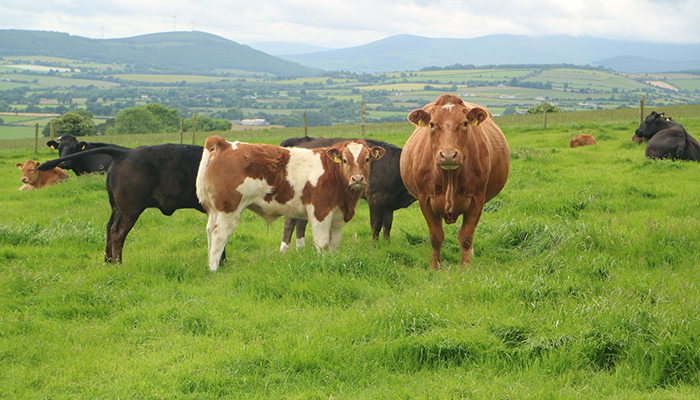
Martina Harrington, Manager of the Teagasc Future Beef Programme, discusses how drought conditions are coinciding with the suckler breeding season and outlines the practical steps farmers can take to maintain conception rates.
This is not the year to sacrifice the suckler cow
Early drought conditions have arrived at a critical point in the breeding season. Many spring-calving herds started breeding between mid-April and mid-May, with stock bulls generally left with cows for around 10 weeks.
Some cows have not yet been served, while others are only in the early stages of pregnancy. Traditionally, drought arrived later in the summer and the suckler cow was often restricted, while calves were offered creep feed. This year is different.
Where cows are accustomed to unrestricted access to grass and are suddenly faced with a major feed shortage in the days after breeding, conception rates can be halved. Maintaining feed supply throughout the breeding season is therefore one of the most important steps farmers can take to protect next year’s calf crop.
Restricting the cow during breeding could lead to more repeats, a longer calving spread and more empty cows at scanning.
Maintain feed intake
Do not wait until paddocks are bare or cows begin to lose body condition before taking action.
Where grass growth has slowed, introduce good-quality silage or hay early to reduce grass demand and extend the grazing rotation. Creep feeding calves can also reduce the nutritional demand on the cow while supporting calf performance.
Pay particular attention to thin cows and first-calvers. First-calving cows are still growing, producing milk and trying to go back in calf, so they are less able to cope with restricted feeding than mature cows.
The objective is not to put condition on cows during breeding, but to prevent a sudden drop in feed intake and rapid weight loss.
Take care when feeding bales or creep feed in fields. Keep a safe distance from cattle, avoid getting between cows and feed, and use suitable machinery and feeding equipment.
Check water supply and heat detection
A lactating suckler cow may drink 40–70 litres of water per day, with demand increasing during very hot weather or where cows are eating dry forage.
Check that troughs are filling quickly enough, water pressure is adequate and all animals can access water without excessive competition.
Very warm weather can suppress cattle activity. Where AI or activity monitors are being used, heats may be less obvious or missed. Observe cows during the cooler morning and evening periods and check activity alerts carefully.
Do not forget the stock bull
Check bulls regularly to ensure they are sound, active and serving cows. Excessive temperatures, even for a relatively short period, may affect developing sperm, with the impact potentially continuing for several weeks afterwards.
Bulls need unrestricted access to feed, clean water and shade where possible. Avoid unnecessary handling or moving cattle during the hottest part of the day.
Watch the entire herd
Cattle in Ireland are not accustomed to prolonged extremes of heat, so watch the entire herd closely. Check cows for sunburn on udders and teats, as soreness may make them reluctant to allow calves to suck and could increase the risk of mastitis.
The key message is simple: avoid a sudden feed shortage, maintain water supply and protect both the cow and the bull throughout the breeding season.