
Protect your flock: Have a biosecurity plan for new sheep
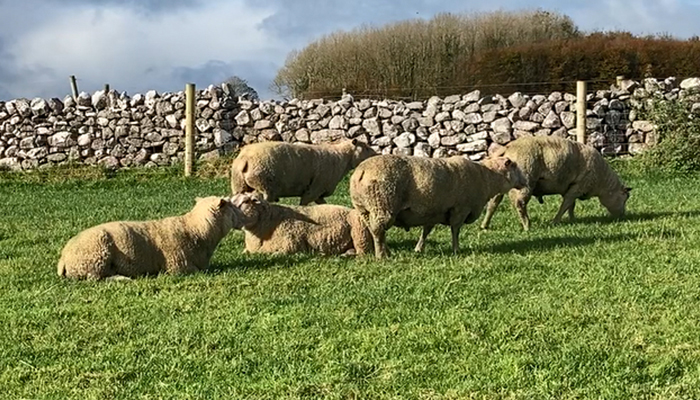
Every sheep entering or indeed re-entering the flock presents a potential biosecurity risk, Ciaran Lynch, Sheep Specialist at Teagasc, writes on the importance of following a biosecurity plan.
Late summer and autumn are busy periods for sheep movements. Rams are purchased ahead of breeding, replacement females are introduced, store lambs are traded, and sheep move through marts, breeding sales and shows. In some cases, animals may also return home unsold.
Every sheep entering or indeed re-entering the flock presents a potential biosecurity risk. While most appear healthy, they may carry diseases, parasites or resistant worms that are not immediately obvious. Having a simple quarantine plan in place is one of the most effective ways to protect the health, productivity and profitability of your flock.
Buy carefully
Good biosecurity starts before sheep arrive on the farm.
Where possible:
- Purchase sheep from as few source flocks as possible.
- Buy from flocks with a known health status and good flock management.
- Ask about vaccination programmes, lameness history and any recent disease issues.
- Avoid purchasing sheep that are lame, in poor body condition or showing any obvious signs of ill health.
Reducing the number of source flocks lowers the risk of introducing infectious diseases.
Isolate new arrivals
All purchased or returning sheep should be kept separate from the resident flock for at least 28 days.
This isolation period allows time to:
- Monitor animals for signs of disease,
- Complete any necessary treatments,
- Identify problems before they spread through the flock.
Where possible, use dedicated handling facilities, feed and water troughs for quarantined animals.
Lameness
Lameness remains one of the most common diseases introduced into flocks.
On arrival, sheep should be footbathed using a 10% zinc sulphate or copper sulphate solution, ensuring sufficient standing time in the footbath. While this can help control scald and mild footrot infections, it also makes it easier to identify more serious conditions such as footrot or Contagious Ovine Digital Dermatitis (CODD).
Any lame sheep should be isolated immediately and examined. Work with your veterinary practitioner to establish the correct diagnosis and treatment plan. Do not mix affected animals with the resident flock until they have fully recovered.
Stomach worms
Purchased sheep can introduce stomach worms that are resistant to commonly used anthelmintics. Once resistant worms become established on a farm, they are extremely difficult to remove, making quarantine treatment an important part of flock biosecurity.
Current recommendations are to administer an effective quarantine drench using one of the newer anthelmintic groups, such as 4-AD (monapantel; Zolvix), together with a second effective drench from a different wormer group, either:
- 2-LV (levamisole – yellow drench), or
- 3-ML (macrocyclic lactone – clear drench).
The two products should be administered separately and never mixed together.
Following treatment:
- Keep sheep housed or securely confined off pasture for approximately 48 hours (a minimum of 24 hours where housing is not possible).
- Afterwards, move them onto contaminated (‘dirty’) pasture rather than clean grazing. This allows any surviving worms to be diluted by the susceptible worm population already present on the farm, helping to slow the development of resistance.
As Zolvix is a Prescription Only Medicine (POM), it should be obtained through your veterinary practitioner.
Liver fluke
Liver fluke risk depends on both the farm of origin and the time of year.
Discuss the risk with the seller where possible and, if treatment is required, choose a product that is effective against the stage of fluke likely to be present. Veterinary advice may be required to select the most appropriate product.
External parasites
External parasites such as sheep scab and lice can spread rapidly once introduced into a flock.
Where infestation is suspected, the preferred option is to plunge dip the entire group using an approved product and following the correct dipping procedure. Every sheep should remain immersed for at least 60 seconds.
Where only small numbers of sheep are being purchased, such as rams, plunge dipping may not be practical. In these situations, an injectable macrocyclic lactone may provide an alternative for sheep scab control, provided the correct treatment protocol is followed.
Remember that organophosphate dips should not be used within 14 days of administering a levamisole drench.
Vaccination
Purchased sheep should be incorporated into the flock vaccination programme as soon as practical.
Depending on the enterprise, this may include:
- Clostridial and Pasteurella vaccination.
- Enzootic abortion vaccination in replacement breeding females.
- Toxoplasmosis vaccination where appropriate.
Ensure sufficient time is allowed for immunity to develop before animals are exposed to disease challenge.
Quarantine cannot eliminate every risk
While quarantine is an essential part of flock biosecurity, it cannot prevent every disease from entering a flock. Some conditions, often referred to as ‘iceberg diseases’, can remain hidden for months or even years before clinical signs become apparent.
Diseases such as ovine pulmonary adenocarcinoma (OPA), Johne’s disease and maedi visna may not be detectable at the time of purchase or during the quarantine period.
For this reason, ongoing monitoring of purchased animals is essential even after they have joined the main flock. Farmers should investigate signs such as poor performance, chronic weight loss, persistent respiratory problems or unexplained deaths promptly with their veterinary practitioner.
Early investigation can help identify problems before they become established within the flock and impact animal performance.
Remember the wider biosecurity risks
Not all disease risks arrive with purchased sheep. Visitors, contractors, shared trailers, handling equipment and borrowed machinery can all contribute to disease spread.
Small changes can significantly reduce disease transmission between farms, simple measures include:
- Providing disinfectant facilities for visitors,
- Cleaning and disinfecting trailers and equipment before use,
- Avoiding unnecessary sharing of livestock equipment.
Have a plan
Effective biosecurity starts before new sheep arrive on the farm. Have your quarantine facilities prepared in advance, with suitable isolation pens, feed and water available and sufficient supplies of the necessary wormers, vaccines and other treatments on hand. Planning ahead means newly purchased sheep can be managed correctly from the moment they arrive, avoiding unnecessary delays that could increase disease risk.
Even the most thorough quarantine programme cannot eliminate every disease risk. However, a thorough biosecurity plan greatly reduces the likelihood of introducing serious diseases and resistant parasites into the flock.
Work with your veterinary practitioner to develop a quarantine protocol suited to your own farm and apply it consistently whenever sheep are purchased or return to the holding.
Protecting flock health begins before new sheep join the flock, but maintaining good observation and monitoring afterwards is equally important. Good preparation, effective quarantine and ongoing vigilance are all essential to safeguard the long-term health, welfare and performance of your flock.