
04 June 2025
Recap: Does seasonality affect how much methane an animal produces?
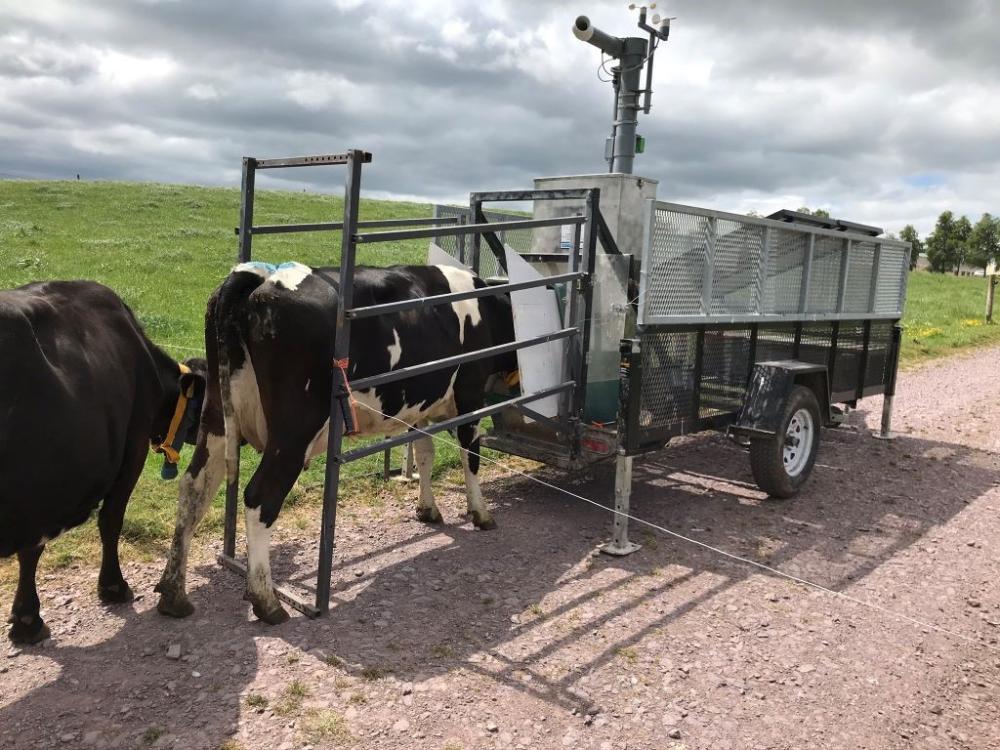
In a recent Teagasc x NZAGRC webinar, researchers from Teagasc and New Zealand presented their latest findings on the effect of seasonality on methane production by grazing dairy cows.
Understanding these methane emissions is important for accurate accounting of agricultural greenhouse gas emissions. Determining how the stage of lactation and pasture species, management and seasonal growth effect base methane emissions, and how these factors influence cows’ responses to methane reducing technologies, is the focus of research in Ireland and New Zealand.
The latest NZAGRC x Teagasc webinar featured Ben Lahart from Teagasc and Jane Kay from DairyNZ presenting their latest research on the topic.
Watch a recording of the webinar below:
About the NZAGRC-Teagasc relationship
The NZAGRC and Teagasc have committed to ongoing collaboration, information sharing and supporting research and capability building to build stronger, more connected work programmes that deliver globally applicable solutions for farmers and growers.
About the NZAGRC
The NZAGRC was created in 2009 to build on existing research, partnering with others to bring cost-effective, simple solutions to New Zealand farms and contribute world-leading results to the international science community. New Zealand is a world leader in research aimed at quantifying and mitigating agricultural greenhouse gas emissions, the NZAGRC is at the centre of this effort and works internationally to share knowledge and expertise.
About the Teagasc Climate Centre
The Teagasc Climate Centre is a virtual centre to co-ordinate agricultural climate and biodiversity research and innovation across Teagasc. It focuses on the development and implementation of technologies to reduce greenhouse gas emissions and enhance biodiversity. The Climate Centre supports and facilitates the Irish agriculture sector to meet its commitments in reducing greenhouse gas emissions and restoring biodiversity.