
Reducing N inputs with multi species swards
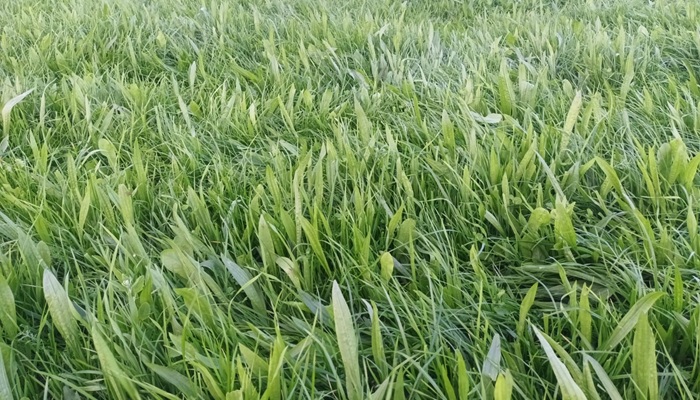
With fertiliser prices rocketing over the last number of weeks, many people are looking to improving resilience of their grassland systems to such market shocks, Mark Plunkett and John Finn, Teagasc Johnstown Castle, delve into some of the benefits of multi-species swards.
Climate change is now a real issue resulting in more extreme weather events such as hotter summers and wetter winters. Multi‑species swards are adding diversity and resilience to grass swards by the addition of clovers and herbs. This simple, low‑technology reduces our dependence on more bought-in inputs such as fertiliser nitrogen (N). At the same, it can improve soil health and provide livestock a healthy forage with higher levels of essential minerals.
Why it’s worth trying
- A more reliable forage in difficult years as deep‑rooted herbs (chicory, plantain) and drought‑tolerant grasses keep production up in dry spells and bounce back faster.
- Lower input costs – clovers fix nitrogen and reduce reliance on imported chemical N fertilisers. Trial work would indicate that fertiliser N can be reduced by up to 50% for intensive grazing systems.
- Healthier animals- mixed swards give more minerals and contain plant compounds that help reduce parasite burdens.
- Better soil health – more organic matter, better soil structure and water utilisation during extreme weather events such as summer droughts.
Quick, practical plan to get started:
- If you are unsure, start small. For example, select a field planned for reseeding. Ensure soil fertility is good with a soil pH 6.5+ and P & K at Index 3. Control problem weeds such as docks and thistles prior to sowing as weed control options are limited in multi-species swards.
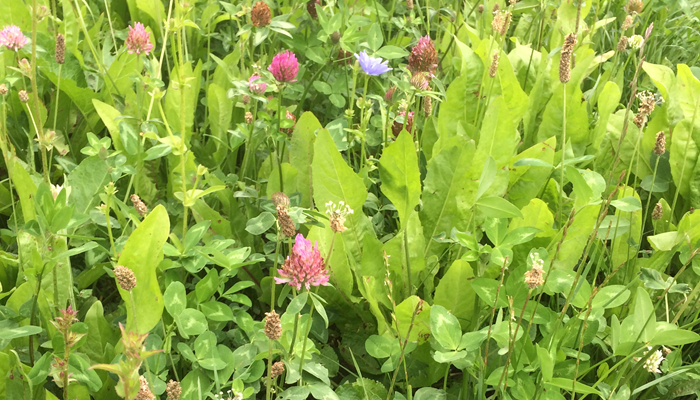
- Contact your local seed supplier and select a 6 species mix (include grass mix – ryegrass and drought tolerant tall fescue/cocksfoot if in a drought-prone field or area, red clover, white clover, plantain and chicory).
- Sow between April to August when soil conditions are favourable, for example soils are warm and moist.
- Sow shallow (1–1.5 cm), in a fine, firm seedbed and protect seedlings. Graze to 4cm after reseeding to allow light to the base.
- Apply 30kgN/ha and recommended P & K based on recent soil analysis at sowing time.
- Manage to maintain sward productivity. For example, keep a 6–7 cm residual height, use rotational grazing and avoid continuous sheep grazing if you want to keep herbs and clover.
Addressing common concerns
- Seed costs are higher as mixes tend to be more costly compared to a standard ryegrass blend. Multi-species sward often pays back through less fertiliser, steadier yields, better animal performance and lower vet bills.
- Start with one field with a simple mix and learn what works best for your farm and soils and how to manage grazing livestock or cutting for silage.
- Persistency of chicory can be an issue on some farms, stitch in or over-sowing – if needed – after a number of years.
Multi‑species swards are a practical, proven step to make your farm more resilient, profitable and sustainable. Try a field this year, watch how it performs and scale up from there to help sustain season long grass production. Talk to your seed supplier or local advisor now to pick a mix and plan your sowing window to future proof you farming business to global price shocks while reducing our dependence on chemical N fertilisers.
Further insights on multi-species swards
If you are interested in establishing multi-species swards on your farm, this week’s Signpost Series webinar is a must.
Taking place on Friday, April 17 at 9.30am and featuring guest speaker Brendan Horan, Teagasc, the webinar will focus on MultiMilk: impacts of sward species diversity on the performance of spring calving grazing dairy systems.
To register and to find out more about the Signpost Series, visit here.