
Maintaining a low somatic cell count (SCC) is one of the most important aspects of milk quality and overall herd health. In this article, Padraig O’Connor shares some key tips on reducing SCC in late lactation.
SCC provides a direct indication of udder health and the level of infection in the udder. High SCC levels not only reduce milk yield and quality but can also result in milk price penalties, higher treatment costs, and long-term production losses.
In dairy cows, high SCC is typically caused by bacteria entering the teat canal, leading to mastitis. During late lactation, SCC often begins to rise on some farms, thereby reducing milk yield, and increasing the risk of spreading infection.
So, what can dairy farmers do to mitigate SCC rises in late lactation and prepare cows for a healthy dry period?
The “big-ticket” items for controlling mastitis in your herd, regardless of the time of year, are:
1). Routine Milk Recording and Acting on the Results
- Regular milk recording identifies problem cows and quarters early (minimum of 4, optimum of 6 per year)
- Promptly act on results – segregate, treat, or cull where necessary.
2). Milking Machine Maintenance
- Ensure the milking machine is serviced regularly and working correctly.
- Poorly functioning milking machines can damage teat ends, increasing the risk of infection.
3). Good Milking Routine
- Cows should be clean before milking.
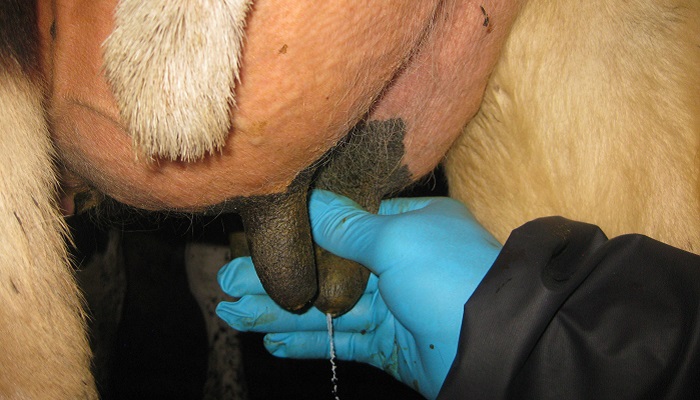
- Use nitrile disposable gloves to reduce bacterial transfer.
- Post-milking teat spraying with the correct volume (15 ml per cow per milking) ensures teat skin health and helps reduce infection.
4). Changing Liners
- Replace liners every 2,000 milkings or every 6 months (whichever comes first).
- Worn liners compromise teat health and harbour bacteria.
Additional measures for late lactation
While the big-ticket items are a given, additional measures become particularly important in late lactation:
Segregating Cows
Milk clinical mastitis and high-SCC cows last to avoid spreading infection to healthy cows if practical.
Culling Chronic Cases
Persistently infected cows are a continuous source of infection and also spreading infection. These need to be culled to improve long term herd health.
Cluster Hygiene Between Milking Cows
Dip clusters in a peracetic acid solution (3 ml per litre of water) after milking a high-SCC or mastitis cow. This will help break the infection cycle and reduce cross-contamination risk.
Use of Automatic Drafters
Draft out high-SCC cows and milk them last if an automatic drafter is in place.
Quarter Testing
Use the California Mastitis Test (CMT) to identify high-SCC quarters. Options include targeted antibiotic treatment (in consultation with a vet) or drying off the quarter.
Cluster Flush Systems
Consider installing cluster flush or cleanse systems for persistent SCC problem herds. These systems wash and disinfect each cluster after each cow is milked, thereby reducing bacterial transfer.
Culture & Sensitivity Testing
Collect sterile milk samples from infected quarters for lab analysis to identify the bacteria type and the appropriate antibiotic of choice for both lactation and dry cow therapy
Conclusion
Reducing SCC in late lactation requires a combination of consistent best practices and targeted interventions. By maintaining strict milking hygiene, identifying and managing high-SCC cows and preparing cows properly for the dry period, farmers can break the infection cycle, improve herd health and protect milk quality.
SCC management is not just about treating mastitis—it is about prevention, consistency and attention to detail. Farms that invest in these measures see long-term benefits in both profitability and animal welfare.
More from Teagasc Daily: Weigh your 2025 heifer calves
More from Teagasc Daily: EBI changes explained