
Reducing the incidence of disease on sheep farms
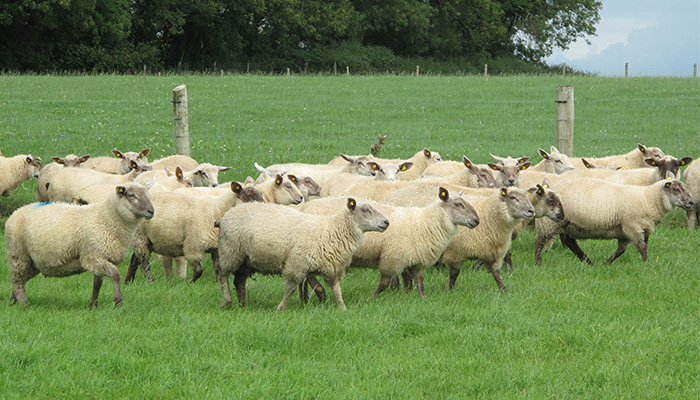
Effective flock biosecurity protects animal health, cuts antibiotic use and saves money, Teagasc Advisor, Eamonn Dempsey tells us more about its importance.
Once a farmer purchases and introduces sheep to their existing flock, there is a risk of introducing disease, parasites or anthelmintic resistance. We know the risks of introducing infective diseases, so how do we minimise the risk?
Farmers selling sheep must take responsibility that they are healthy, disease free and be open and honest about the health status of their flock. All farmers purchasing sheep must have a good biosecurity programme, which is aimed at minimising the risk of buying in a disease; operate a closed flock if possible.
A closed flock will need effective boundary fences for biosecurity to prevent contact with neighbouring or straying stock that may have disease. Have one point of entry to the farm for visitors, provide PPE, facilities for cleaning and disinfectant.
Ideally, farmers should aim to keep their own replacements and reduce the number of flocks they buy from.
Purchased sheep should be plunge dipped with an approved sheep dip for the control of scab, lice, Keds and ticks, and vaccinated with a clostridial and Pasteurella vaccine.
Diseases such as sheep scab or other notifiable diseases, if suspected or confirmed, must be notified to the Department of Agriculture, Food and the Marine in accordance with the regulations.
Quarantine plan
Work with your vet to develop a practical quarantine plan for all purchased sheep to minimise the risk of introducing new health issues to the flock.
The big concern for farmers is the introduction of abortive agents e.g. enzootic abortion. The sheep carrying this infective agent can look perfectly healthy but will abort at a later date and spread this disease to other sheep in the flock.
It is advisable for farmers to vaccinate purchased sheep against enzootic abortion and have an enzootic abortion vaccination programme, if regularly buying in replacements.
Quarantine drenching is essential to help prevent the spread of resistant stomach worms, using recommended treatments under veterinary guidance. Conducting a drench test over the coming months is an important way of checking that worm treatments remain effective.
Sheep which are treated should not be sold until back to full health and always obey the withdrawal periods on treatment products.
Newly purchased sheep should be isolated for at least 28 days and foot bathed to reduce the risk of lameness problems such as foot rot or CODD.
Rams go through a rigorous selection process so they should be fit and healthy upon introduction to the flock, but quarantine and further observation is advisable.
A flock health plan is central to a good biosecurity programme for the management of sheep over the year, bringing health issues and parasites to the farmer’s attention.
Eamonn Dempsey is a Drystock Business and Technology Advisor in Teagasc Tralee.