
Reminder: Poultry housing order in place
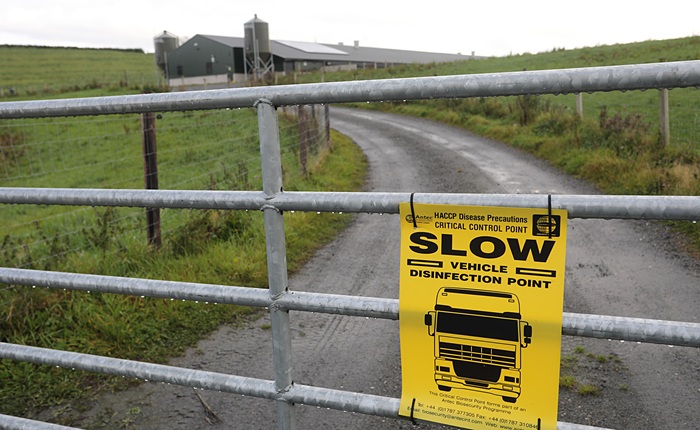
To help protect against the avian influenza risk, poultry keepers are reminded that a poultry housing order took effect on Monday, November 23, 2026.
The compulsory housing order pertains to poultry and captive birds, and was announced by the Minister for Agriculture, Food and the Marine, Martin Heydon TD, on November 20, 2026.
Announced against the backdrop of an increasing risk of avian influenza, Minister Heydon enacted the order “to reduce the threat to our poultry industry and to our farmers’ livelihoods”.
“From Monday 23 November, poultry and captive birds must be housed or confined in such a manner that they do not have access to other poultry, captive birds, or wild birds. Reducing the opportunity for contact with potentially infected wild birds is a critical protective measure, as this is one of the main ways in which the virus can spread,” Minister Heydon said at the time of the announcement.
The Minister also emphasised the importance of biosecurity: “Biosecurity remains the single most effective way to prevent the virus spreading from wild birds into poultry, or between poultry flocks. All those who are poultry or kept bird owners, regardless of flock size, must take strict precautions and exercise the highest standards of biosecurity to protect their flocks from the threat of avian influenza, and to protect the poultry sector in Ireland.”
The poultry housing order is just one of the measures, along with strict new biosecurity measures, introduced in response to the increased risk posed to Irish poultry flocks by the presence of avian influenza virus in wild birds in Northern Ireland and increasing outbreaks of avian influenza in poultry flocks across Great Britain.
The Department of Agriculture, Food and the Marine has also advised members of the public not to handle sick or dead wild birds, and to report any episodes of sick or dead wild birds on the Avian Check app.
Poultry and captive bird owners are reminded to remain vigilant for signs of disease and to report any clinical signs to their Regional Veterinary Office or, if outside business hours, to contact the National Disease Emergency Hotline on 01 492 8026.