Rising crop costs putting pressure on cash flow
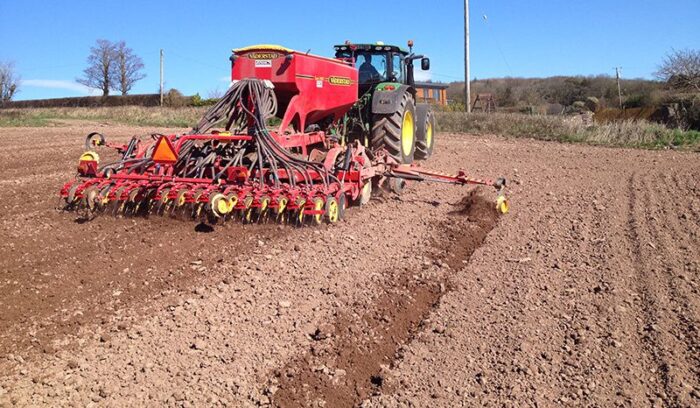
The cost of growing a spring barley crop has increased by more than 40% since 2021. The biggest increase in costs have come from fertiliser and machinery costs, but increases have come across all inputs and this is increasing pressure on tillage farmers. Given the significant increase in costs, Teagasc Crops Specialist, Ciaran Collins writes on the importance of planning for the season ahead to manage cash flow.
In Teagasc’s 2021 Costs and Returns figures, CAN+S was priced at €235/t. For 2027, CAN+S is projected to cost more than €500/t. At today’s input costs, there is little margin for error, put simply, there is no room for a poor crop.
Nearly half of the tillage area for the 2027 harvest is already in the ground. Farmers will now be planning how to fund the season and manage cash flow. Once a crop is planted, the costs are committed. According to the BISS crop areas, very little land is ever left fallow so most land will be cropped.
More capital needed to grow the same area
In 2021, €50,000 would have covered the cost of growing 122 acres of spring barley. Based on current projections for 2027, the same amount would cover just 86 acres, 30% less.
A beef farmer facing higher costs might choose to find the extra money to buy the same number of cattle or buy fewer cattle. Tillage farmers face a different choice. If they intend to sow the same area, they must find the additional capital to do so. That can create significant cash flow pressure.
Start the conversation early with your bank and agri merchant. Seasonal or stocking loans are generally the cheapest source of finance. It is also worth talking to your agri merchant, as some offer fertiliser deals and flexible payment terms.
Paying up front can often secure a better price, and merchant credit can be expensive. However, land, machinery and other farm costs must also be paid for so there is a delicate balance to be struck. A cash flow budget can help you balance these demands and decide how much working capital you’ll need and when you’ll need it.
Use the Teagasc Crops Costs and Returns or better again use your own records to calculate how much finance you’ll need for the coming season. The next step is to put the sources of finance in place, starting with the cheapest.
Get help with budgeting and machinery costs
In the coming weeks, Teagasc advisors will host ‘Money Matters’ financial workshops. The workshops will cover the basics of understanding farm accounts and preparing a cash flow budget for the coming season.
A second part of the course will focus on machinery costs. Participants will use the Teagasc machinery costs calculator to estimate machinery costs on their farm, calculate cash costs for the coming season, and assess how machinery changes affect both cash flow and overall machinery costs.
Contact your local Teagasc tillage advisor for details.
Click here to express and interest in attending a Teagasc Money Matters Course.