Safe farming over the next few months
As autumn and winter bring shorter days, colder temperatures and more challenging ground conditions, Vincent Ronayne, Drystock Advisor, Teagasc Claremorris, urges farmers to put safety first and prepare carefully for the months ahead.
Autumn and winter are among the busiest and most demanding periods on Irish farms. From livestock management, slurry handling, machinery maintenance, fencing and preparing for poor weather, farmers face a wide range of hazards. Wet and slippery conditions, reduced daylight and unpredictable weather can all increase the risk of serious accidents.
Machinery
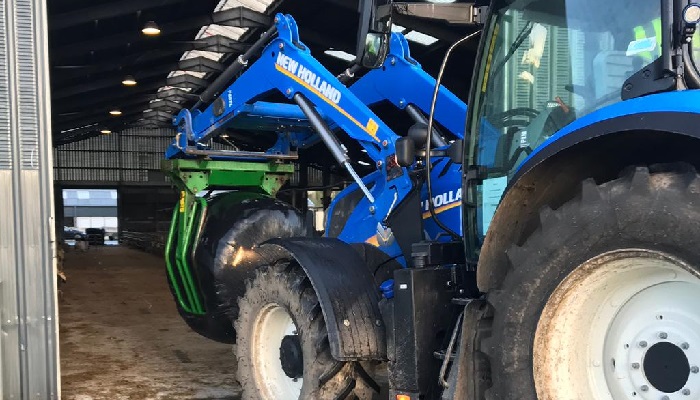
One of the most important areas of farm safety during the colder months is machinery. Tractors, loaders, trailers and other agricultural equipment are often working in difficult conditions, sometimes on steep or wet ground. Before using machinery, farmers should carry out basic checks to ensure brakes, lights, tyres and safety guards are working correctly. Machinery should only be operated by people who are competent and properly trained.
Particular care should also be taken when working around PTO shafts and other moving machinery. Guards must remain securely in place and machinery should always be switched off before attempting to clear blockages or carry out maintenance.
Slurry management
Slurry management is another major seasonal hazard. While slurry storage will be taking place from now and spreading slurry will only commence for some in early spring, it is important to take care handling slurry, as slurry gases can be extremely dangerous.
Farmers should never enter slurry tanks and should never take unnecessary risks around agitation. Buildings should be well ventilated, and children and animals must be kept away from areas where slurry is being mixed or agitated. Farmers should also ensure that anyone working with slurry understands the dangers before work begins. There are now electronic Gas Sensors available to give an early warning.
Livestock handling
Livestock handling requires particular attention during the winter months. Cattle can become unpredictable, particularly when stressed or when calves are present. Handling facilities should be inspected regularly, with gates, crushes and pens maintained in good working order. Farmers should avoid entering enclosed areas with livestock unless it is necessary and safe to do so.
Weather conditions
Weather conditions can also create significant risks. Heavy rain can leave yards, roadways and fields extremely slippery, while frost and ice can make ordinary farm tasks hazardous. Farmers should ensure that frequently used walkways and working areas are kept as clear and safe as possible. Adequate outdoor lighting is particularly important as daylight hours become shorter.
Visibility
Visibility is a key concern during winter. Farmers working near public roads should ensure that tractors and other vehicles have clean, functioning lights and appropriate visibility markings. Drivers should be aware that mud on roads can create a danger for other road users. Where farm activity results in mud being deposited on public roads, it should be dealt with promptly and appropriate warnings provided where necessary.
Personal wellbeing
Personal wellbeing should not be overlooked either. Long working hours, wintry conditions and pressure during busy periods can contribute to tiredness and poor decision-making. Farmers should take regular breaks, dress appropriately for the weather and avoid working alone when carrying out particularly dangerous tasks.
A simple emergency plan can also save valuable time in the event of an accident. Families and farm workers should know where first-aid equipment is kept and how to contact the emergency services. Farm access points should be clearly identifiable so that emergency responders can reach an incident quickly.
Your farm’s safety arrangements
Autumn is also an ideal time to review the farm’s overall safety arrangements. Damaged buildings, gates, fencing, electrical equipment and machinery can be repaired before winter weather makes the work more difficult. Taking time now to identify potential hazards can prevent accidents later.
Farm safety is not simply about following rules; it is about creating a culture where everyone on the farm takes responsibility for their own safety and the safety of others.
As Ireland heads into another autumn and winter, careful planning and sensible precautions can help farmers manage the season’s challenges while reducing the risk of injury. A few extra minutes spent checking equipment, assessing conditions and planning a task can make all the difference.
Safe farming starts with taking the time to stop, think and act safely.
Vincent Ronayne is Drystock Advisor working in the Teagasc Mayo Advisory Region.