

Edited By
Damian Costello
Sheep Specialist
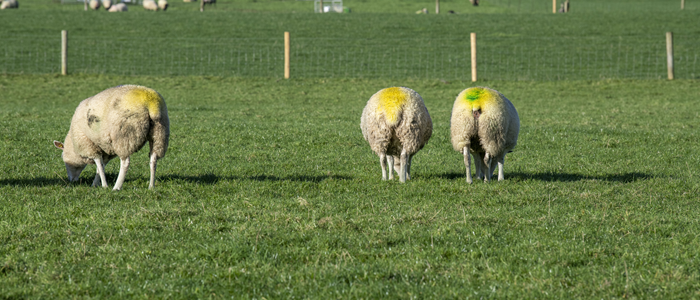
From complying with sheep schemes, monitoring mating progress, grassland management and the importance of adequate treatment for liver fluke, Teagasc Sheep Specialist, Damian Costello shares management notes for the month ahead.
Grassland management
November’s aim is to continue to clean off pastures to a cover of 4.0cm. This allows light to get to the base of the sward, thus encouraging tillering and ensuring good quality spring pastures.
The exceptional grass growth since the dry spell has left many farms dealing with heavy covers. Using temporary electric fencing to allocate 3-4 day grazing blocks is good practice in this case.
Merging mating groups after the first cycle may also be an option, aiming to get paddocks grazed out quicker whilst limiting any negative impact on ewe reproductive performance.
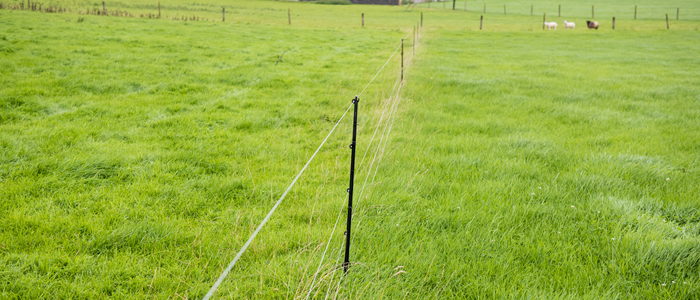
Once paddocks are closed, they should remain closed as a high proportion of winter grass growth generally takes place in October and November. The target should be to rest fields for 120 days, allowing them to build grass covers.
The first paddocks closed should be the ones you aim to be turning out ewes and lambs to first in the spring.
An example of a closing plan for a March-lambing flock would be to close 20% of farm by late October, 40% by mid-November, 60% by end of November and 80% by mid-December. The remainder would then be closed in late December / early January.
Keep a close eye on mating progress
Last month’s notes advised on raddling the ram and it is important to follow this task through to the end of the breeding season.
The raddle colour should be changed at least every 14 days, starting with lighter colours. After the first cycle, watch closely for over marking of the initial raddle mark – 15% or more repeats are indicative of ram infertility / sub-fertility issues.
There is potential to join groups of ewes up at this stage, as less ram power will be generally required to cover repeats.
Remove any ram where you suspect a fertility problem as well as rams with any physical issue. Ram lambs should ideally be rested after about three weeks of mating to avoid putting them under too much pressure in their first season.
When rams are removed from the ewes at the end of breeding, they should be placed on a high plane of nutrition to regain body condition lost during mating. Ensure concentrate supplementation contains ammonium chloride and is suitable for feeding to rams.
Liver fluke
The Department of Agriculture, Food and the Marine (DAFM) issue a fluke forecast annually, usually in mid-November, based on weather data for the year as well as using information from slaughter plants.
It is important not to be lulled into a false sense of security on liver fluke infection on the back of a relatively dry summer. There have been some reports of factory feedback indicating the presence of liver fluke in slaughtered lambs and cull ewes.
If this feedback can be obtained from abattoirs, it is the best indicator of where your farm is at in relation to liver fluke infection.
When treating for liver fluke, the critical thing to get right is using a product that kills the stage of fluke that is likely to be present – immature fluke at this time of year.
Flukicides containing triclabendazole targets all stages of fluke but there are well documented resistance issues. As always, it is important to be cognisant of withdrawal periods, particularly if treating animals that are intended for slaughter in the short term. If unsure, seek veterinary advice to devise a farm specific control programme.
Sheep schemes compliance
In recent times, DAFM has been carrying out both on-farm inspections and administrative checks for both the Sheep Improvement Scheme (SIS) and the National Sheep Welfare Scheme (NSWS).
For those participating in both schemes, a combined payment of an estimated €25 per eligible ewe is available again this year.
Ensure you are compliant and avoid penalties by completing your chosen tasks for each scheme by the relevant deadline. Fill in details on the relevant scheme record sheets and retain any necessary documentation that reflects the completion of actions. Seek help from your advisor if you are unsure about any aspect of the sheep schemes or with completion of the paperwork.
Preparation for winter housing
On farms where sheep are housed for a period over the winter, now is a good time to get your sheep housing ready. A few things to consider include:
- Ensure sheep housing is thoroughly cleaned out well in advance of planned housing date, allowing sufficient time for the environment to dry out fully
- Check feed barriers, pen dividers, gates, latches and carry out repairs as necessary
- Carry out any necessary modifications such as providing extra trough space, additional pen divisions or measures to improve ventilation
- Clean out water troughs and check for any leaking pipes and fittings – the optimum height for drinkers is 600mm from floor level
- If there are any issues with lighting or power sockets, have your electrician check them out
OviCast Podcast
Presented by Ciaran Lynch, the Teagasc OviCast podcast brings you the latest advice, insights and technical updates for the sheep industry. Listen to episodes below: