
Six Steps to Protect Dairy-Beef Cattle’s Performance During Dry Weather
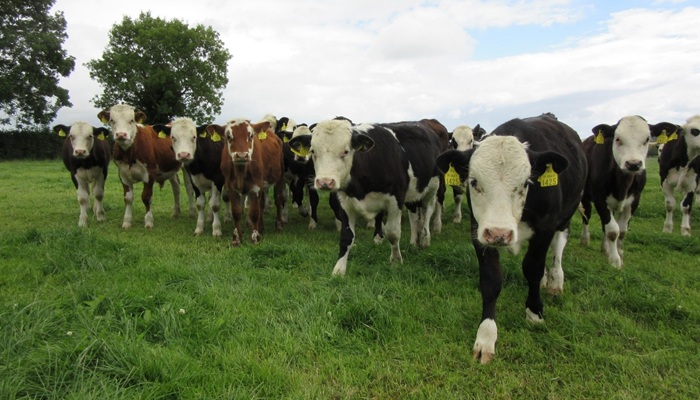
The current spell of prolonged dry weather has significantly reduced grass growth on many farms, particularly across the south and south-east of the country. While grass supplies remain adequate in other regions, some farmers are already supplementing cattle at grass with silage and concentrates. Gordon Peppard, DairyBeef 500 Programme Advisor, shares his top tips to protect performance during dry weather.
The key over the coming days and weeks is to continue to act early. Protecting grass supplies, maintaining animal performance, and making timely management decisions now will leave farms in a much stronger position for the remainder of the grazing season.
- Check water daily – Reduced water intake quickly reduces feed intake and liveweight gain.
- Know your grass supply – Walk the farm every 4–5 days and identify deficits early.
- Supplement before performance drops – Introduce silage and/or concentrates before cattle lose condition or performance.
- Prioritise younger stock – Reserve the best grass for first-season calves.
- Protect the grazing platform – Avoid overgrazing now, allows quicker recovery when rain returns.
- Review finishing plans – Housing or selling heavier cattle may reduce grazing demand where grass shortages become severe.
1. Keep an Eye on Water Supply
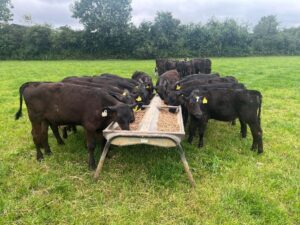
Water is an important nutrient for grazing cattle, and demand increases significantly during hot weather. Growing cattle can drink between 40 and 70 litres per day, while larger finishing cattle require even more. Reduced water intake quickly leads to lower feed intake and poorer liveweight gains. Check that water troughs are clean, fill quickly and adequately. Walk paddocks regularly to identify leaks or empty troughs, as even short periods without access to water can affect animal performance.
2. Know Your Grass Supply
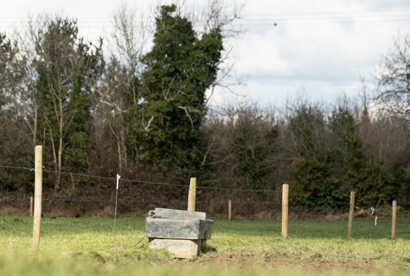
With grass growth slowing or stopped in some areas, it is essential to know exactly how much grass is available on the farm. Walk the farm ideally every four to five days, monitor farm cover and identify potential deficits early. Avoid grazing paddocks too tightly (not less than 4 – 4.5cm), as this will slow regrowth once rainfall returns. Where possible, extend the grazing rotation out to at least 30 days by introducing silage and/or concentrates at grass. If grass demand continues to exceed supply despite supplementation, additional measures such as housing finishing cattle or reducing stocking rate by selling some stock may be required.
3. Supplement Before Performance Drops
Don’t wait until cattle begin to lose condition before introducing supplementary feed. Feeding concentrates (build up slowly) or good-quality silage before grass becomes limiting will help maintain liveweight gain while reducing pressure on the grazing platform. Prioritise the best-quality grass for first season calves, as any setback in growth at this stage can be difficult and expensive to recover. Where possible, weigh cattle and regularly assess performance so any reduction in growth is identified early.
4. Review Finishing Plans
On farms where grass is very tight, housing heavier cattle for the final finishing period can be an effective way of reducing grazing demand while allowing the best grass to be reserved for younger stock with the greatest growth potential. However, where winter forage supplies are also under pressure, it is worth reviewing whether selling cattle live may be the more profitable option. This decision should be based on current live prices, expected finishing costs, projected carcass value and the availability of winter feed on the farm.
5. Minimise Heat Stress
During periods of high temperatures, cattle spend more time standing, graze less and growth rates can suffer. Where possible, avoid gathering, transporting, or handling stock during the hottest part of the day. If cattle must be moved or dosed, aim to do so early in the morning or later in the evening. Providing access to shade where available, together with a constant supply of clean drinking water, will help minimise the effects of heat stress. Warm, still conditions can also increase fly activity, reduce grazing time, so monitor cattle and implement fly control where necessary.
6. Think Ahead
Dry weather can change quickly, but relying on the next rainfall is not a good plan. Continue to monitor grass covers, review silage stocks, and feed concentrate/fodder stretcher type rations where required. If dry conditions persist, identify options early to reduce grazing demand, whether through housing, selling cattle live or adjusting supplementation. Planning ahead provides more flexibility and helps avoid rushed decisions later.