
Soil Health Week: Assess your soil health
Conducting regular soil analysis is a critical part of soil management on any productive farm system and provides the fertility profile, including soil pH and nutrient status. But, as Teagasc Soil and Nutrition Specialist, Veronica Nyhan explains, assessing soil health means looking beyond the chemical results.
A healthy soil needs to be in good physical, chemical and biological condition. Taking some time to look at the soil itself can help identify problems with structure, rooting, drainage or biological activity and determine whether management needs to change.
Start with a spade. Pick an area where the crop has performed well and compare it with a poorer-performing area, headland or regularly trafficked part of the field.
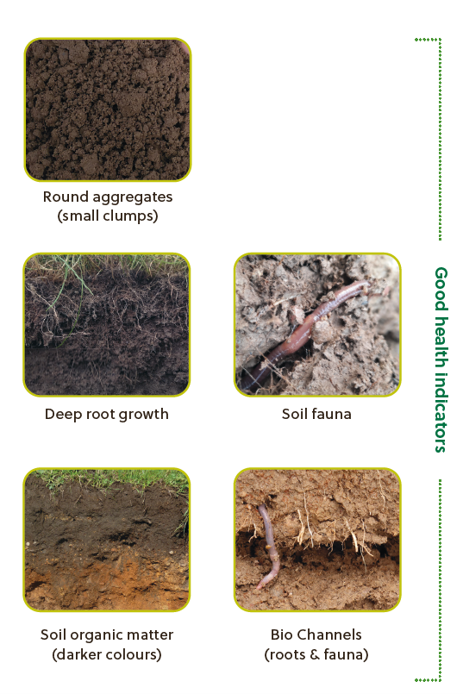
Look at how easily the soil breaks apart. Small, rounded aggregates, good pore space and unrestricted rooting are positive signs. In contrast, large hard aggregates, restricted rooting, dense compacted layers or standing water after rainfall can indicate structural problems.
Don’t just look at the surface. Where problems are suspected, dig deeper. Compaction or a restrictive layer can occur below the topsoil even where conditions at the surface appear good.
Much of the life in soil is microscopic and measuring the full range of soil biodiversity generally requires specialist laboratory analysis. However, there are useful indicators that can be assessed in the field.
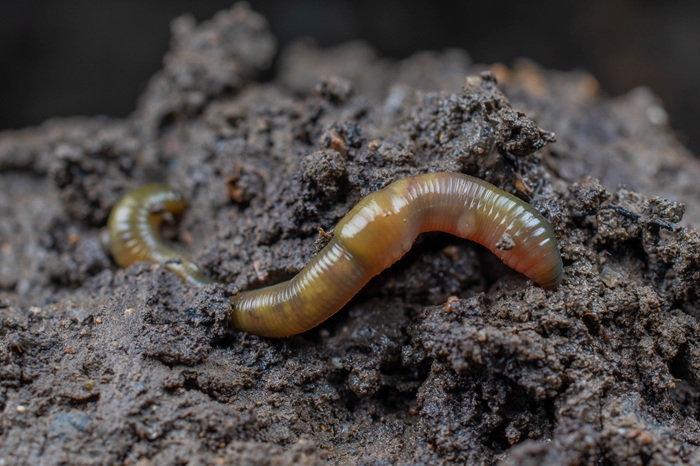
Look for earthworms and other soil organisms, earthworm casts and channels, good root development and how quickly organic material breaks down. Earthworm numbers can also be compared between fields or between areas under different management. Simple tests such as the cotton underwear decomposition test can provide an indication of biological activity by measuring how much cotton is broken down over a set period.
The important point is not to measure soil health for the sake of producing a score. Use the assessment to identify what may be limiting the soil and whether management needs to change.
A soil test provides an important part of the picture. A spade, some observation and a few simple assessments can tell you much more about how that soil is functioning.
Teagasc Soil Health Week
Teagasc will host Soil Health Week from next Monday, 21 September to Friday, 25 September, highlighting the importance of healthy soils for sustainable agriculture, food production and the wider environment. Soil Health Week will bring together farmers, advisers, researchers, students and members of the public through a programme of farm walks, school events, practical demonstrations, workshops and online activities.