
Soil Health Week: Know your soil
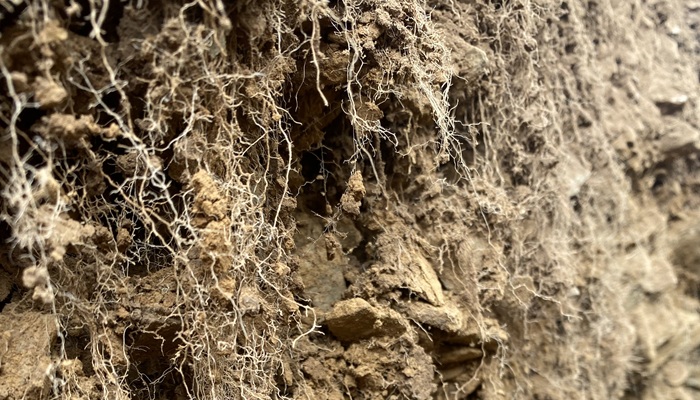
Irish soils are remarkably diverse. More than 200 different soil types occur across the country, and it is common to find several soil types within the same farm, or even within a single field. As part of Soil Health Week, Teagasc Soil and Nutrition Specialist, Dr. Veronica Nyhan explains how different characteristics, strengths and vulnerabilities influence how it should be managed.
One of the most important characteristics to understand is soil texture, the relative proportions of sand, silt and clay. Texture is largely determined by the material from which the soil formed and, unlike soil structure, generally cannot be changed through management.
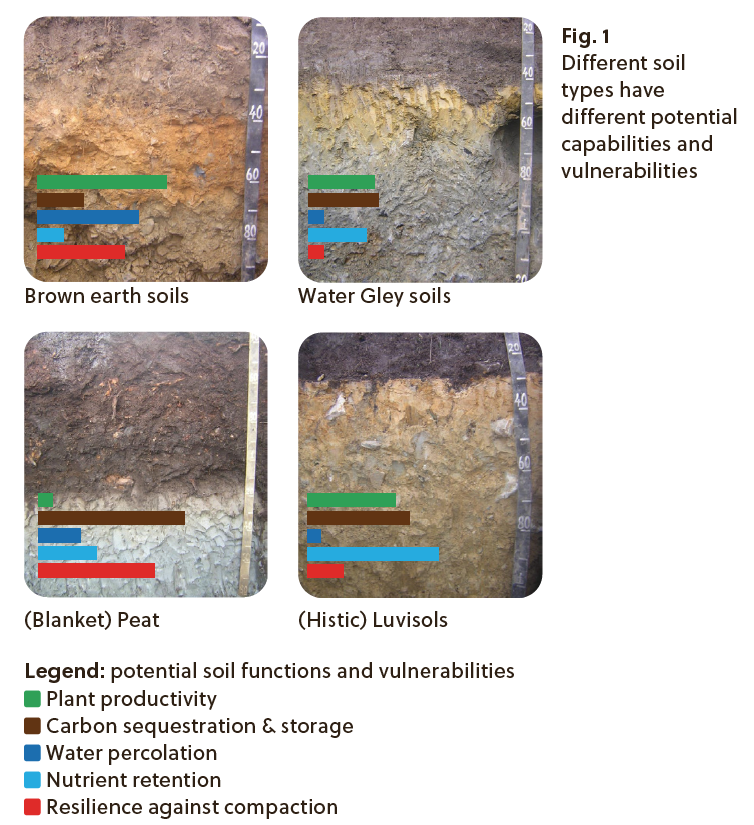
This has a major influence on how a soil behaves. Clay-rich soils can retain more nutrients, water and organic carbon, but may be slower to drain and more vulnerable to compaction. Sandy soils generally drain more freely and are more resilient to compaction, but have a lower capacity to retain water, nutrients and carbon. The important point is to manage the soil you have and play to its strengths.
Getting to know your soils
Getting to know your soil does not have to be complicated. Take a spade and look at what is happening below ground. A shallow soil pit of around 40–50cm can show changes in texture and other features through the soil profile. Orange or blue-grey mottling, for example, can indicate poor drainage or a fluctuating water table.
Think also about where the soil sits in the landscape, its slope, elevation, underlying bedrock and proximity to water. Local knowledge is valuable too. Knowing which fields are prone to flooding or where drainage systems have previously been installed can help explain how a soil behaves.
National soil, subsoil and bedrock maps can help identify the main soils likely to occur in an area. However, these maps are generally too coarse to capture all the variation at farm or field level, so they should be backed up by what you see on the ground.
There is no single ‘best’ soil and no single approach to managing it. Good soil management starts with knowing what you have, understanding its strengths and vulnerabilities, and managing it accordingly.
Teagasc Soil Health Week
Teagasc will host Soil Health Week from next Monday, 21 September to Friday, 25 September, highlighting the importance of healthy soils for sustainable agriculture, food production and the wider environment. Soil Health Week will bring together farmers, advisers, researchers, students and members of the public through a programme of farm walks, school events, practical demonstrations, workshops and online activities.