
Soil Health Week: Maintain balanced soil fertility
Good soil fertility is about more than applying fertiliser. The aim is to maintain the right balance of nutrients and soil pH to support crop production while making the most efficient use of both the soil nutrient reserves and applied nutrients, Dr. Veronica Nyhan, Teagasc Soil and Nutrition Specialist, tells us more.
Different soils also have different productive capacities. Some may be naturally shallow, poorly drained or acidic, while others have a greater capacity to retain and supply nutrients. Understanding these differences helps ensure that production targets and nutrient management are appropriate for the soil.
Regular soil testing is fundamental for good nutrient management. Moderately and intensively managed soils should be tested for pH and key nutrients such as phosphorus (P) and potassium (K), with testing every two years recommended for intensively managed soils.
Soil pH is central to maintaining fertility. Keeping pH at the optimum level helps make nutrients available to crops and supports biological processes such as mineralisation and nitrogen fixation. Lime should only be applied according to a recent soil test.
Using your soil results, target nutrients where they are needed following the 4Rs: the right product, at the right rate, in the right place and at the right time, increasing nutrient use efficiency while reducing the risk of losses.
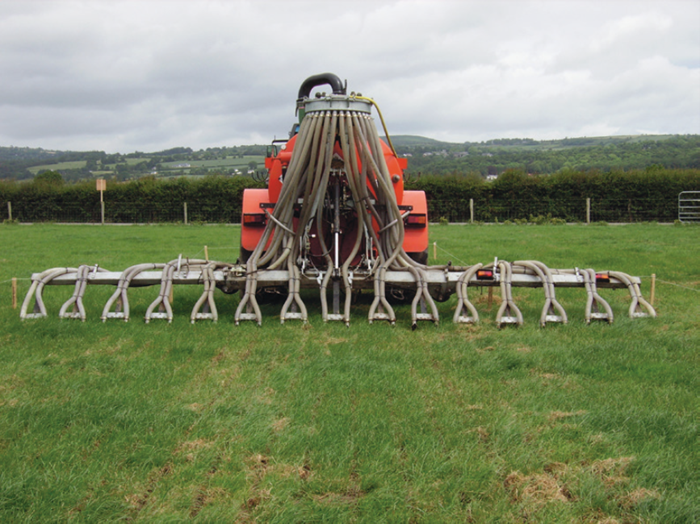
Organic manures, such as slurry and farmyard manure, are valuable nutrient sources and should be used to reduce reliance on chemical fertiliser where possible. Knowing their nutrient content allows them to be matched to soil test results and crop requirements, particularly on fields requiring P and K or where organic matter inputs are beneficial.
It is important to remember that more nutrients do not necessarily mean better soil fertility. Over-supplying individual nutrients can reduce efficiency, affect soil biology and increase the risk of losses to the environment. Only supply what the crop needs, taking account of nutrients supplied through processes such as nitrogen fixation and mineralisation, and replace nutrients removed at harvest.
Balanced soil fertility is about matching nutrient supply to what the soil and crop actually need, thus getting the greatest value from nutrients while maintaining productive soils for the future.
Teagasc Soil Health Week
Teagasc will host Soil Health Week from next Monday, 21 September to Friday, 25 September, highlighting the importance of healthy soils for sustainable agriculture, food production and the wider environment. Soil Health Week will bring together farmers, advisers, researchers, students and members of the public through a programme of farm walks, school events, practical demonstrations, workshops and online activities.