
Soil Health Week: Supporting the belowground farm workforce
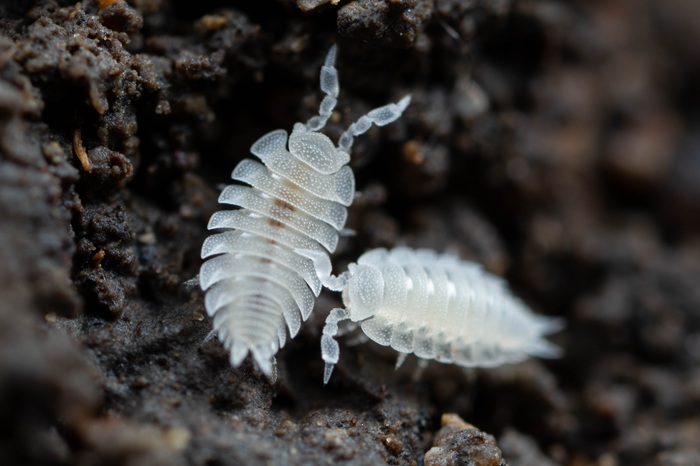
Soils are alive and home to almost 60% of all life on the planet. Beneath every field is a diverse community of organisms working together to support healthy crops, clean water and productive farming. Here, Dr. Fiona Brennan, Teagasc Soil Biology Research Officer, Johnstown Castle, explains why together, they form an essential part of the farm workforce.
Soil biodiversity includes an incredible array of organisms of different shapes, sizes and colours, including ground beetles, spiders, earthworms, nematodes, bacteria and fungi. Many important pollinators spend part of their life cycle in the soil. Together, these organisms drive nutrient cycling, improve soil structure, filter water and help store carbon.
Soil biology also plays an important role in crop health. Beneficial organisms can provide nutrients, vitamins and hormones that support plant growth. Many act as natural enemies of pests and diseases, helping to protect crops and reduce reliance on chemical controls. A diverse soil community can also make soils more resilient to drought, flooding and other environmental stresses.
Healthy soil biology depends on healthy soils. Good soil structure provides the spaces, air and moisture needed by soil organisms. Soil organic matter provides both food and habitat, while living roots release carbon-rich substances that feed microorganisms around the root zone. Keeping living roots in the soil for as long as possible is therefore one of the most effective ways to support soil life.
Actions to maintain and build soil biodiversity
A range of practical actions can help maintain and build soil biodiversity. Minimising soil disturbance protects the habitats created by roots, fungi and soil-dwelling organisms. Maintaining soil organic matter through grassland establishment, cover crops, crop residues, farmyard manure and compost provides a regular supply of food and carbon.
Diverse cropping also supports a wider range of organisms. Grass-clover swards, multispecies swards, cover crops, intercrops and crop rotations provide different root systems and habitats, helping to support a broader soil food web. Maintaining farmland habitats such as hedgerows and field margins can further support beneficial insects and other organisms above and below the soil surface.
Nutrient management is important too. Organic fertilisers can provide carbon as well as nutrients, but all applications should be carefully matched to crop demand and soil requirements. Avoiding nutrient overload protects soil organisms, supports beneficial plant-microorganism partnerships and reduces the risk of nutrient losses to water. Reducing unnecessary chemical inputs can also help protect beneficial organisms, particularly where integrated pest management approaches can be used.
Getting to know the life in the soil is another useful step. Looking for earthworms, examining roots, observing soil structure and using simple soil health tests can all provide valuable information. Soil testing and field observations can help identify where compaction, low organic matter, poor drainage or excessive disturbance may be limiting soil biology.
The key message is simple: soil organisms are not separate from the farming system—they are a fundamental part of it. By protecting soil structure, maintaining organic matter, keeping living roots in the ground, diversifying crops and supporting farmland habitats, farmers can support this hidden workforce.
Teagasc Soil Health Week
Teagasc will host Soil Health Week from next Monday, 21 September to Friday, 25 September, highlighting the importance of healthy soils for sustainable agriculture, food production and the wider environment. Soil Health Week will bring together farmers, advisers, researchers, students and members of the public through a programme of farm walks, school events, practical demonstrations, workshops and online activities.