
Soil Health Week: Why Soil Organic Matter Matters for Healthy Resilient Soils
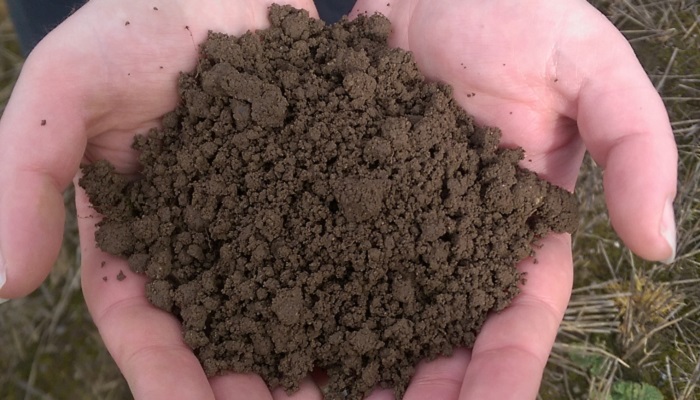
Soil organic matter (SOM) is one of the most important assets on any farm, writes Dr. Fiona Brennan, Teagasc Soil Biology Research Officer, Johnstown Castle. It plays a central role in how agricultural soils function, support productivity, resilience and clean water. The SOM includes the remains of plants, animals and microorganisms at different stages of decomposition, and the living biomass of soils – the soil biology.
Irish soils generally have good levels of SOM, which is a major strength of our farming systems. However, these reserves can be depleted where soils are repeatedly disturbed or compacted, left without living roots or where carbon removed through harvesting is not replaced. Rebuilding organic matter takes time, particularly in soils that are already rich in carbon. Protecting what is already there is therefore essential.
SOM can be thought of in several ways. It acts like a sponge, helping soils retain water while also improving infiltration and reducing run-off and erosion. SOM also acts like a glue, binding soil particles into stable aggregates and improving soil structure, helping to protect soil from compaction and erosion. It is also a store of nutrients, gradually releasing them for plant growth, while locking carbon into the soil and helping to reduce carbon losses to the atmosphere.
The fuel that feeds soil biology
SOM is also the fuel that feeds soil biology. It provides food and habitat for earthworms, fungi, bacteria and other organisms that drive the biological and chemical processes needed for healthy plant growth. A biologically active soil can cycle nutrients more effectively, support stronger crops and help suppress some soil-borne pests and diseases.
Healthy levels of organic matter improve soil resilience in many ways. Soils with good structure are more trafficable, less vulnerable to compaction and better able to cope with wet weather, drought and other extremes, which are becoming more frequent. They can hold a greater supply of water and nutrients, help buffer changes in soil pH and provide more favourable conditions for plant roots.
Protecting and building soil organic matter
The best way to protect and build soil organic matter is to keep living roots in the soil for as long as possible, while avoiding physical damage to the soil. Permanent grassland, grass-clover swards, multispecies swards, cover crops, intercrops and deep-rooting perennials all provide regular inputs of organic matter through root growth, root exudates and natural decay. Natural regeneration between crops can also help keep the soil covered and biologically active.
Organic materials returned to the soil are important too. Farmyard manure, compost, chopped straw and other suitable amendments can help replace carbon and nutrients removed during harvesting. This is particularly important on silage ground and in tillage systems where crops and straw are regularly taken off the farm.
Management decisions have a strong influence on long-term SOM levels. Minimising soil disturbance, avoiding compaction, maintaining soil cover and supporting soil biology can all help retain carbon in the soil. Protecting carbon-rich soils is important not only for soil health and food security, but also for climate resilience.
The key message is simple: building and protecting soil organic matter is an investment in the farm. It is the foundation of a living, productive and resilient soil. Protecting it today will help keep Irish soils fertile, workable and better able to support farming into the future.
Teagasc Soil Health Week
Teagasc will host Soil Health Week from next Monday, 21 September to Friday, 25 September, highlighting the importance of healthy soils for sustainable agriculture, food production and the wider environment. Soil Health Week will bring together farmers, advisers, researchers, students and members of the public through a programme of farm walks, school events, practical demonstrations, workshops and online activities.