
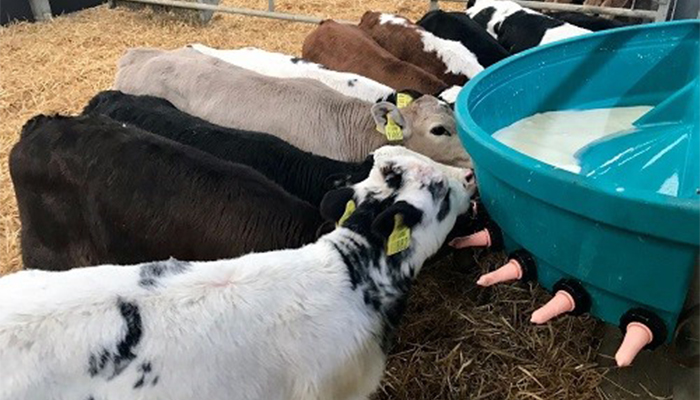
Autumn-born calves can slot in well to beef systems, but only if they’re the right calves to begin with, DairyBeef 500 Advisor, Tommy Cox shares some key advice.
Sourcing healthy, well-grown calves is one of the most important decisions in any calf-to-beef system. Whether calves are born in spring or autumn, their early health and growth has a significant impact on lifetime performance, profitability and animal welfare.
For autumn-born systems, particular care must be taken when sourcing calves due to both limited availability and the need for early thrive through winter housing. Farmers must not drop standards as poor calves often mean poor thrive, lower weight gains and, in some cases, losses. On the flip side, strong, healthy calves are far easier to manage and will finish quicker, helping to keep feed and housing costs under control.
Why Autumn calves?
Rearing a number of Autumn-born calves can be a good fit on many farms. They help spread the workload better across the year – especially if you’re already busy in the spring.
They also make better use of housing space that might otherwise be empty in the winter. And perhaps most importantly, they’re usually ready for slaughter before their second winter, which means one less winter’s worth of feed, bedding and time.
On the cashflow side, having animals to sell at different times a year is a bonus.
The sourcing challenge
The big challenge with autumn calves is simply finding them. Most dairy herds calve in the spring now – over 90% – so there just aren’t as many autumn-born calves around.
This makes it harder to find good, even batches of calves, especially if you’re trying to bring in a group all at once for easier management. Building relationships with a few good local dairy farmers who still calve cows in the autumn is often the best approach. Calves sourced directly from farms are usually under less stress and have had fewer disease risks compared to ones that go through marts or long journeys.
What to look for in a calf
Before you buy, take time to look over the calves yourself. A few simple checks can help you avoid trouble later on:
- Bright and alert, with a clean, damp nose and clear eyes
- No signs of scour, nasal or eye discharge, or any injuries
- Good, firm hooves – not soft or bulbous, showing they’ve been on their feet
- Dry, shrivelled navels, which means they’ve likely had proper navel care
- Steady breathing – avoid any calf that’s breathing fast or seems laboured
- Good rumen fill on older calves – avoid any that look hollow on the left side
Ideally, you want calves that are at least three weeks old, as they tend to have stronger immune systems and are better able to handle the move to a new farm.
What information should you ask for?
Even if the calves look good, it’s still important to ask a few questions about where they’ve come from:
- What vaccines have they had? And when were they given?
- What breed is the sire? – This gives a clue about how well they’ll finish.
- Any history of disease? – Especially things like scour, pneumonia, cryptosporidiosis or Johne’s
- What’s their feeding and colostrum history?
If you’re buying through an agent, be clear about the type of calf you want and ask where they’re coming from. Good agents will be happy to give this info.
Autumn-born calves can slot in well to beef systems, but only if they’re the right calves to begin with. Don’t be tempted to buy poor calves just because they’re available or cheap – they often end up costing more in the long run through losses, vet bills, or delays in finishing. On the other hand, however, paying over the odds for calves will leave farmers constantly on the back foot in achieving a desired margin.
For more tips and advice, visit the DairyBeef 500 webpage here.
More from Teagasc Daily: Dairy beef – the importance of drafting