
Spot hidden nutrient gaps before yield suffers
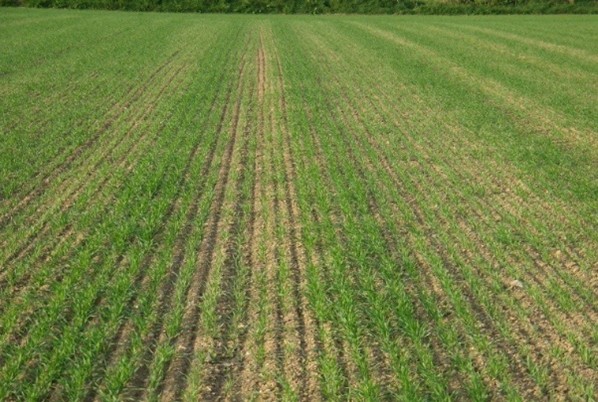
Keeping crops well fed isn’t just about nitrogen, phosphorus and potassium. Elements such as sulphur, magnesium and manganese, though required in smaller amounts, play a vital role in crop performance. Veronica Nyhan, Soil and Plant Nutrition Specialist, tells us more.
Overlooking these nutrients can quietly limit yield potential, particularly when fertiliser costs are high and every unit applied must deliver a return.
Sulphur (S) is increasingly important in modern systems, especially on light soils, continuous tillage rotations and fields with low organic matter. Deficiency can be subtle, appearing as a slight yellowing of the youngest leaves without necrosis. Applying 15–20 kg S/ha as part of a compound fertiliser between GS 28–31, ideally alongside nitrogen, is essential to maximise nitrogen use efficiency and overall yield response.
Magnesium (Mg) deficiency is less common but can arise on soils with low Mg levels (<50 mg/l), particularly where soil pH is high or potassium levels are elevated. Light soils, compaction and poor soil structure can further limit availability. Symptoms include interveinal chlorosis on older leaves and the characteristic “beading” of chlorophyll. Deficiency can often be temporary, appearing early in the season when root growth is restricted and easing as roots develop.
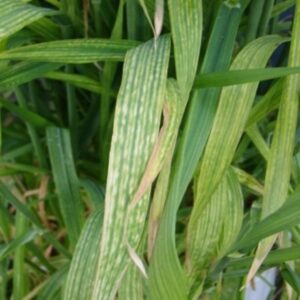
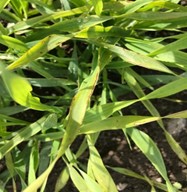
Magnesium Deficiency
Where liming is required, magnesium limestone is the most effective long-term solution. In soils not requiring lime, Mg can be maintained through Mg-containing fertilisers every 3–4 years. Where deficiencies occur in-season, magnesium sulphate (Epsom salts) or Mg chelates can be applied as a foliar spray. Magnesium sulphate is commonly used due to its low cost and added sulphur benefit.
Manganese (Mn) deficiency is one of the most widespread issues in cereals, particularly on high pH or recently limed soils. It is often triggered by soil conditions rather than total Mn levels, with dry weather, loose seedbeds and poor root contact increasing risk. Symptoms include pale green patches, interveinal chlorosis and uneven crop growth, with greener tramlines often a tell-tale sign.
Unlike other nutrients, soil-applied Mn is largely ineffective as it quickly becomes unavailable. Instead, management should focus on prevention through good seedbed consolidation and early intervention. Foliar applications of manganese sulphate or chelated Mn from GS 14 to 31 are the most reliable control, with repeat applications often required in high-risk situations. Early detection is key to avoiding yield penalties.
In a year where input costs are significant, balanced nutrition is critical to ensure crops can fully utilise applied fertilisers and reach their yield potential.
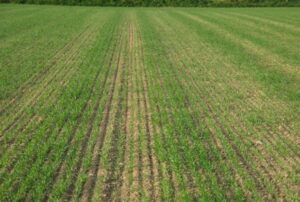
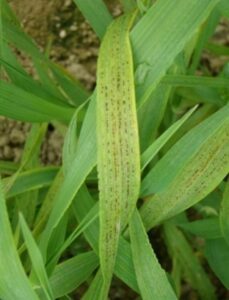
Manganese deficiency