
13 March 2025
Spring sowing: Mind the soil
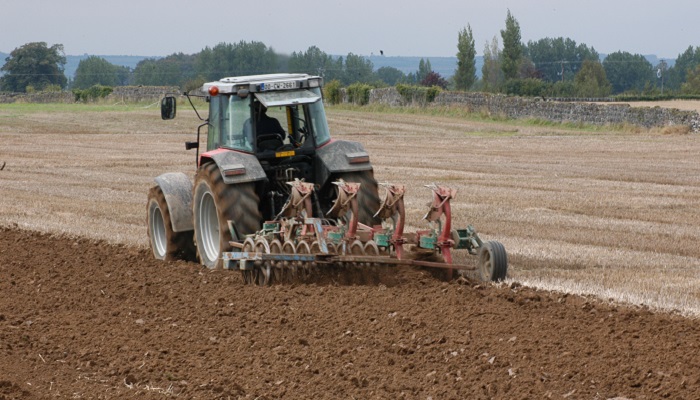
Mid-march is an ideal time for sowing most crops, so the current dry spell is giving an opportunity to get work done. Dermot Forristal, Teagasc Oak Park, shares key tips on protecting the soil and avoiding the risk of soil structure damage.
We must not be complacent about sowing date; 2024 was an extreme exception where late sowing did not have a big yield penalty. Where soil conditions allow, spring crops should be sown in March, and early March sowing will usually give higher yield potential.
But as we rush to get through the work with our modern high-capacity machines, it’s worth considering the risk of soil structure damage. We need to manage our soil carefully, making good decisions about when to work and drive on the soil.
Dry surface conditions may not indicate that the layers beneath are dry enough to support heavy machines. Use a spade to check the soil at depth. We also need to manage our machines in the field and we need to consider the soil whenever we change a machine or select a tyre. A few points to consider:
Equipment
- The continuing increase in machinery weight is posing a threat to our soils. Today, 160 -200hp tractors weighing 7 to 8t, working with mounted ploughs, cultivators and drills, are imposing rear axle loads in excess of 8t on the soil at headlands. In the case of 250-300hp tractors with folding 6m sowing units, this can be in excess of a 12t load.
- These loads are capable of causing lots of damage down through the soil profile and, while subsequent surface tillage can give us good initial crop establishment, soil structure damage beneath the tilled layer can impede drainage, root growth and access to nutrients, resulting in yield loss.
- Tyres, dual wheels (and even tracks) must be sized to reduce the stress on the soil; larger tyres can carry loads at lower inflation pressures and exert lower ground pressures. We should have tyres big enough to carry their load at 0.8 bar (12psi) pressure when working on cultivated soil. That wasn’t difficult to achieve with 6t axle loads, but with 8-12t loads, very large and expensive tyres are needed.
- The use of newer technology tyres, which have more flexible sidewalls such as VF- rated tyres, allow a 40% decrease in pressure for a given load, by letting the tyre flatten to produce a longer contact patch.
- Large new technology (e.g. VF) tyres are very expensive, but if you choose the larger machine, you must match it with larger tyres.
- Trailed equipment, while less convenient in our fields, avoids the excessive soil loads on field headlands and should be considered for larger output machines.
Practice
- Not-ploughing or not-cultivating the headland until the rest of the field is sown can help protect the soil, as headland traffic is confined to relatively firm headlands which will be cultivated later. While this will slow down work-rate, requiring equipment to come back to each field twice (and risks sow date difference if you’re unlucky!), it is worth considering if your headlands were previously damaged, or are vulnerable due to soil type and slow drying.
- For subsequent seasons, consider changing the turning headlands if the field shape allows it.
- Manage and control all machine traffic. Plan work carefully to avoid excess traffic on fields. Place seed at convenient points and, if driving the sowing tractor to the seed trailer, try to avoid travelling to and from the trailer, with a heavy mounted drill combination raised, on cultivated ground. Sow to and from the trailer if practical.
- Where traffic is unavoidable through a tilled field, measure and establish a headland tramline position and drive precisely on that to minimise damage.
- If you are not already doing it, bring a spade to the field, dig to deeper than soil working depth and examine. Spend a bit of time practicing visual examination techniques such as VESS and DS soil assessments.