
09 December 2024
Start now for good calf immunity
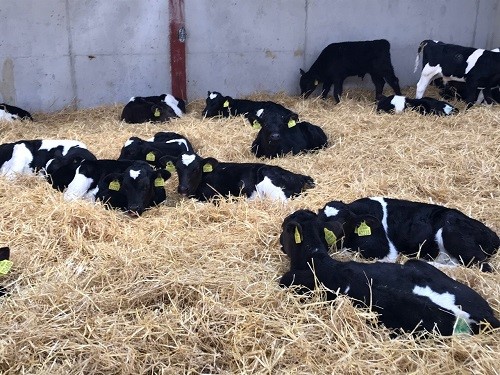
Calves are born without their own immunity and rely on the colostrum received from their dams to gain it. However, this process is fraught with risk. Dairy Specialist at Teagasc, Stuart Childs takes a closer looks at these risks and highlights actions farmers can take to avoid them.
Vaccinations
Vaccination against scour needs to take place in advance of calving, as the immunity is transferred via the colostrum. The scour vaccination programme should be completed at least three weeks ahead of calving, so plan to administer this vaccine in time to maximise its effectiveness.
There is also a new vaccine available against cryptosporidium, which requires a primary shot. This needs to be done sooner rather than later, so talk to your vet as soon as possible about the most appropriate vaccination policy for you herd.
Helena Madden, Ruminant Veterinary Manager with MSD Animal Health, joined Stuart Childs on a recent episode of the Dairy Edge podcast to discuss the new vaccine against cryptosporidium, Bovilis Cryptium.
Listen in below:
Poor-quality colostrum
Poor-quality colostrum can occur where pre-calving nutrition of the cow is below par. This can occur if silage quality is poor, which could be the case following the challenging growing season of 2024.
Testing your silage to know its Dry Matter Digestibility (DMD), its protein content and its intake capacity are important to establish if the pre-calving diet is adequate to deliver high-quality colostrum. If the diet is not adequate, it can be rectified reasonably quickly by the introduction of additional feed to increase energy intakes and protein in advance of calving.
Feeding a high quality pre-calver mineral will also contribute to colostrum quality.
Dr Aisling Claffey, Teagasc Ruminant Nutritionist, joined James Dunne on a recent Dairy Edge podcast to discuss nutrition over the dry period.
Listen in below:
Dirty calving pens and dirty cows
Dirt is the enemy of the newborn calf. Calves born into a dirty environment are at risk of consuming dirt, which can be absorbed in the stomach and lead to subsequent infection. Aim to keep calving areas well bedded to ensure that calves are born into as clean an environment as possible and remove calves from the calving area as quickly as possible to reduce their exposure to dung. The same is true of cows with dirty flanks and udders – these will be a source of contamination for the calf so remove the calf quickly to avoid them sucking the dirt on the cow.
Dirty colostrum utensils
Having removed the calf from a contaminated environment, it is important that the first feed of colostrum isn’t contaminated during the collection process. Ironically, the colostrum bucket can often be the most unhygienic bucket in the place. These, along with the bottles and stomach tubes that are used to feed newborn calves, need extra attention when washing. Put a plan in place that involves rinsing with cold water, washing with warm detergent solution, repeat rinsing, sterilisation and allowing for adequate drying time to ensure colostrum collection and colostrum feeding equipment aren’t a source of bacteria for newborn calves.
This information, along with other advice to prepare for the calving season ahead, was discussed at length as part of recent DairyBeef 500 webinar. You can watch a recording of the webinar below: