
Steps to protect water quality
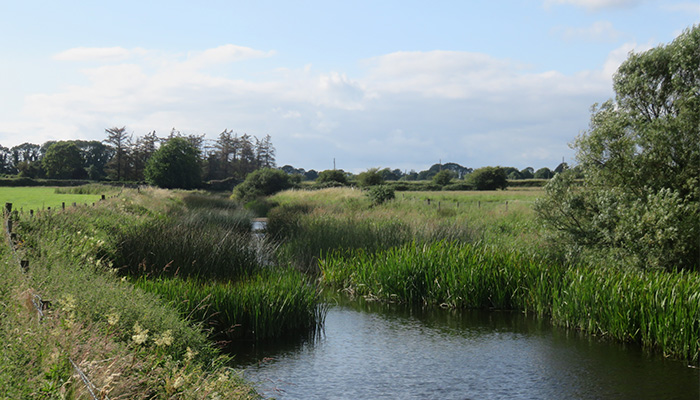
Each year we are seeing greater focus on the importance of farming for water quality. How we farm is critical to maintaining good water quality. Sinéad Devaney, ASSAP Advisor, Teagasc Galway/Clare discusses key regulations and practical steps to protect our waters.
We have much regulation around water quality at EU and National level. These include the Nitrates Directive, the EU (Good Agricultural Practice for Protection of Waters) Regulations (or GAP regulations) and the 6th Nitrates Action Programme which came into effect on the 1st January 2026 and runs for three years.
The Environmental Protection Agency (EPA), as an environmental regulator, is responsible for protecting, improving and restoring water quality in Ireland. In October 2025 the EPA published its flagship Water Quality in Ireland Report 2019-2024. The report is the latest 3-yearly assessment of the quality of Ireland’s rivers, lakes, estuaries, coastal waters, canals and groundwaters.
There are many pressures that affect the quality of our water in our waterbodies. The report shows that, despite improvements in some areas, water quality in Ireland is not as good as it should be and is continuing to decline overall.
- Just over half, 52%, of our surface waters are in satisfactory ecological condition, which is a deterioration from the previous assessment for 2016-2021, where 54% of surface waterbodies met their water quality objectives.
- Excess nutrients from agriculture, urban wastewater and other human activities remains the biggest challenge, followed by changes to physical habitat conditions.
- There is evidence that nutrient levels are reducing in areas where actions are being targeted, which is very welcome. The scale and pace of implementation need to be increased.
- At the current level of progress, Ireland will fail to meet the EU and national goal of restoring all waters to good or better status by 2027.
Pressures affecting water quality
Agriculture is one of the pressures affecting water quality and is considered to be the most significant pressure mainly because it is the country’s dominant land use, covering approximately 70% of the national land area. Agriculture can cause causes nutrient pollution through nitrogen and phosphorus loss, organic pollution, and sediment runoff. Key issues include slurry application, fertiliser, pesticides, and livestock accessing watercourses. Other key pressures affecting water quality include, untreated urban wastewater discharges, and physical alterations (hydromorphology) like dredging or straightening of rivers, forestry, industrial waste, and domestic waste water.
What can be done right now
There are steps that can be taken on farm to ensure we are not contributing to lowering water quality in our area.
As it is now open season for slurry spreading farmers must be mindful that land spreading activity is conditional on weather and ground conditions being suitable. Livestock manures should not be applied to land when it is waterlogged, flooded or likely to flood, frozen or if heavy rain is forecast within 48 hours or the ground slopes steeply and there is a risk of water pollution. This best practice is not just good advice, it is part of the regulations. Slurry cannot be applied by an upward-facing splash-plate or applied from a road or farm-road onto land.
To prevent waters from being polluted by nitrogen and phosphorus, the regulations require that you must adhere to a buffer zone of 10m alongside a waterbody (stream or open surface drain) in the last 2 weeks of January if spreading slurry or farmyard manure at that time. From February to the end of August the buffer zone is 5m. The buffer zones are there to protect watercourses from run-off of nutrients from the land into water. Low emission slurry spreading must be used for spreading all slurry on farms stocked at 100kgs organic N/ha or above. Next month when chemical fertiliser spreading resumes remember there is a 3m buffer zone for spreading it near watercourses.
Animals drinking from watercourses are also contributing to nutrient and sediment loss into watercourses. Farmers wishing to fence watercourses off can avail of TAMS grant aid to fund fencing and install solar powered pumps and nose-pumps for extracting water to troughs.
Farming for Water EIP
The Farming for Water EIP provides funding to implement a range of measures designed to help improve water quality, such as stream fencing, alternative water supply, nose pumps, solar pumps, fenced margins, riparian buffer zones, hedge and tree planting, for farms within Priority Areas for Action. Measures include completing a rainwater management plan, a farmer training course and a Nutrient Management Plan. This grant aid is targeted to specific Priority Areas for Action (PAAs).