
13 November 2023
Stop grazing in time for spring
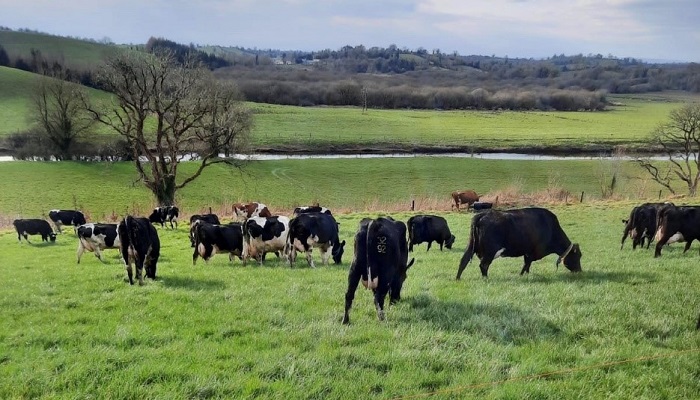
With reduced milk prices and tight feed stocks on some farms this autumn, it might be tempting to ‘shorten the winter’ by grazing on a bit longer if ground conditions allow. However, this is usually a false economy.
The main priority for all farm types is to have lots of grass next spring and cows out grazing early (in an average spring, it is worth close to €300 per day for 100 cows). This sets up the cows and the swards for reaching their potential through the next grazing season.
When should you stop grazing and house cows and stock for the winter period? The average farm cover (AFC) targets are shown in Table 1. Use them to take the guesswork out of housing stock. Know the one that’s one too many – don’t be tempted to graze the next paddock to the detriment of next year’s cow performance. Stick to these targets and you will reap the benefit when spring comes. Table 1 shows the AFC targets for December 1 for various stocking rates. It also highlights where the AFC should be on November 15 to reach the December 1 target.
Table 1: AFC targets for December 1
| Stocking rate (LU/ha) | AFC on November 15 (kg DM/ha) | Closing AFC December 1 (kg DM/ha) |
|---|---|---|
| 2.5 | 500 | 650 |
| 3.0 | 550 | 700 |
| 3.5 | 600 | 750 |
Top five tips for November
- Good hygiene when drying off cows, and clean cubicle beds, after drying are crucial. Examine records carefully (especially the last milking recording) to identify cows suitable for selective therapy. Speak to your vet about this.
- Give thin cows an extra three to four weeks dry to recover condition before calving next spring. Cows under body condition score (BCS) 2.75 should be dried off by mid-November if calving in February.
- Test your silage for quality and mineral content. It will help you make much better winter management decisions.
- Weigh your heifers at housing to track daily gain on silage. The target is 18-20kg per month.
- A lot has changed for dairy farmers in 2023. Take some time to review the direction of your operation for 2024 and beyond. The Teagasc Dairy Conference on November 29 will discuss the main issues.
This article first appeared in the Teagasc Dairy Advisory newsletter for November, which was edited by Joe Patton, Head of Dairy Knowledge Transfer. Access the full publication here.
Also read: Solar energy opportunities for dairy farms
Also read: Assessing silage quantity and quality