
Straw: to chop or not? Practical considerations for your farm
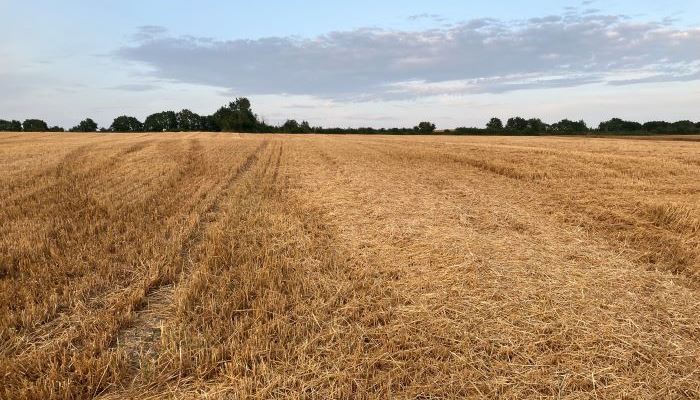
With the dry hot weather, harvest 2026 has started earlier than expected. Many winter barley growers have rows of golden straw ready for baling with no immediate panic on getting them baled and collected. But what about the remaining crops in a few weeks’ time; will the weather hold dry? Will there be buyers for this year’s straw? Are there alternatives to baling which make financial sense? John Mahon, Teagasc Signpost Tillage Programme Advisor, tells us more.
Many tillage farmers have built up long-term relationships with loyal local neighbouring farmers to buy their straw each year, particularly barley straw. But what are the prospects for lesser used and wanted straw, especially wheaten, oaten, rye and oilseed rape straw?
Chopping and incorporating a portion of this straw at harvest is a small change in system that can bring about real benefits at farm level and should be considered. Instead of baling the straw, these may be chopped and spread across the stubble with a combine equipped with a straw chopper and subsequently mixed into the soil using shallow cultivation or a straw rake.
Why do it?
- Build soil health: Returning straw adds organic matter and carbon to the soil. Better organic matter improves structure, water-holding, and biological activity (worms and microbes), which helps crop yields over time.
- Recycle nutrients: Straw contains most of the crop’s potassium (K) and a small share of phosphorus (P). Returning it can cut your fertiliser bill and keep nutrients on the farm (See table below).
- Better crop biosecurity: No baling means fewer seeds and weed material moving on balers and trailers, reducing the risk of bringing in weed or herbicide‑resistant seed.
- Time and labour savings: You save handling and storage time at harvest with no clearing of fields to worry about, particularly useful for part time tillage farmers.
- It facilitates earlier planting of cover crops which is essential for decent biomass production and mopping up nutrients over the winter period.
- Climate benefits: Adding carbon to soil can lower net greenhouse gas emissions from cropping. Estimates suggest straw incorporation can result in increased storage of soil carbon of approximately 1 t CO2-eq/ha/yr in some systems — helping move towards lower and zero carbon grain.
- Financial support: The Straw Incorporation Measure (SIM) supports Irish farmers.
- Apply by 15 May each year through the BISS application.
- Eligible crops include wheat, barley, oats, rye and oilseed rape.
- Eligible area per farm: 5 – 40 ha.Payments: €250/ha for cereals; €150/ha for oilseed rape.
- Reportedly 73,000 ha applied for the SIM in 2026, which equates to 26% of the eligible straw area. The Marginal Abatement Cost Curve (MACC) has a target of 85,000 ha of straw to be incorporated by 2030, so we are well under way to reaching our national target.
- It changes the mindset of tillage farmers on the value of straw. It allows farmers to make a more informed decision on what makes the most financial sense for the farm, to chop and reap the benefits outlined above or to bale in the hope of selling above breakeven cost of production.
Value of nutrients in straw
| Crop type | Crop yield
ton/ha |
P
kn/ha |
K
kg/ha |
Value
€/ha |
| Spring barley | 7.5 | 3 | 50 | 64 |
| Winter barley | 10 | 4 | 51 | 68 |
| Winter wheat | 11 | 4.4 | 56 | 75 |
| Winter oats | 9 | 3.6 | 87 | 106 |
| OSR | 5 | 2.4 | 27 | 37 |
Values for P and K based on July 2026 figures. P €3.31/kg. K €1.08/kg.
Other practical considerations
- Straw is high in carbon (high C:N ratio). As microbes break it down, they use soil nitrogen, which can temporarily “tie up” N. Plan fertiliser for the spring crop, consider a higher starter N or split N applications going slightly earlier to avoid poor establishment.
- The fertiliser value helps offset costs, but don’t forget the cost of chopping and incorporation when you calculate the balance.
- Consider rotational chopping across the farm of the lowest value straw to allow soil biology enough time to breakdown and release the nutritional value.
- Worn, compacted and damaged soils will benefit most from straw chopping and incorporation along with organic manure applications, but don’t forget these will be the slowest to breakdown the organic matter due to low biological activity.
- Chop and incorporate as soon after harvest as soil conditions allow. Early incorporation gives microbes and worms time to work before winter.
- Equipment: ensure your combine has a working straw chopper or knife mill that spreads evenly across the header width, to allow for even incorporation and to avoid pest problems such as slugs going into the winter.
- Incorporation options: tine cultivators or disc harrows for shallow mixing; straw rakes for non‑inversion incorporation. Don’t plough straw deep — it slows breakdown and isn’t allowed for SIM.
- Keep records: fields treated, dates, method used and following crop results.
- Measure success by monitoring crop establishment, yields and soil tests for organic matter and P & K where straw is and isn’t incorporated.
Done right, chopping and incorporating straw can improve soil, cut costs and make your tillage system more resilient.