
Suckler weaning: 7 steps to reduce stress and protect calf performance
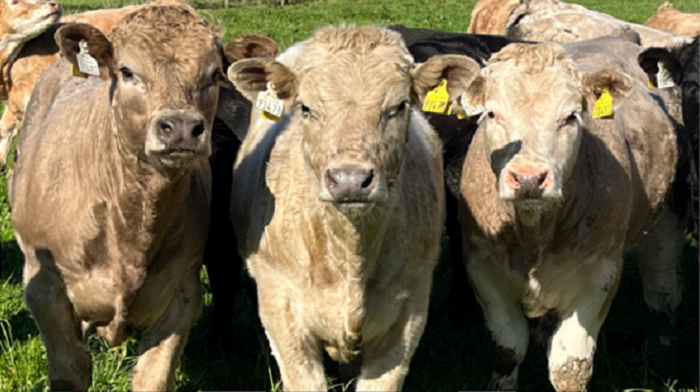
With weaning fast approaching, Aisling Molloy, Future Beef Programme Advisor, shares essential reading for farmers to reduce stress and protect calf performance over the coming weeks.
Weaning is one of the biggest stress points in the suckler calf’s year. Planning vaccination, creep feeding, castration and separation in advance can help minimise the setback and keep calves growing. For suckler farmers, weaning is fast approaching, but the work to make it a success should already be underway.
Weaning is an unavoidable stress for the calf, but poor timing and management can add further stressors and lead to a drop in performance. The key message is simple: don’t stack stress on stress.
1). Get the vaccination programme right
Vaccination should be planned well ahead of weaning. Some vaccination programmes, including two-shot clostridial and pneumonia programmes, can take up to six weeks to complete.
The aim should be to have calves appropriately vaccinated before the major stress of weaning occurs. Avoid leaving vaccination until calves are being weaned, housed or transported.
Farmers should work with their vet to develop an appropriate vaccination programme for their farm, particularly where there is a history of pneumonia. A simple programme being used on Future Beef farms is a single shot vaccine against IBR and two shots against RSV, Pi3 and Mannheimia, which are administered four weeks apart. They should start six weeks pre-weaning to deliver adequate immunity.
2). Have you weighed your cows and calves for SCEP and applied for the National Beef Welfare Scheme?
Suckler cows and calves must be weighed pre-weaning on the same day to qualify for the Suckler Carbon Efficiency Programme (SCEP) payment.
There is up to €75/calf available this year through the National Beef Welfare Scheme for meal feeding, vaccinating and forage testing/FEC sampling so apply on agfood.ie by 23rd September 2026 to avoid missing out on this.
3). Get calves eating ration before weaning
Creep feed should be introduced approximately four weeks before weaning. This allows calves time to become familiar with the feed and helps ease the dietary transition when they lose access to the cow.
The target is to have calves eating approximately 1kg of creep feed per head per day before weaning. Following weaning, this can be increased to 2kg per head per day depending on calf type and the farm’s feeding system. Grass availability and a good plane of nutrition are equally important.
4). Don’t leave castration until weaning
Castration should be treated as a separate management event rather than something to do as part of weaning.
Ideally, male calves should be castrated at least four weeks before weaning. Alternatively, it can be carried out approximately two weeks after housing, once calves have had time to settle.
Castrating calves close to weaning adds another significant stress at exactly the wrong time.
Where castration is being carried out, the appropriate clostridial vaccination programme must also be considered. Avoid giving clostridial vaccine alongside another vaccine because of the additional demand placed on the immune system.
Farmers must also follow the legal requirements governing the age and method of castration. For example, rubber-ring castration without anaesthesia is permitted only during the first eight days of life, while Burdizzo castration without anaesthesia is permitted up to six months. Castration of cattle over six months must be carried out by a veterinary practitioner using local anaesthesia.
5). Make the weaning method as low-stress as possible
There are several options available to farmers. Gradual separation can help reduce the strength of the cow-calf bond.
Where practical, fence-line weaning, forward creep grazing and visual barriers such as hedges can all help.
One gradual approach is to remove approximately 25-33% of the cows initially, followed by a further 25% every three to four days until all calves are weaned.
Whatever method is used, quiet handling and good access to feed and water are essential.
6). Check parasite status and dose accordingly
Parasite control should form part of the overall weaning plan. Monitor calves for signs such as coughing or scour and use faecal egg counts where appropriate. Lungworm is a particular concern following the rain after the dry spell.
7). Pick your timing carefully
Weather conditions can make a difference. Where possible, plan weaning for a period of settled weather to minimise environmental stress and respiratory disease risk.
The fewer major changes that happen together, the better.
Before weaning day arrives, ask yourself:
- Are calves eating creep feed?
- Is the vaccination programme complete?
- Has castration been carried out early enough?
- Are calves on a good plane of nutrition?
- Have parasite risks been assessed?
- Are handling and housing facilities ready?
- Is the weather suitable?
- What is the plan for calves immediately after weaning?
Future Beef Webinar
With a little planning now, farmers can reduce the stress associated with weaning and give calves the best possible start to the next stage of their production system. Tune in to our Future Beef Weaning Webinar on Wednesday, September 9 to hear more practical tips from Michael Biggins, Future Beef farmer in Co. Mayo, Dr. Bernie Earley, a researcher at Teagasc Grange, and Conor Geraghty a vet from FarmGate Veterinary Group.

Hear how to:
- Reduce stress at weaning and keep calves thriving
- Plan vaccination and reduce the risk of pneumonia
- Get castration timing right
- Make informed decisions on parasite control and dosing
- Introduce concentrates and prepare weanlings for sale
To register for the Future Beef webinar on Maximising Profit from Weanlings, visit here.
For more information on the Teagasc Future Beef Programme, visit here.