
Take part in the MARCS project – tackling anthelmintic resistance in cattle
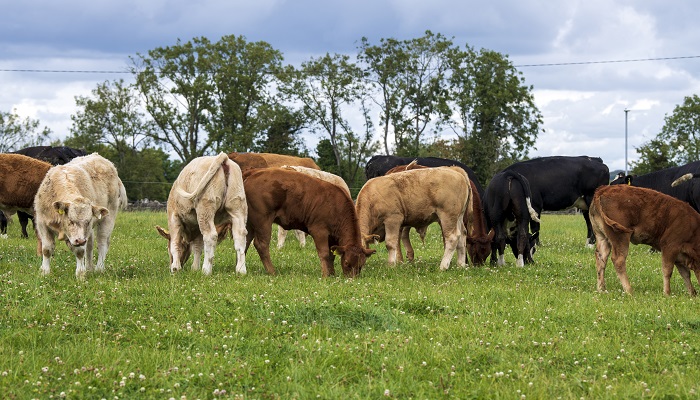
Want to know if anthelmintic resistance is present on your farm? Take part in the MARCS Project to check how well your wormers are working and get practical advice to improve parasite control. Sorcha Clark explains how you can get involved.
Is your wormer still working?
Anthelmintic resistance is on the rise in Irish cattle farming and can affect:
- Animal health
- Farm productivity
- Future worming treatment options
Get involved in the MARCS Project and receive a free faecal egg count reduction test as part of your participation.
Managing anthelmintic resistance in cattle sustainably
The MARCS Project (Managing Anthelmintic Resistance in Cattle) is working with farmers to better understand how resistance develops and how it can be managed effectively on farm. The project focuses on practical, science-based approaches including appropriate dosing, targeted treatments, and improved grazing management.
Irish grazing systems mean cattle are constantly exposed to gut worms. Over time, wormers can become less effective due to resistance, and the only way to know for sure is to test.
The project aims to:
- Measure wormer resistance on Irish farms
- Identify risk factors driving resistance
- Support sustainable parasite control strategies

What’s involved?
To carry out a Faecal Egg Count Reduction Test, participating farmers are asked to:
- Select 15 calves
- Collect dung samples from these calves 15 days before worming and again 10–14 days after worming
- Ensure each sample is correctly matched to the correct animal
Sampling packs will be provided and returned through your nearest Teagasc office.
How to participate
Participation in the MARCS Project is free of charge. Farmers who take part will receive a free faecal egg count reduction test, providing valuable insight into the effectiveness of their current anthelmintic programme and helping to identify any resistance issues present. The MARCS Project is open to cattle farmers and vets.
By getting involved, farmers can access tailored advice, contribute to ongoing research, and make more informed decisions around parasite control. This supports improved herd performance and the long-term sustainability of farming systems.
Anthelmintic resistance is a national concern, and addressing it requires a coordinated approach. The MARCS Project offers a practical opportunity for farmers to take proactive steps in safeguarding the effectiveness of treatments for the future.
To learn more and get involved in the MARCS project click here, or email marcsparasitology@gmail.com