
19 January 2023
Taking a Silage Sample
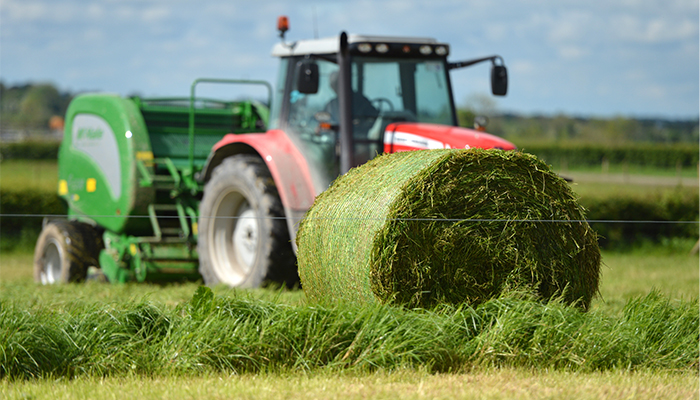
Silage sampling for a laboratory analysis is recommended to get a more detailed report on the nutritional value of silage, Eamonn Dempsey, Teagasc Advisor, tells us more.
Samples should not be taken until at least 5 to 6 weeks after ensiling and is essential to give the farmer an indication of feed quality so the animals overall diet can be formulated. The biggest error in forage analysis is improper sampling methods which will affect diet formulation and therefore animal performance. A representative sample of forage needs to be taken from every silage batch to reflect the variation in forage quality that occurs across your fields and during harvesting. To get an assessment of the overall silage pit, core samples are taken, at least 3 full depth samples from the top of the clamp.
Failure in sampling the full depth of the silage pit will not yield a representative sample, Fermentation profiles within the silage pit will vary, the bottom of the silage pit is the most compacted and at most risk of producing an acetic acid fermentation and have a lower dry matter, while the sides and top of the pit are most at risk of aerobic fermentation. To get an analysis of what the animals are actually eating now, take a sample from the face of the clamp. If there are areas of the face of the pit which are mouldy or damaged in any way, this material should not be included in the sample for sending to the laboratory. Take samples 6 to 9 inches into the face of the clamp in a W pattern so that each sample is taken from a different horizontal and vertical position, then thoroughly mix in preparation for analysis. If taking samples from round bales, take one sample every 5 to 10 bales using a corer. Mix the sample on a clean board and divide into 0.5 kg samples and place into a clean plastic bag. Samples can be stored in a fridge until posting to the laboratory. Try to avoid posting samples on a Friday as the sample will spend the weekend in transit and may deteriorate.
If you wish to carry out a quick assessment while waiting for your laboratory results, silage can be analysed by visual assessment. A yellow green colour silage along with a sweet fruity smell is an indicator of excellent preservation. While silage with a dark brown colour and acidic type smell indicates poor preservation. Also look at the proportion of leaf to stem, if you have around 70% leaf and 30% stem then the DMD of that silage will be around 70% to 72%. Be informed of the ideal nutritional values of silage and compare with your own silage analysis. This comparison will allow you to formulate a diet with the correct level of concentrate to be fed with the analysed silage. If your silage analysis compares poorly, discuss silage management from field selection, fertiliser application and harvesting with your advisor to implement changes in the year ahead.